Table of Contents
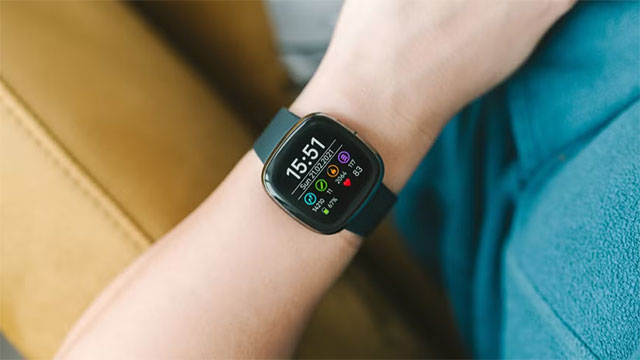
Smartwatches don't just count steps or measure your heart rate, they also collect a lot of sensitive data like your health, location, and habits.
Smartwatches, although not creating the big push that many people expected, now millions of people around the world are wearing them every day. These devices bring many health benefits, possess a series of useful features and help users better understand their lifestyle and body. However, along with that comes significant concerns about privacy.
Nowadays, smartwatches do more than just count steps or measure heart rate. They are equipped with a series of 'fancy' sensors: measuring blood oxygen levels, monitoring sleep, stress levels, skin temperature, movement. There are also Bluetooth, Wi-Fi, GPS.
Technologically, that's great. But the question is: How sensitive is this data, and how is it shared?
A study by the US Department of Health (2024) shows that smartwatches collect data from both healthy and sick people, opening up unprecedented opportunities for medical research. But it also raises numerous ethical and privacy issues. Users have little control over where their data goes and what it is used for.
Share data you don't see
Information from the watch doesn't just stay on the connected device or smartphone. Much of it is backed up to the cloud, often hidden in lengthy terms that few people read.
One big problem is that health data from smartwatches is often not covered by HIPAA (US health privacy law), which means the data can be sold to third parties, or exploited unintentionally.
Mozilla has published research warning that current laws have not kept up with the pace of wearable device development, leaving user data vulnerable to abuse.
Additionally, even with GPS turned off, the watch can still record your location via surrounding Bluetooth or Wi-Fi devices. This data can completely reconstruct your travel schedule.
There was even a murder case in the US that was solved thanks to data from the victim's Fitbit - proving that this information is no longer theoretical, but has actually been used in practice.
According to a study by Brown University, personal health data can be sold to advertisers without the user's knowledge. Even if the main platform is secure, the data buyer may not be. When data is considered a 'commodity', there is always the risk of exploitation, leakage or re-identification.

What can we do?
But if you really want to use a smartwatch but are concerned about privacy, do the following:
- Check the terms of service carefully regarding health and location data.
- Restrict app access to only what is really necessary.
- Be careful when connecting your smartwatch to other platforms, to avoid accidentally sharing your activity publicly.
In other words, smartwatches are convenient, but they are also literal 'personal data collection machines'. And until the law catches up, you have to be the first to protect yourself.
FAQ
What should you know about how are smartwatches 'tracking' you?
In practical terms, smartwatches don't just count steps or measure your heart rate, they also collect a lot of sensitive data like your health, location, and habits.
Why does how are smartwatches 'tracking' you matter?
The article highlights that nowadays, smartwatches do more than just count steps or measure heart rate.
What is the main takeaway?
The main takeaway is that a study by the US Department of Health (2024) shows that smartwatches collect data from both healthy and sick people, opening up unprecedented opportunities for medical research.
Related Articles
 What Makes Hybrid Smartwatches So Popular These Days?7 minutes read
 The Best Smartwatches of 202611 minutes read
 Can Smartwatches Be Hacked?8 minutes read
 How to Track Pixel Tracking Your Email and How to Block Them8 minutes read
 Tracking Email and Privacy Infringement -- Old Problems That Are14 minutes read
 Tracking Position on Smartphone: 1 Benefit 10 Harm6 minutes read
Reader Comments 0
Sign in with email or Google to join the discussion.