Table of Contents
Protein keeps you healthy and full, while fiber aids digestion and heart health. Essentially, you need both, but which should you prioritize in your daily diet?
Protein keeps you healthy and full, while fiber aids digestion and heart health. Essentially, you need both, but which should you prioritize in your daily diet?
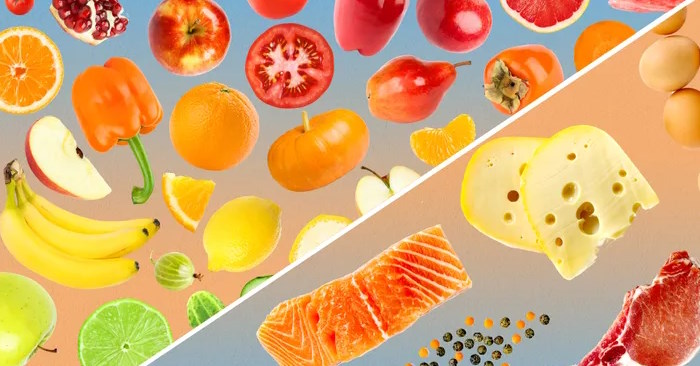
Why does protein need more attention?
Protein doesn't get all the attention for nothing. It's an important nutrient, especially when it comes to helping you feel full. Research shows that high-protein meals can boost satiety hormones and reduce subsequent calorie intake compared to lower-protein meals, which may explain why people consider protein a reliable appetite-control tool.
Protein is also important for maintaining muscle mass, especially as you age. Maintaining muscle mass supports strength, independence, and metabolic health over time. Research shows that evenly distributing about 25 to 30 grams of protein at each meal maximizes muscle protein synthesis, which can help reduce age-related muscle loss.
Other benefits of protein include neurotransmitter production, immune cell synthesis, and bone density maintenance. Protein is undoubtedly an important nutrient, but it is not the only one. It is important not only to get enough, but also to pay attention to how protein is distributed throughout the day and to choose sources that support overall health.
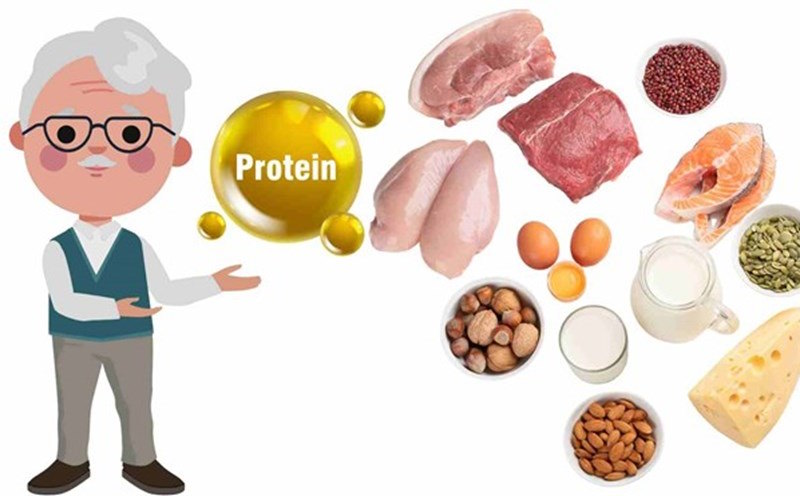
The Underrated "Power" of Fiber
Fiber may not be as flashy, but it still adds bulk to a meal. Like protein, it helps you feel full, although it works differently.
Fiber slows digestion, which can help prevent the sudden drops in blood sugar that cause cravings. Because fiber isn't completely broken down, it slows the spike in blood sugar after a meal and prolongs feelings of fullness. Research shows that increasing your soluble fiber intake can reduce cravings and calorie intake, supporting healthy weight management over time.
In addition to feeling full, fiber can support your long-term health in ways that protein can't. Soluble fiber helps lower cholesterol by binding to it in the digestive tract, while insoluble fiber adds bulk to stools and can promote regularity. Both types of fiber feed beneficial gut bacteria, which can influence immune function and help reduce inflammation.
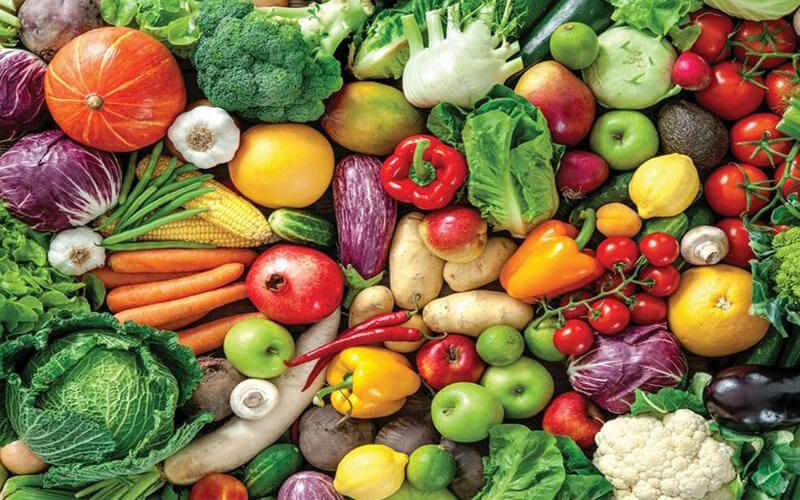
Is it really necessary to choose whether to prioritize fiber or protein in a meal?
The answer is no, not necessarily. These two essential nutrients are more 'partners' than 'competitors.' Protein helps maintain muscle and promotes satiety, while fiber supports digestion and heart health. Both are beneficial for health, and for an overall balanced diet, it's helpful to include both at every meal, without having to worry about which one is more important.
Tips for adding a balance of both protein and fiber to your meals
Start your day with protein. Try mixing Greek yogurt into your oatmeal or adding some eggs to your morning toast.
Add beans to meals. Mix them into dishes you're already eating, such as salads, soups, or pancakes, to add fiber and plant-based protein, Colin advises.
Choose whole grains. Replacing refined grains with whole grains like quinoa can add 3 to 5 grams of fiber per serving.
Combine the two. Foods like nuts, beans, and lentils contain both fiber and protein, so adding more of these sources can help meet both your fiber and protein needs.
Add it to a snack . Combine an apple with nut butter, roasted beans, or a handful of walnuts. Sprinkling chia seeds, flax seeds, and hemp seeds into foods like oatmeal, yogurt, or even on toast with nut butter can help increase your fiber intake.
FAQ
What should you know about should you prioritize fiber or protein in your diet?
In practical terms, protein keeps you healthy and full, while fiber aids digestion and heart health. Essentially, you need both, but which should you prioritize in your daily diet.
Why does should you prioritize fiber or protein in your diet matter?
The article highlights that essentially, you need both, but which should you prioritize in your daily diet.
What is the main takeaway?
The main takeaway is that is it really necessary to choose whether to prioritize fiber or protein in a meal.
Related Articles
 Adding a New Natural Protein in the Body Has Found That It Can Prevent Heart Attacks and Strokes4 minutes read
 Signs You're Getting Too Much Protein: Complete Guide5 minutes read
 What Is A2 Protein Milk: Explained5 minutes read
 What Diseases Can You Get If You Eat Too Much Protein?7 minutes read
 High-protein Diets Can Reduce Liver Fat2 minutes read
 The Best Protein - Rich Fish to Eat According to Nutritionists7 minutes read
Reader Comments 0
Sign in with email or Google to join the discussion.