Table of Contents
Which Nuts Contain the Most Protein is easier to approach with a clear overview and reliable steps. This guide organizes the essential information, highlights practical details, and explains what to check along the way.
Key Takeaways
- Review the most Protein-Rich nuts.
- Explore hemp seeds.
- Understand pumpkin seeds.
The Most Protein-Rich Nuts
Hemp Seeds
Hemp seeds have a mild, nutty flavor and come from the Cannabis sativa plant. Hemp seeds contain minimal amounts of THC, so they won't get you high or addicted, but they will provide you with a good amount of protein.
According to the United States Department of Agriculture (USDA), three tablespoons of hemp seeds have about 9.5 grams of protein and 166 calories. They are a complete protein, meaning they contain all nine essential amino acids that your body can't make on its own.
Research shows that hemp seeds are also rich in polyunsaturated fatty acids, including omega-3s, omega-6s, and vitamins E, D, and A, which provide antibacterial, antioxidant, and anti-inflammatory benefits.
Pumpkin Seeds
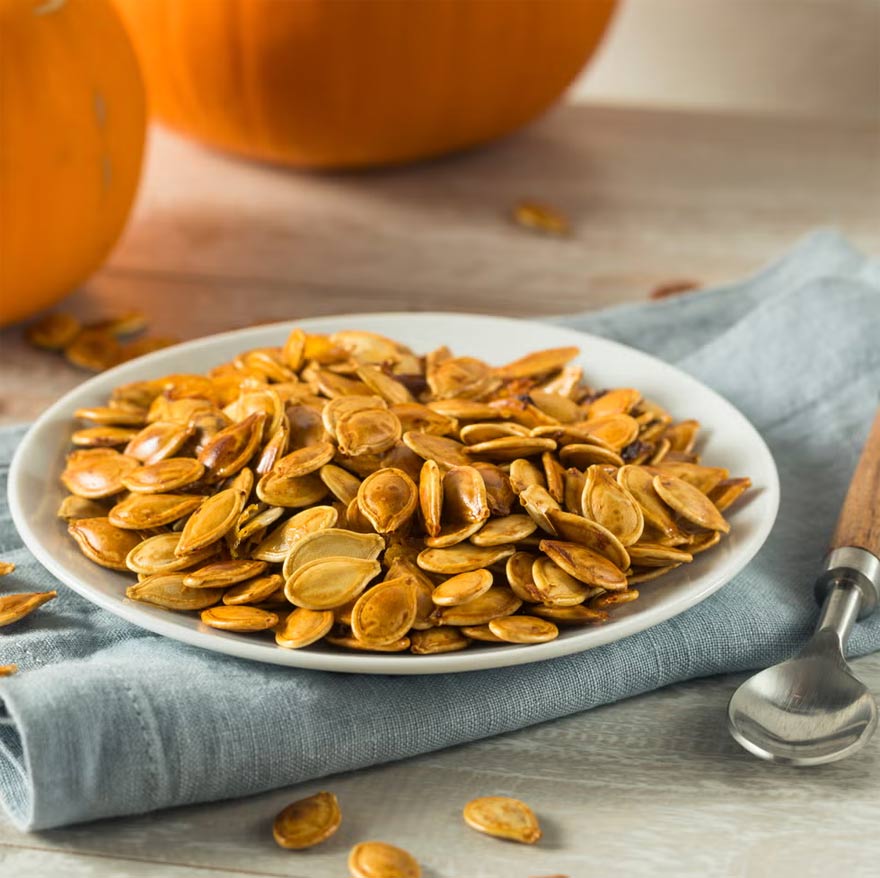
Also known as pepitas, pumpkin seeds have 8.6 grams of protein and 158 calories per ounce, according to the USDA. They're a good source of magnesium (which can help control blood pressure) & zinc (which can support your immune system). Some studies suggest that the plant compounds in the seeds even have anti-diabetic & anti-cancer properties.
Sunflower Seeds
These little seeds pack an impressive amount of protein: 5.5 grams per ounce (165 calories), according to the USDA. They're also rich in vitamin E, B vitamins, and minerals like copper. Sunflower seeds also contain magnesium and pantothenic acid, which have been shown to reduce the likelihood of muscle cramps.
Chia Seeds
Like hemp seeds, chia seeds contain all nine essential amino acids. Each ounce of chia seeds has 4.7 grams of protein and nearly 10 grams of fiber for 138 calories. According to Harvard Medical School, these tiny black seeds have been a part of the Central American diet for centuries.

Flaxseed
According to the USDA, just two tablespoons of ground flaxseeds will give you nearly 3 grams of protein. Flaxseeds contain omega-3 fatty acids and are full of antioxidants. They're also high in fiber, about 4 grams in two tablespoons, which helps relieve constipation, increase satiety, and maintain healthy cholesterol.
Sesame Seeds
You may know them best as little seeds sprinkled on hamburger buns or ground into a paste to make tahini, but sesame seeds are much more versatile. Try sprinkling them on stir-fries or avocado toast, or using them as a coating for chicken or fish before grilling. According to the USDA, one tablespoon contains about 1.6 grams of protein and 52 calories.
Sesame seeds also contain several vitamins and minerals, including selenium, which research suggests may reduce the risk of chronic diseases. According to a comprehensive review of research, the nutrients in sesame seeds have antioxidant, cholesterol-lowering, lipid-regulating, anti-inflammatory, and anti-tumor effects. Additionally, sesame seeds may protect the liver, kidneys, and cardiovascular system.
How Many Nuts Should You Eat?
Nuts can be part of a balanced diet and help achieve recommended amounts of healthy fats, fiber, protein, and micronutrients like iron, zinc, and calcium. Unless you have a food allergy or sensitivity, most people can eat nuts every day. The recommended amount of nuts is 1 to 2 tablespoons per day to get the most benefit from protein, healthy fats, and fiber.
Eating too many nuts—more than five or six tablespoons a day—can cause gas, bloating, or constipation. Be careful about how much you eat if you already have a sensitivity or bowel problem. Nuts are also high in calories, which can contribute to weight gain if you eat too many.
How to Add Nuts to Your Diet
Because the seeds are so small, they can be easily added to many dishes. You can sprinkle them on avocado toast, use ground flaxseed as an egg substitute when baking, or blend chia seeds into smoothies. Stir chia or flaxseed into overnight oats, sprinkle hemp seeds on yogurt or smoothies, or sprinkle other seeds on salads.
Final Thoughts
The most reliable way to handle which nuts contain the most protein is to follow the process in order, verify each important setting, and test the result before moving on. Use the guidance above as a practical reference, then adjust the details for your device, software version, or specific goal.
FAQ
What should I know first about Which Nuts Contain the Most Protein?
Nuts are a healthy source of vitamins and minerals.
How do I get the best results with Which Nuts Contain the Most Protein?
Use current software or equipment, follow the steps in order, review the recommended settings, and test one change at a time so you can identify what improves the result.
What should I do if Which Nuts Contain the Most Protein doesn't work as expected?
Check compatibility, permissions, connectivity, and version-specific settings. Restart the relevant device or app, then repeat the process carefully before trying a more advanced fix.
Related Articles
 How to Loosen Lug Nuts: Step-by-Step Guide14 minutes read
 Signs You're Getting Too Much Protein: Complete Guide5 minutes read
 What Is A2 Protein Milk: Explained5 minutes read
 How to Grow Macadamia Nuts: Step-by-Step Guide12 minutes read
 What Diseases Can You Get If You Eat Too Much Protein?7 minutes read
 The Best Protein - Rich Fish to Eat According to Nutritionists7 minutes read
Reader Comments 0
Sign in with email or Google to join the discussion.