Table of Contents
A2 protein milk is becoming more and more popular. However, does A2 protein milk really make the difference as advertised?
A2 protein milk is becoming more and more popular. However, does A2 protein milk really make the difference as advertised? Let's find out together what A2 protein milk is!
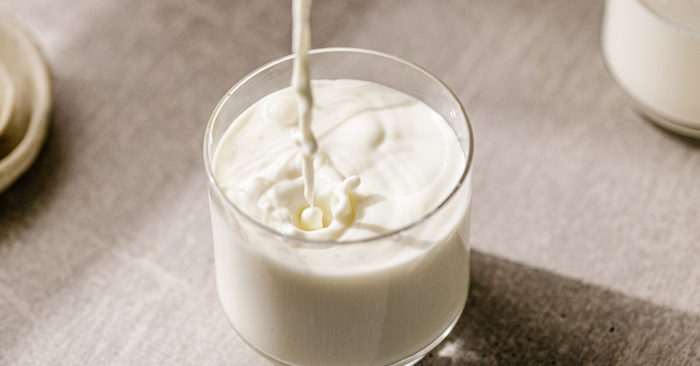
At first glance, A2 milk looks exactly like regular milk, with a creamy texture and familiar taste. But underneath, there is a key difference that can affect how your body processes it. For some people, it can make a big difference in terms of digestion.
How is A2 protein milk different from regular milk?
Although milk contains many types of protein, casein is predominant. Of these, there are two types of beta-casein: A1 and A2.
' A2 milk is cow's milk that contains only the A2 beta-casein protein, rather than the mix of A1 and A2 proteins commonly found in conventional milk ,' explains food scientist Veronique Lagrange, MSc, PhD, director of the California Milk Innovation Center.
She adds that this difference lies in the cow's genes. " Some breeds like Guernsey and Jersey naturally produce more A2 protein, while Holstein and Friesian cows (common in the US) tend to produce more A1 protein. "
A2 milk is created by selectively breeding cows that only produce the A2 protein, adds New York Times bestselling author and nutritionist Frances Largeman-Roth. Farmers test cows through hair, blood, or tissue samples to determine which protein they produce, then gradually build up herds of cows that only produce A2 milk. Over time, you can breed entire herds this way.

Is A2 milk easier to digest than regular milk?
Some people report that A2 milk causes less gas, bloating, or indigestion than regular milk. This may be due to the way the A1 protein works during digestion.
According to Largeman-Roth, when A2 beta-casein is broken down in the body, it can release a compound called BCM-7 (beta-casomorphin-7). BCM-7 may contribute to digestive symptoms like bloating and cramps. A2 protein does not produce BCM-7, which may make it easier for some people to digest.
Lagrange also notes that the difference between A1 and A2 beta-casein is a single amino acid. This small difference affects how the protein is digested. Some researchers believe that this difference may help explain why A2 milk may be better tolerated by some people. However, the evidence is still uncertain.
' Positive results seen in animal studies don't always translate into human trials ,' Lagrange points out. A 2017 review found limited evidence that A1 milk can slow digestion or cause loose stools, but a more recent 2022 study found only 'modest' benefits of A2 milk in humans, so more research is needed.
Does A2 milk contain lactose?
Lactose is a natural sugar found in milk, and A2 milk contains lactose just like regular milk. A2 milk won't help you if you're lactose intolerant, but Lagrange says there are now lactose-free versions of A2 milk. These are made by filtering out the lactose or adding lactase, an enzyme that breaks down lactose.
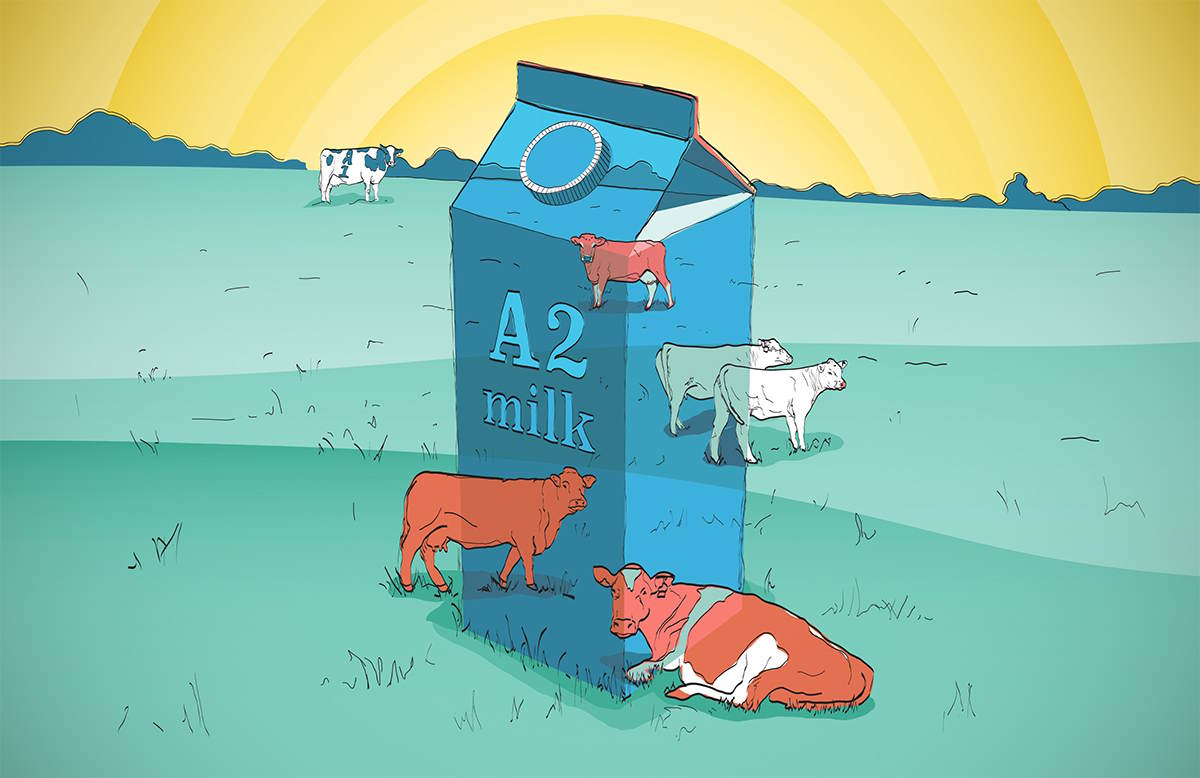
Evaluating the advantages and disadvantages of A2 protein milk
Advantage
- May be easier to digest for some people.
- Ideal for those sensitive to milk but not lactose intolerant
- Nutritional value equivalent to regular milk
- Today, A2 milk is widely available and lactose-free options are available.
Disadvantages
- The price is about 30% higher than regular milk.
In summary, A2 milk provides nutritionally equivalent to regular milk, and for some people, it may be easier to digest. Although it costs more, it may be a useful option if you have dairy sensitivities.
FAQ
What Is A2 Protein Milk: Explained?
In practical terms, A2 protein milk is becoming more and more popular. However, does A2 protein milk really make the difference as advertised.
Why does what is A2 protein milk matter?
The article highlights that however, does A2 protein milk really make the difference as advertised.
What is the main takeaway?
The main takeaway is that let's find out together what A2 protein milk is.
Related Articles
 Protein Analysis in Breast Milk Helps Detect Breast Cancer Early3 minutes read
 Are the Uses of All Kinds of Nut Milk, Bean Milk, and Corn Milk8 minutes read
 These Milk Tea Hair Dye Colors Are Beautiful5 minutes read
 Delicious Cockroach Milk and 4 Times the Milk Cow's Milk, but Are3 minutes read
 The Mistake When Drinking Milk Turns It into a Poison in the Body6 minutes read
 Signs You're Getting Too Much Protein: Complete Guide5 minutes read
Reader Comments 0
Sign in with email or Google to join the discussion.