Table of Contents
This updated guide answers the question 'What Diseases Can You Get If You Eat Too Much Protein' with clear explanations and practical context. Protein-rich foods are good for the human body, but the more you consume, the better. Here are the harmful effects of eating too much protein.

Summary of main content
- Consuming many protein is not always a healthy choice.
- Too much protein can increase your risk of serious health problems and lead to nutrient deficiencies.
- Keep your protein intake at about 10 to 35% of your daily calories to avoid overeating.
It Can Overwhelm Other Nutrient - rich Foods.
If you've been on a very high-protein diet, you may be overlooking other nutrient-dense superstars that deserve a spot on your plate.
A diet that is too high in protein can crowd out other important foods—like fruits, vegetables, and whole grains—leaving you short on fiber, antioxidants, and essential vitamins and minerals. Over time, this can lead to nutrient deficiencies, a compromised immune system, and digestive issues. Instead, keep things balanced, including protein at every meal but also making room on your plate for colorful produce and plant-based foods.
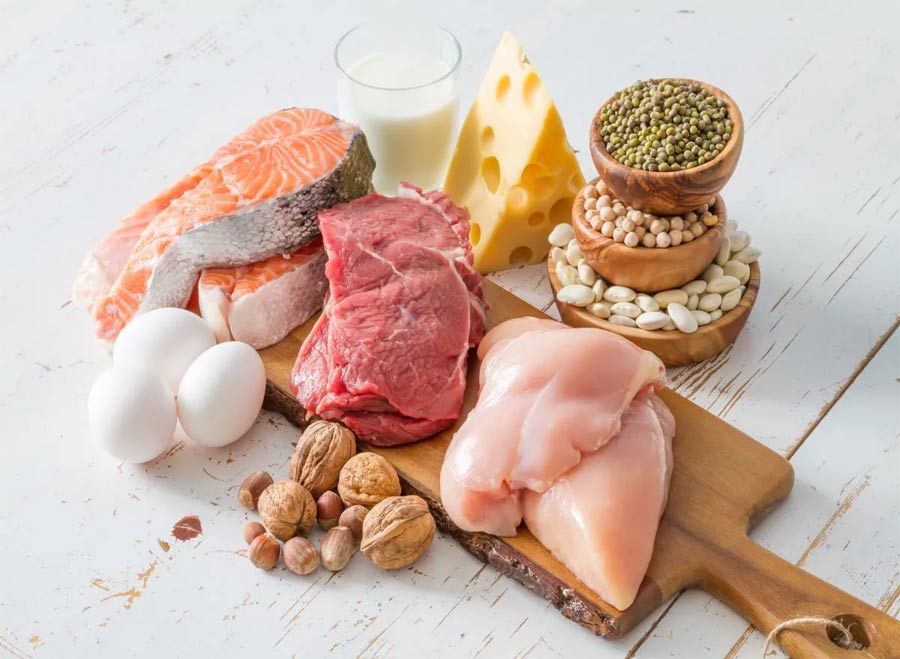
Can Lead to an Imbalance in Gut Health
Protein-rich foods, especially animal-based options like fish, chicken or eggs, are great sources of protein, but they lack fiber – which can be detrimental to gut health. High-protein diets that focus on animal proteins can lead to fewer beneficial bacteria and more harmful bacteria. Fiber is an important nutrient that helps support a healthy and regular digestive tract, helping to prevent constipation and promote a thriving gut microbiome.
Think of your gut as a lawn—it looks best when it is lush, diverse, and well-manicured. Just as a lawn needs a mix of plants to thrive, your gut thrives on a variety of plant foods. Research suggests that one way to keep your gut microbiome thriving is to eat a variety of plant foods each week.
If you include plenty of fiber-rich plant-based protein sources like beans and lentils in your weekly diet, you will not experience any imbalances when it comes to gut health.
May Increase Stress and Risk to Kidneys
Although we cannot see our bean-shaped organs located near our lower backs, our kidneys filter our blood and remove waste from our bodies. Still, studies show that consuming large amounts of protein, especially over long periods of time, can put stress on the kidneys, forcing them to work too hard and potentially increasing their risk of damage.
High intakes of animal protein may also increase the risk of developing kidney stones. Animal protein increases the amount of acid in the urine, which can increase the risk of kidney stones, which are made up of salt, protein waste, and potassium.
So support your kidney health by not overdoing it on protein and find out how much your body really needs by working directly with a trusted nutritionist.
May Lead to Higher Risk of Heart Disease
When it comes to protein intake, both type and amount matter. Diets high in red and processed meats are higher in saturated fat and sodium than other protein sources, which contribute to an increased risk of heart disease.' Sausages, bacon, and cold cuts are all processed meats, while beef, pork, lamb, and goat are considered red meat.
Instead, opt for lean proteins like chicken breast, fish, or plant-based options like beans, lentils, or soy like tofu.
May Increase Risk of Cancer
Another risk of eating too much red or processed meat is that it can increase your risk of cancer. According to the American Institute for Cancer Research (AICR), eating more than 12 to 16 ounces of red meat per week (or 4 to 6 ounces per day) can increase your risk of colorectal cancer.
Therefore, it is best to enjoy red meat occasionally and keep processed meats like bacon or sausages to a minimum, rather than making them a regular part of your weekly meals.

While protein is an essential macronutrient, more does not always mean better. Consuming too much protein can negatively impact your health, increasing your risk of heart disease or cancer, putting stress on your kidneys, leading to gut health imbalances, and even crowding out other nutrients on your plate. As with all nutrients, balance is key. A varied, balanced diet that includes a variety of protein sources in moderation and plenty of fruits, vegetables, and whole grains is the best way to support your overall health.
FAQ
What is the main takeaway about What Diseases Can You Get If You Eat Too Much Protein?
The key is to understand the core idea, compare the available options, and apply the practical guidance that matches your situation.
What should beginners know about What Diseases Can You Get If You Eat Too Much Protein?
Start with the essential steps and terminology. Avoid changing advanced settings until you understand how they affect performance, privacy, cost, or compatibility.
How can I use this information in practice?
Follow the relevant section in order, test one change at a time, and confirm the result before moving to the next step or recommendation.
Related Articles
 Signs You're Getting Too Much Protein: Complete Guide5 minutes read
 What Is A2 Protein Milk: Explained5 minutes read
 The Best Protein - Rich Fish to Eat According to Nutritionists7 minutes read
 Warning Signs That You Are Not Getting Enough Protein Every Day6 minutes read
 Should You Prioritize Fiber or Protein in Your Diet: Explained5 minutes read
 Which Nuts Contain the Most Protein?6 minutes read
Reader Comments 0
Sign in with email or Google to join the discussion.