Table of Contents
Explore new protein discovered that could treat depression via the gut.
Could a protein injection potentially improve both gut health and severe depression symptoms in the future? A new study from Victoria University of Victoria (UVic), published in the journal Chronic Stress , suggests a glycoprotein called Reelin could be a promising treatment option.
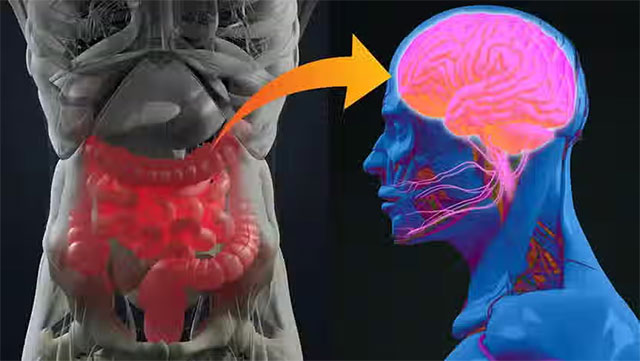
Under normal conditions, the digestive system tightly controls what is allowed to pass from the stomach, colon, and intestines into the bloodstream. This system is often collectively referred to as the 'gut.' However, when the body is under prolonged stress, or in stress-related disorders such as major depressive disorder (MDD), the gut's protective barrier can weaken and become more permeable than usual.
This can lead to what is commonly known as 'leaky gut,' allowing bacteria and toxins to enter the bloodstream. This leakage can trigger an immune response and cause inflammation, thereby exacerbating depressive symptoms. Therefore, therapies that strengthen and restore the gut barrier are considered a potential approach in preventing and supporting the treatment of MDD.
Reelin – a potential treatment target
According to Hector Caruncho, professor of biomedical science at UVic and lead author of the study, reelin-based therapies could be a promising direction. Reelin is present in many organs of the body, including the brain, blood, liver, and even the intestines.
" The goal of this study was to understand the role of reelin in the gut, particularly under conditions of chronic stress ," said Caruncho. " The gut-brain axis is increasingly seen as a key factor in understanding many mental disorders, including depression ."
Studies have shown that prolonged stress reduces Reelin levels in the gut in preclinical models. Notably, a single injection of 3 micrograms of Reelin was able to restore these protein levels to normal.
Previous studies have also shown that individuals diagnosed with major depressive disorder have lower-than-normal levels of reelin in the brain, similar to that found in rodents experiencing chronic stress. In these models, an intravenous injection of 3 micrograms of reelin can produce antidepressant-like effects. Furthermore, reelin has been shown to be essential for the normal regeneration of the intestinal mucosa.
Significance for depression and gut health
According to Ciara Halvorson, a neuroscience PhD student at UVic and author of the paper, these findings could have important implications for the management of major depressive disorder, particularly in individuals who also have digestive problems.
" Under healthy conditions, the intestinal lining is regenerated every four to five days. This is crucial because the cells lining the intestine are constantly exposed to potentially damaging factors within the gut ," Halvorson explains.
If Reelin helps protect against leaky gut by supporting the regeneration of the intestinal lining, then indirectly, Reelin may also help prevent the worsening of depressive symptoms caused by the inflammatory immune response when substances from the gut leak into the bloodstream.
Although more research is needed before Reelin can be used clinically, these findings position Reelin as a promising new treatment for depression, targeting biological mechanisms in both the brain and the gut.
Final Thoughts
Understanding new protein discovered that could treat depression via the gut makes it easier to evaluate the information and apply the most relevant recommendations. Focus on the key points above and verify details that may change over time.
FAQ
What is new protein discovered that could treat depression via the gut?
Explore new protein discovered that could treat depression via the gut.
What key points does this article cover?
The article focuses on Reelin – a potential treatment target, Significance for depression and gut health, with practical explanations and examples.
How can you use this information in practice?
Use the explanations to compare options, verify important details, and make a more informed decision. Apply the recommendations that best match your goals and situation.
Related Articles
 A Newly Discovered Protein Helps Treat Colitis3 minutes read
 What Is Depression? How to Treat 3 Common Types of Depression7 minutes read
 Over-active Bladder Medication Has Been Linked to Depression3 minutes read
 Men Are More Prone to Depression After Birth, This Rate Is Even4 minutes read
 7 Scary Healing Methods Still Apply Today: Cure with Maggots7 minutes read
 Postpartum Depression: Causes, Signs of Early Identification6 minutes read
Reader Comments 0
Sign in with email or Google to join the discussion.