Table of Contents
This updated guide explores the best protein - rich fish to eat according to nutritionists with practical details, clear explanations, and useful takeaways. When the weather heats up, what's better than fresh seafood? Not only is fish delicious, it also provides a vital nutrient your body needs — protein. Here are the best protein-rich fish that experts recommend for good health.
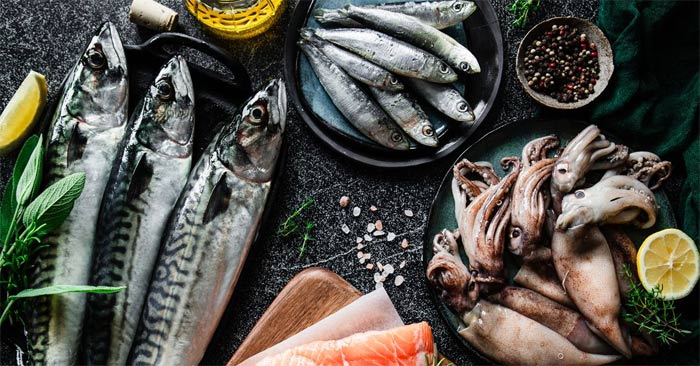
Anchovies
Protein: 28.9 grams per 100 gram serving (USDA)
You will find two types of people in this world: those who love anchovies and those who avoid them. If you're one of the latter, give them a try—you might actually enjoy their distinct flavor: salty, fishy, and a little tangy. Anchovies are a popular protein choice in Asian cuisine. Think of them as a great accent to a variety of dishes. You can toss them into pasta or use them as a garnish on side dishes that include vegetables like broccoli.
Mussels
Protein: 23.8 grams per 100 gram serving (USDA)
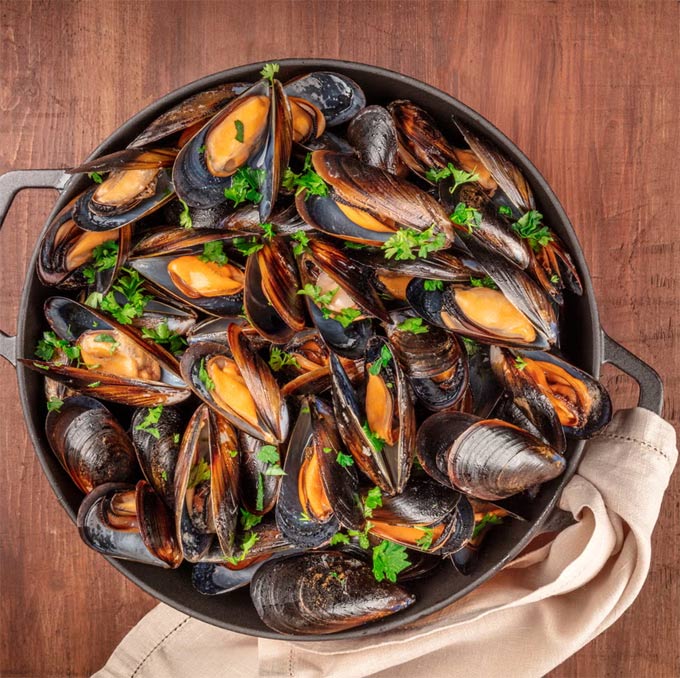
In theory, mussels are a shellfish that is extremely nutritious, including protein. Research has shown that mussels also contain phytosterols, which can lower cholesterol, and they are a good source of potassium.
Salmon
Protein: 22.3 grams per 100 gram serving (USDA)
Salmon is an excellent source of omega-3s, which have been shown to help reduce the risk of chronic inflammation and heart disease. Still, the protein content varies depending on the type of salmon, as some are higher in fat than others. for instance, wild Sockeye salmon and wild Chinook salmon have been shown to have the highest fat and protein content of all salmon.
Sardines
Protein: 24.6 grams per 100 gram serving (USDA)
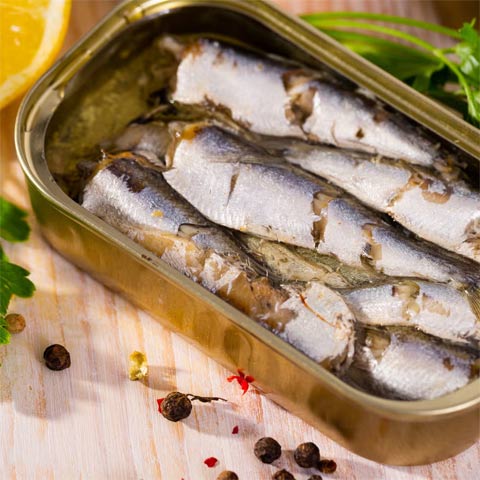
Sardines are packed with omega-3 fatty acids. Since they're particularly rich in the omega-3 docosahexaenoic acid, or DHA, sardines may also help support brain and cognitive health. Plus, the small, soft bones in sardines are edible and provide calcium and vitamin D, which support bone health. Try adding sardines to a protein-rich salad or sprinkling them on crackers with mustard.
Clams
Protein: 25.6 grams per 100 gram serving (USDA)
Clams do not have to be deep fried to be delicious. Steamed clams are delicious and packed with protein and other great nutrients. They're high in vitamins A and B, as well as selenium and zinc to support healthy immune function. These mollusks are small but mighty!
Trout
Protein: 20.5 grams per 100 gram serving (USDA)
You may never think of adding it to your plate, but trout has many benefits. Not as popular as regular salmon, trout is high in protein. It is lower in fat. In fact, salmon has 13.4 grams of fat per 100-gram serving, while trout has just under 7 grams. It is rich in vitamin D.
Red Snapper
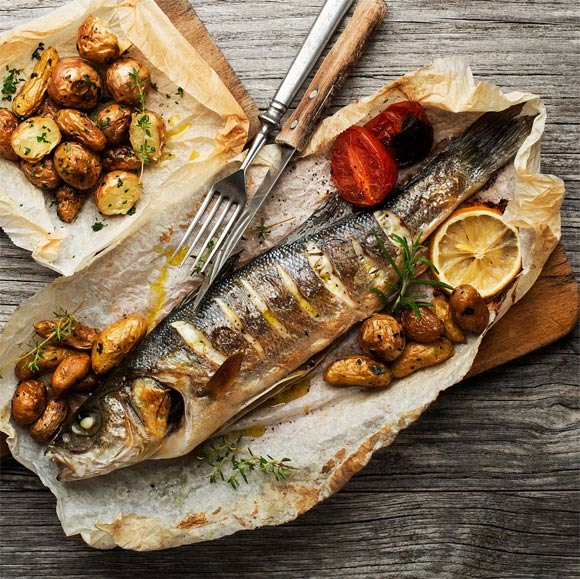
Red snapper is a wild-caught fish with red skin and pink flesh that is sweet and mild in flavor. Nutritionally, red snapper is well-balanced—low in fat and sodium but high in protein. It is truly an underrated sea star!
Mackerel
Protein: 18.6 grams per 100 gram serving (USDA)
Mackerel is not only high in protein, it is a good source of collagen. Collagen is the most abundant protein in the body. The collagen found in seafood like mackerel has been found to have potential anti-aging properties, as well as benefits for wound healing and bone health. You can cook mackerel the same way you would any other protein-rich fish. Try pan-frying or grilling.
Herring
Protein: 18 grams per 100 gram serving (USDA)
Herring is a small fish that is great for getting the protein your body needs. Herring has a slightly salty taste and a flaky texture. Herring can be prepared in a variety of ways depending on your preferences. for instance, pickled herring is delicious served with rye toast and eggs for a flavorful breakfast. You can sauté herring in olive oil and serve it with baked potatoes for dinner.
Cod
Protein: 16.3 grams per 100 gram serving (USDA)
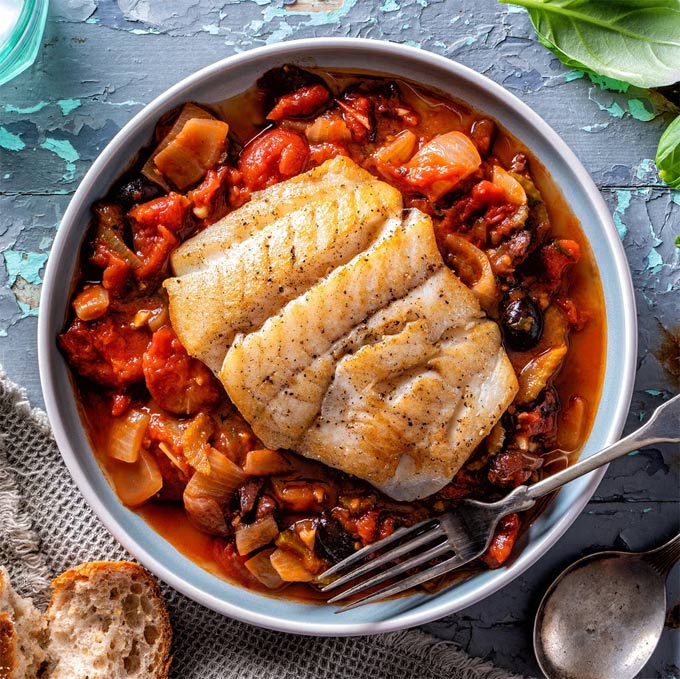
Cod is lean, healthy, and delicious. it is low in mercury, very low in fat, and packed with great nutrients like B vitamins, niacin, and selenium. Cod does not have a fishy taste, so it is a crowd-pleaser looking for a protein boost—in fact, it is a great choice for a barbecue. Note that it is also a fragile fish. If you're grilling it, it is best to wrap it in foil.
Scallops
Protein: 12.1 grams per 100 gram serving (USDA)
According to recent research, this sweet, tender seafood is rich in glycine and arginine, two amino acids that are very good for your health. Amino acids are the 'building blocks' of protein that help build and repair our cells and boost our immune system.
FAQ
What is the main takeaway about The Best Protein - Rich Fish to Eat According to Nutritionists?
The key is to understand the core idea, compare the available options, and apply the practical guidance that matches your situation.
What should beginners know about The Best Protein - Rich Fish to Eat According to Nutritionists?
Start with the essential steps and terminology. Avoid changing advanced settings until you understand how they affect performance, privacy, cost, or compatibility.
How can I use this information in practice?
Follow the relevant section in order, test one change at a time, and confirm the result before moving to the next step or recommendation.
Related Articles
 Which Nuts Contain the Most Protein?6 minutes read
 Protein-rich Breakfasts That Don't Require Eggs4 minutes read
 What Diseases Can You Get If You Eat Too Much Protein?7 minutes read
 Signs You're Getting Too Much Protein: Complete Guide5 minutes read
 Fish Eat Fish: Go: Explained4 minutes read
 What Is A2 Protein Milk: Explained5 minutes read
Reader Comments 0
Sign in with email or Google to join the discussion.