Table of Contents
The last reason to avoid buying a home video camera disappeared this past Thursday when the Connectivity Standards Alliance announced the release of Matter 1.5, the latest version of its open-source protocol for smart home devices.
It's easy to be hesitant about installing a smart camera in your home. But your hesitation probably doesn't stem from the thought of hackers secretly monitoring your video feed, because the number of layers of security in place to prevent that scenario may be enough to give you peace of mind.
The main problem with installing smart cameras in your home is that you can be pushed into using an entire ecosystem of products that you don't want.
Let's say you've got your eye on a Google Nest camera for your backyard, but the rest of your smart speakers and displays in your home run through the Apple Home app on your iPhone. Currently, you can't add a Google Nest camera to the Apple Home app (formerly HomeKit), so you'll have two apps, two separate sets of logins and data.
This may be one of the reasons why many people avoid buying smart cameras for their homes, even though costs have come down, supply has increased, and Wi-Fi connectivity has generally improved.
Matter 1.5 is the most important update ever
This update adds the most important smart home device: the Video Camera
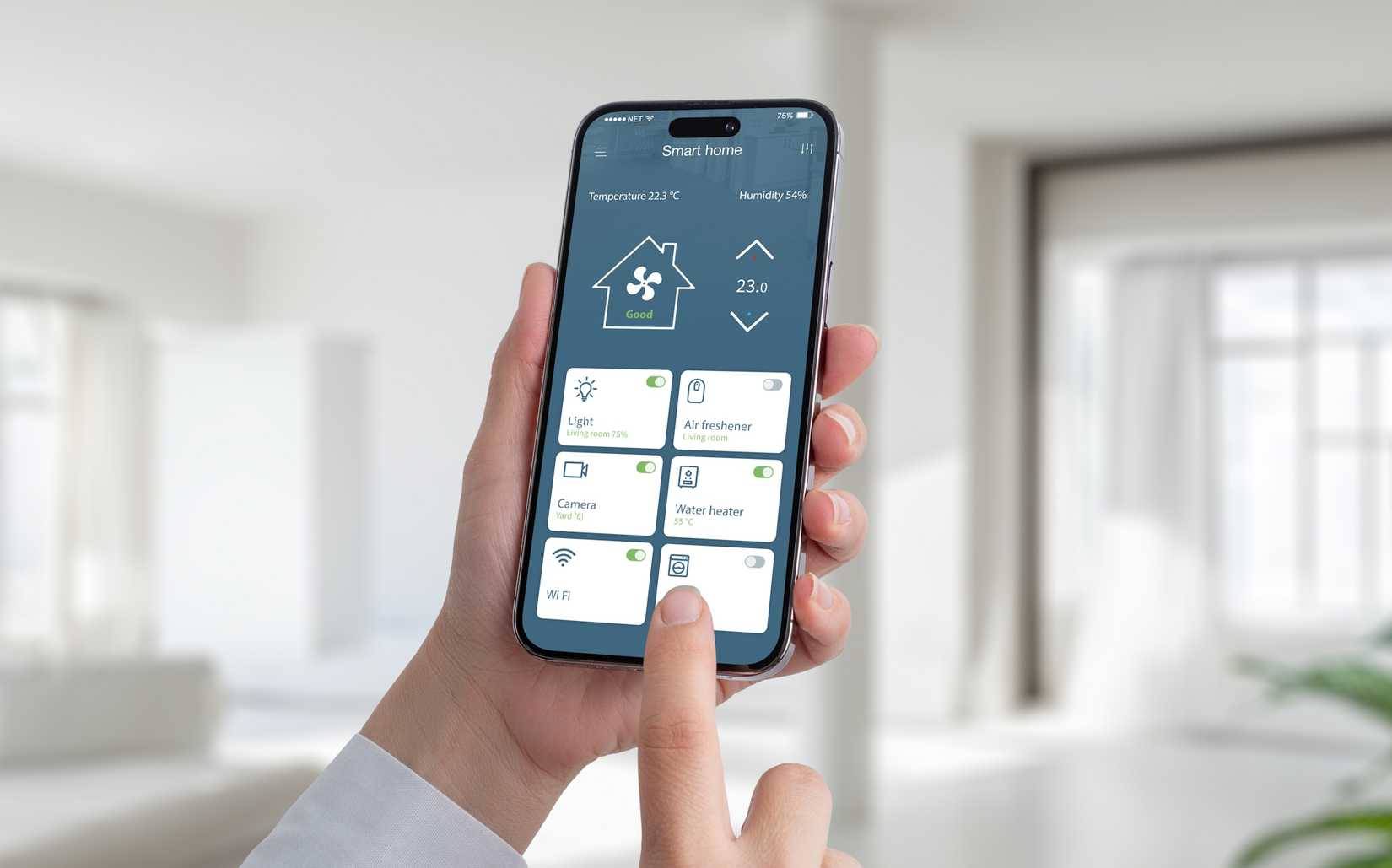
The last reason to avoid buying a home video camera disappeared this past Thursday when the Connectivity Standards Alliance announced the release of Matter 1.5, the latest version of its open-source protocol for smart home devices.
Notably, this new technical standard now supports video cameras. The Matter standard and Matter-enabled devices have been available since late 2022, and anyone who sets up a new smart device on their phone will see the option to 'add a Matter-enabled device.'
The Matter technical standard has been an open-source alternative to the closed ecosystem created by Apple and Amazon for years now, but with the addition of video cameras—arguably the most important smart home device—the Matter standard may be moving from an open-source, technological alternative to a mainstream standard.
Adding video cameras to the Matter 1.5 standard also expands the smart video market significantly. Large technology companies that own their own cameras have had a head start for years because their branded cameras already operate within their own branded ecosystems. But now any smart video camera that meets the Matter 1.5 standard can join the ecosystem. This could spur innovation, increase differentiation, and reduce costs for consumers.
What if you already have a smart video camera?
Here's how to know when you can update to Matter 1.5
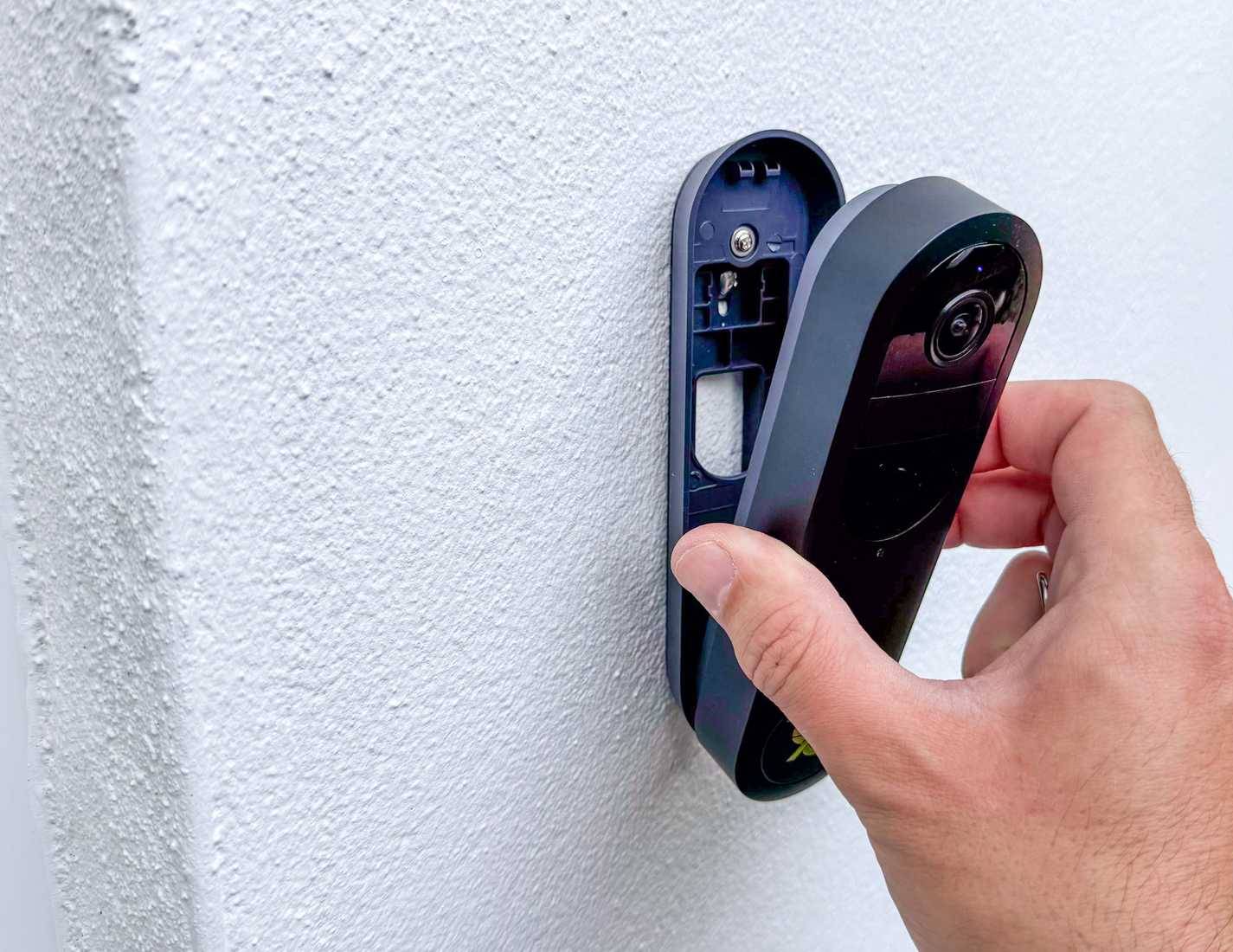
If you already have a smart camera in your home, you'll need to wait for the over-the-air update. Once the update is complete, you'll be able to connect the camera to other smart home devices and place it in other off-brand ecosystems (for example, adding a Google Nest camera to the Apple Home app).
But to take advantage of all this, you'll need to be patient. The update to these devices to meet the Matter 1.5 standard likely won't arrive for months. But some cameras are hitting the market quickly. Take the Ulticam IQ V2 smart camera, which launched on Thursday alongside the announcement. It supports Matter 1.5 and will be available in December.
Chris LaPre, CSA's Technology Strategist, said in an interview with Apple Insider that the new 1.5 specification is designed to make it possible for more cameras to be updated to support the standard: "The team said they intentionally designed the standard so that more existing cameras could support the standard with software updates."
The Matter standard aims to ensure that Internet of Things / smart home devices work well together more often. Smart home giants like Amazon, Apple, and Google are among the founders of the Connectivity Standards Alliance, which established the Matter technical standard earlier this decade.
While smart speakers, light bulbs, and smart displays are great features of a smart home, video cameras are often the most useful devices.
Adding video to the Matter specification isn't just about security. Video cameras are increasingly being built into devices—doorbells, baby monitors, thermostats—and if those devices meet the Matter 1.5 specification, you can add them to any home app that meets that standard, too.
What else does the Matter 1.5 standard include?
Door locks, solar panels and electric vehicle charging
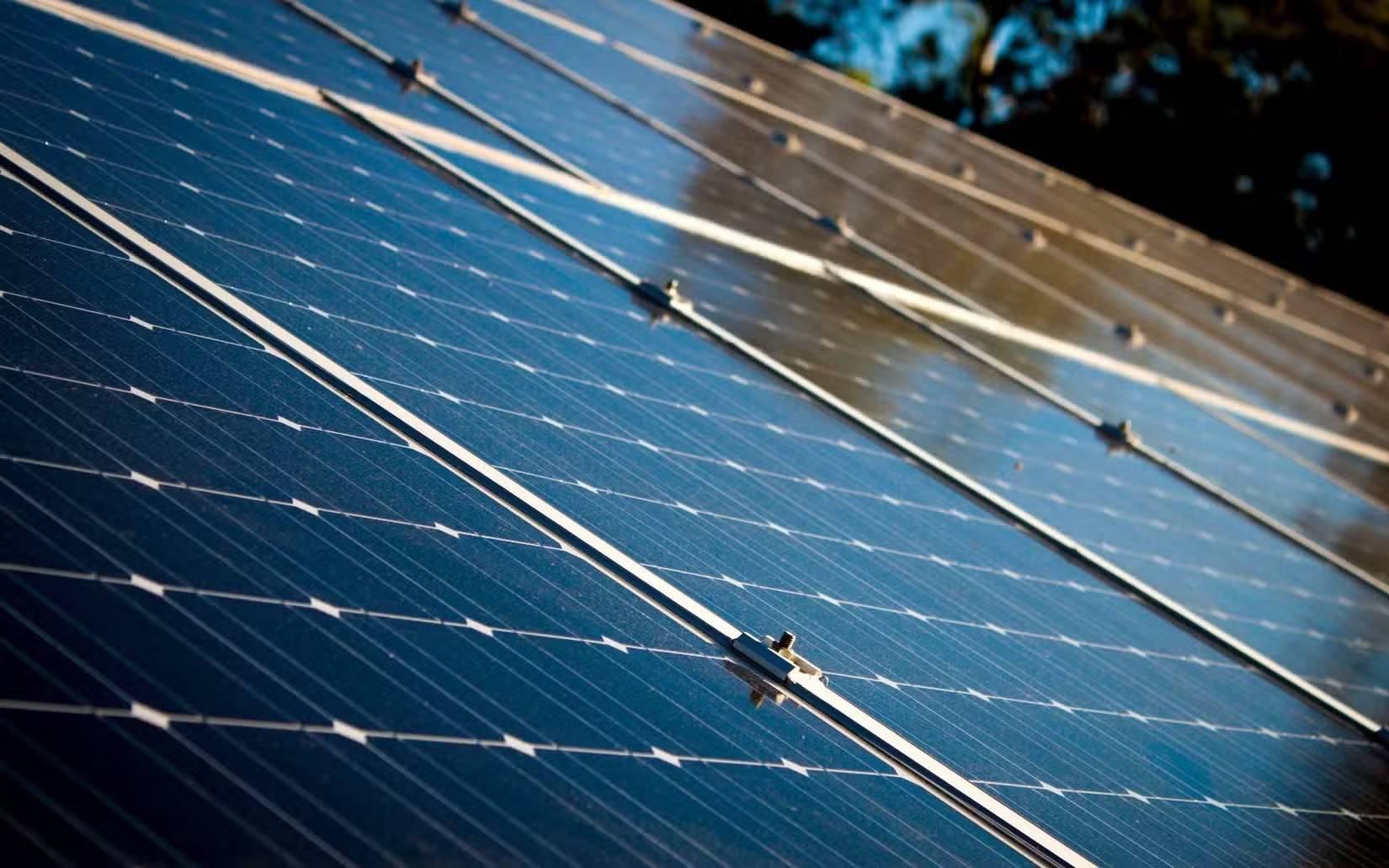
The Matter 1.5 standard also simplifies and hopefully brings more consistency to the technology for smart window shades, blinds, awnings, gates, and garage doors. If you're a gardener, the new Matter standard now includes smart devices that measure soil moisture and temperature. Matter 1.5 also supports energy-producing devices like rooftop solar panels, so you can collect that data and talk to utility companies about costs. Finally, the new standard adds support for electric vehicles, including charging them and powering other devices from their batteries.
FAQ
What should you know about matter 1.5 standard officially launched?
In practical terms, the last reason to avoid buying a home video camera disappeared this past Thursday when the Connectivity Standards Alliance announced the release of Matter 1.5, the latest version of its open-source protocol for smart home.
Why does matter 1.5 standard officially launched matter?
The article highlights that but now any smart video camera that meets the Matter 1.5 standard can join the ecosystem.
What is the main takeaway?
The main takeaway is that the update to these devices to meet the Matter 1.5 standard likely won't arrive for months.
Related Articles
 The 7 Most Important Aspects of the Home Buying Process7 minutes read
 Displayport 2.0 Officially Launched, Supporting Dual 8k Display5 minutes read
 Standard Shoe Size Chart for Men, Women, Children4 minutes read
 Valve Offers a Wide Range of In-home Streaming Services for Gamers4 minutes read
 iOS 14 Officially Launched with a Completely New Interface, 5-year-old6 minutes read
 Dark Matter Mystery: 'Mirror Worlds' and the Edge of the Universe4 minutes read
Reader Comments 0
Sign in with email or Google to join the discussion.