Table of Contents
Explore many tv companies are being sued for secretly taking screenshots.
The Texas Attorney General (AG) has filed lawsuits against five major TV manufacturers, including Sony, Samsung, LG, HiSense, and TCL, regarding violations of user privacy.
The lawsuit stems from allegations that these companies used Automated Content Recognition (ACR) technology to track the content users were watching. According to the lawsuit, ACR is capable of capturing screenshots of the TV screen every 500 milliseconds – equivalent to two images per second – thereby accurately identifying the content being played in real time. Even more concerning, all this data was sent to the manufacturer's servers without the explicit consent of the end user.
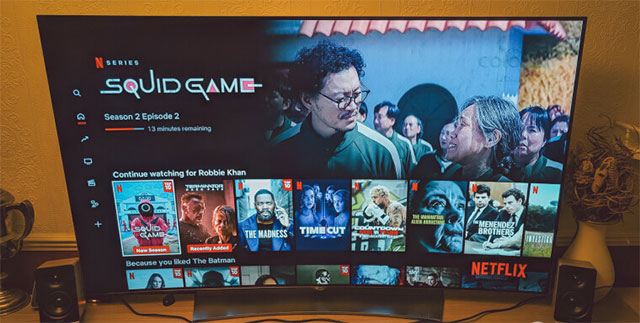
The attorney general also specifically highlighted the risk of American citizens' data being sent to servers located in China, owned by HiSense and TCL. Both companies are subject to China's National Security Law, which allows the government to access business data – and consequently, American user data – at any time. Texas Attorney General Ken Paxton expressed his concerns:
Companies do not have the right to illegally record activity on Americans' devices right in their own homes.
This behavior is intrusive, deceptive, and illegal. The basic privacy rights of Texans will be protected, as owning a TV does not mean having to compromise personal data to large technology corporations or foreign powers.
In fact, ACR is often used by TV manufacturers to 'identify' user behavior, thereby personalizing displayed content and advertisements to suit each person's viewing preferences. This technology is usually enabled by default on most smart TVs today, but users can still turn it off in the device's privacy settings.
Final Thoughts
Understanding many tv companies are being sued for secretly taking screenshots of the content users are watching makes it easier to evaluate the information and apply the most relevant recommendations. Focus on the key points above and verify details that may change over time.
FAQ
What is many tv companies are being sued for secretly taking screenshots of the content users are watching?
Explore many tv companies are being sued for secretly taking screenshots.
What key points does this article cover?
The article explains the core concept, important considerations, and practical details readers should understand.
How can you use this information in practice?
Use the explanations to compare options, verify important details, and make a more informed decision. Apply the recommendations that best match your goals and situation.
Related Articles
 Keyboard Shortcuts for Taking Screenshots on Various PC and Laptop Models5 minutes read
 How to Taking Screenshots with Snagit: Step-by-Step Guide14 minutes read
 3 Quick Ways to Take Screenshots in Windows 83 minutes read
 How to Take Screenshots on Linux: Complete Guide10 minutes read
 When does Facebook Messenger notify others about5 minutes read
 How to Save a Screenshot15 minutes read
Reader Comments 0
Sign in with email or Google to join the discussion.