Table of Contents
This guide provides a clear, practical overview of "Home Maintenance Myths You Shouldn't Believe". It organizes the most useful details, explains important considerations, and highlights the steps or choices that matter most.
"New" means "maintenance-free"
When looking for a home, people often choose new construction or a newly renovated home, largely due to the notion that new means no maintenance. A brand new home, or a home that has been completely renovated, should last at least a few years before the materials, systems, and appliances start to show wear and tear that requires maintenance, right?
False. On the one hand, even brand new, high-quality materials or appliances can be installed improperly, have factory defects, or perform below expected tolerances. On the other hand, maintenance isn't just for old things: Properly maintaining, cleaning, and servicing your roof, gutters, air conditioning system, and everything else in your home from the start will help your home last longer and be more efficient throughout its life.
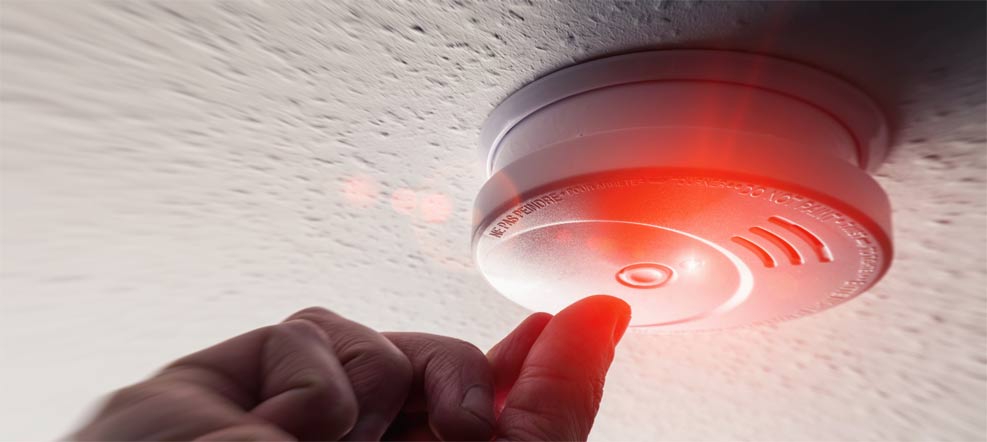
Check smoke alarms
Smoke alarms save lives when a fire breaks out. But they can only do that if they're working properly, so checking your fire protection system regularly—at least once a month—is a good idea.
But if you're testing it by pressing that big TEST button, you're really just testing the smoke alarm. That's important—a smoke alarm you can't hear is not useful—but it's not enough. You also need to test the sensors to make sure the smoke detector is actually working. You can do this the old-fashioned way by lighting a match near the smoke alarm, or you can buy a product specifically designed to test these sensors.
More insulation = better
In reality, the ideal amount of insulation is carefully calculated based on the material, space, and area, among other factors. For example, putting too much insulation between attic joists can compress the insulation too much, making it less effective. An over-insulated home will experience higher humidity, leading to visible condensation and the potential for mold growth. Air quality can also be affected, and you may notice extreme temperature swings between rooms because the home cannot 'breathe.'
Self-cleaning device
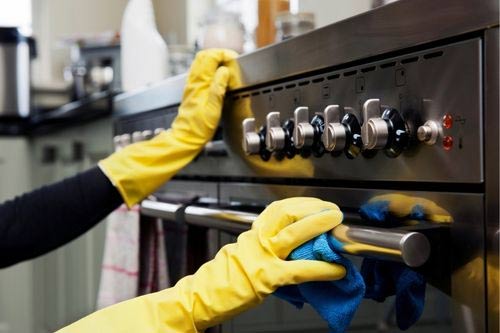
It might sound logical when someone tells you that you don't need to clean your washing machine or dishwasher because you're actually running them through a soap rinse cycle every time you use them. What good can adding detergent and water do to the inside of a machine that's constantly soaked in detergent and water? And how does dirt build up there?
But appliances like dishwashers don't clean themselves. In fact, over time, they can get downright dirty. Wash cycles leave behind residue—slime that's not easy to wash away. Over a (relatively short) period of time, this residue builds up into a nasty layer of gunk that can lead to mold, odors, and reduced appliance performance.
Room cooling fan
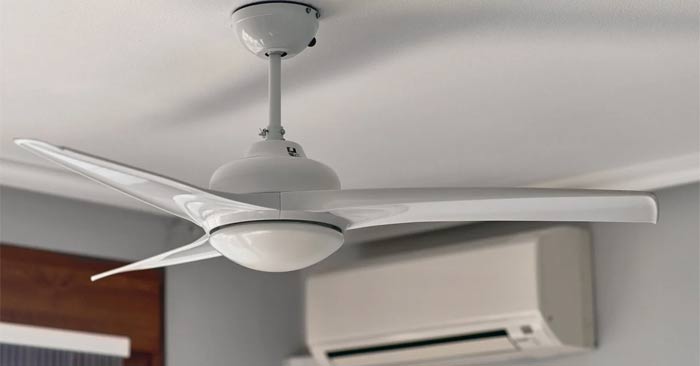
Ceiling fans are powerful tools for making your home more comfortable. They help circulate air, moving hot air down and cool air up (or vice versa, depending on the season). And if you're sitting under one, that breeze can be very soothing when you're hot.
That cooling effect makes people think that ceiling fans actually cool the room, but that's not true. The reason ceiling fans make you feel cooler is called the "wind chill effect." The movement of air speeds up the evaporation of sweat from your skin, which helps cool you down. But ceiling fans don't actually cool the room, which means leaving them on when you're not in the room is a waste of money and energy. In fact, ceiling fans that are left running for long periods of time get hot and can actually raise the temperature in the room.
Cut the grass short
With many people thinking that a lush green lawn is the epitome of the Good Life, you would think that people would be excited about the amount of work it takes to maintain one. You'd be wrong – most people hate lawn maintenance and would pay a high price to not have to mow their lawn regularly. This has led to the myth that if you mow your lawn super short, it will take longer to grow back.
In a sense, this is true—but cutting your lawn too short can kill it. It's better to mow regularly, but leave it a little higher—about 3 inches is a good starting point for most people.
FAQ
What should you know about "New" means "maintenance-free"?
When looking for a home, people often choose new construction or a newly renovated home, largely due to the notion that new means no maintenance. A brand new home, or a home that has been completely renovated, should last at least a few years before the materials, systems, and appliances start to show wear and tear that.
What should you know about check smoke alarms?
Smoke alarms save lives when a fire breaks out. But they can only do that if they're working properly, so checking your fire protection system regularly—at least once a month—is a good idea.
What should you know about more insulation = better?
In reality, the ideal amount of insulation is carefully calculated based on the material, space, and area, among other factors. For example, putting too much insulation between attic joists can compress the insulation too much, making it less effective. An over-insulated home will experience higher humidity, leading to visible.
What should you know about self-cleaning device?
It might sound logical when someone tells you that you don't need to clean your washing machine or dishwasher because you're actually running them through a soap rinse cycle every time you use them. What good can adding detergent and water do to the inside of a machine that's constantly soaked in detergent and water? And how.
Related Articles
 Self-maintenance Steps, Generator Maintenance11 minutes read
 Essential but Often Overlooked Home Maintenance Tasks: Complete Guide5 minutes read
 Which Time Is Reasonable for Automobile Maintenance: Car Maintenance4 minutes read
 Maintain Conditioning and Things You Need to Remember9 minutes read
 League of Legends Server Maintenance Period for Version 25.207 minutes read
 Home Repairs You Can Do in 5 Minutes8 minutes read
Reader Comments 0
Sign in with email or Google to join the discussion.