Table of Contents
Web Highlights lets you select text on a web page, mark it in color, and attach a note you can revisit later. Start with a regular article in Chrome so you can check that your first highlight saves before taking notes on a PDF or a page that changes often.
Install Web Highlights and make a test highlight
- Open the official Web Highlights listing in the Chrome Web Store, review the requested permissions, and install it. Open Chrome’s Extensions menu and pin Web Highlights if you want quick access.
- Open or reload the page you want to annotate. Select a short passage and choose a color in the highlighting menu.

- Use the plus button on the palette if you need more colors. Reload the page and check the sidebar to confirm your test highlight was saved.

Add a note, tag it, and find it again
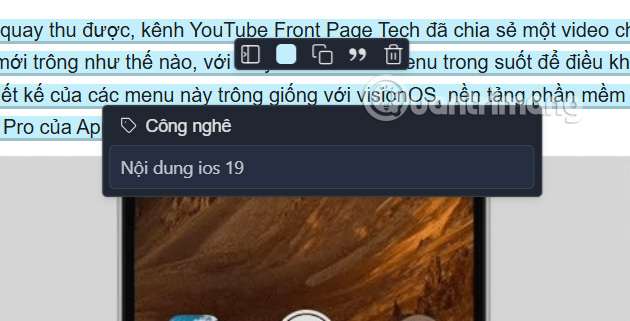
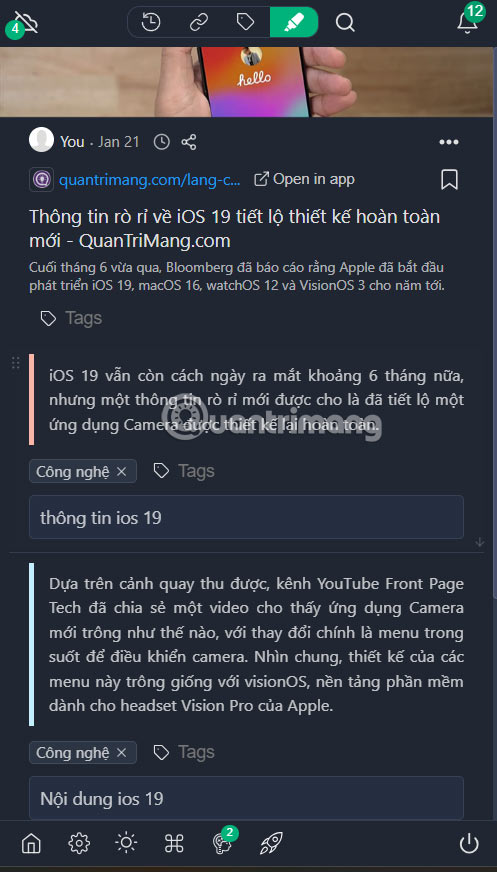
Select a highlighted passage and open its note field. Write a reminder of why the passage matters and add a reusable tag, such as sources or follow up. Open the sidebar to browse the page’s highlights and notes.
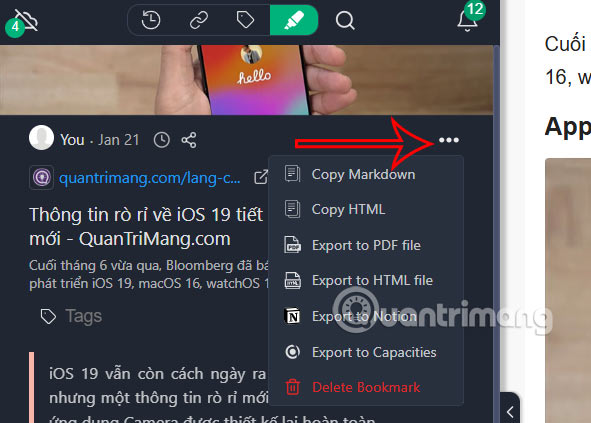
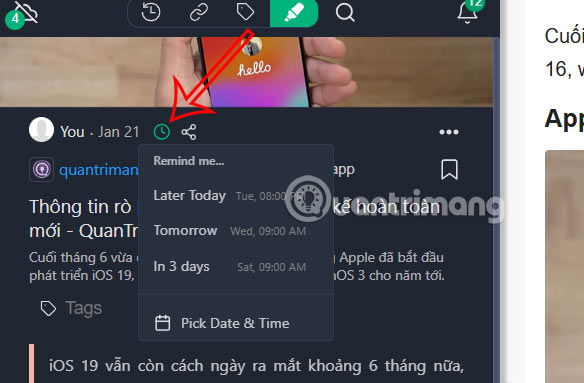
Look in the three-dot menu next to a note for available copy and export options. If your version offers Snooze, use it to schedule a reminder and check whether the reminder requires a signed-in account.
Check where notes are stored and which pages work
According to the Web Highlights documentation, offline mode keeps annotations on the device, while cloud sync can make them available on other devices. Export important notes before changing browser profiles or removing the extension. For PDFs, use the extension’s PDF workflow if Chrome’s default viewer doesn’t offer the highlighter. Scanned PDFs without selectable text may need text recognition first.
If the highlighting toolbar never appears on a normal page, reload it and check the extension’s site access in Chrome.






Reader Comments 0
Sign in with email or Google to join the discussion.