Table of Contents
Explore how can you tell if your gut microbiome is healthy, including the key concepts, practical examples, important considerations, and useful guidance.
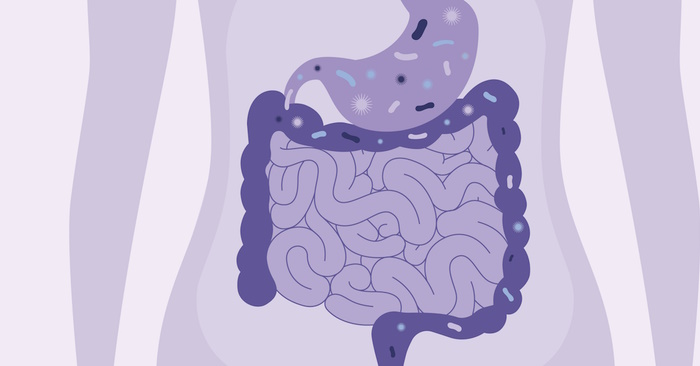
Bloating and bowel habits
Diarrhea, constipation, or having fewer than three bowel movements a week can be signs of poor gut health, as can bloating or abdominal pain after eating.
In some cases, these symptoms may be a sign of irritable bowel syndrome (IBS), which affects about one-third of women and one-quarter of men. It's a very common condition, and one possible cause is a poor-quality diet low in fiber and lacking in plant-based foods.
When these symptoms appear, people often start by restricting their diet, usually by cutting back on high-fiber foods. However, these foods are rarely the culprit, and eliminating them can actually make the symptoms worse. Our gut needs a variety of plant-based foods to support good bacteria. When plant intake is low, the gut typically has fewer 'good' bacteria, giving 'bad' bacteria a chance to thrive.
How to fix it
Symptoms often improve as you gradually add variety to your diet. This means eating a wider variety of vegetables, fruits, whole grains, and nuts. This process should be slow and steady, adding small amounts of these foods and gradually increasing the quantity over several weeks or months.
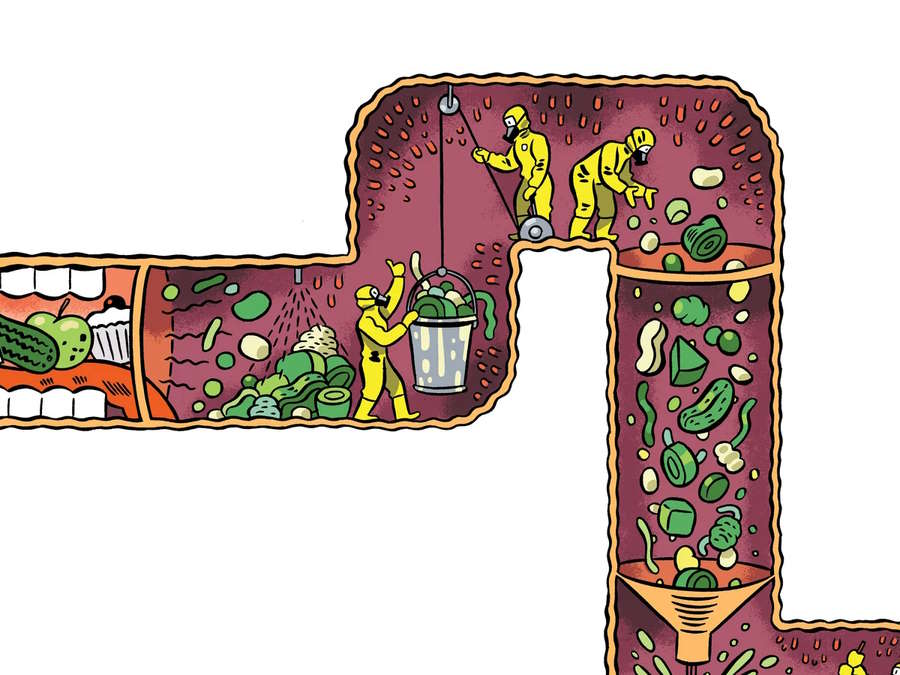
Acid reflux
Heartburn, especially when you're about to go to sleep, can be a sign of poor gut health. It happens when strong stomach acid refluxes into the esophagus, causing chest pain, sometimes accompanied by an unpleasant taste in the mouth.
How to fix it
One of the six principles of gut health is to shorten your eating window to 14 hours, allowing your gut to rest overnight. For example, if you finish your last meal at 7 p.m., you shouldn't eat again until 9 a.m. the next day. Research shows that this type of intermittent fasting can offer a range of health benefits, including reduced acid reflux symptoms.
It's also important to avoid eating within three to four hours of going to bed. Eating too close to bedtime forces the digestive system to work all night when it should be resting and recovering.
Medications called proton pump inhibitors are commonly prescribed by general practitioners and can be very effective in reducing symptoms. However, they can reduce the diversity of the gut microbiome, making it less healthy. Whenever possible, it's best to try addressing symptoms through dietary changes first.

Depressed mood
If you frequently feel low on energy and in a bad mood, it can sometimes be a sign of poor gut health.
When 'bad' bacteria become dominant, they can cause inflammation by tricking the immune cells lining the gut into believing there is a threat. These signals travel up the vagus nerve to the brain.
The brain then reacts as if it were sick, producing what's called sick behavior, similar to what happens when you have a cold or flu. You feel bad and have low energy, so you just want to hide under the covers. Much of this reaction is caused by inflammation.
How to fix it
Research shows that within two weeks of improving your diet, your mood and energy levels can begin to improve.
Aiming to eat 30 different vegetables per week, consuming a variety of colorful fruits and vegetables (such as orange carrots, purple broccoli, and red berries), incorporating some fermented foods, and reducing high-risk processed foods can all make a significant difference.
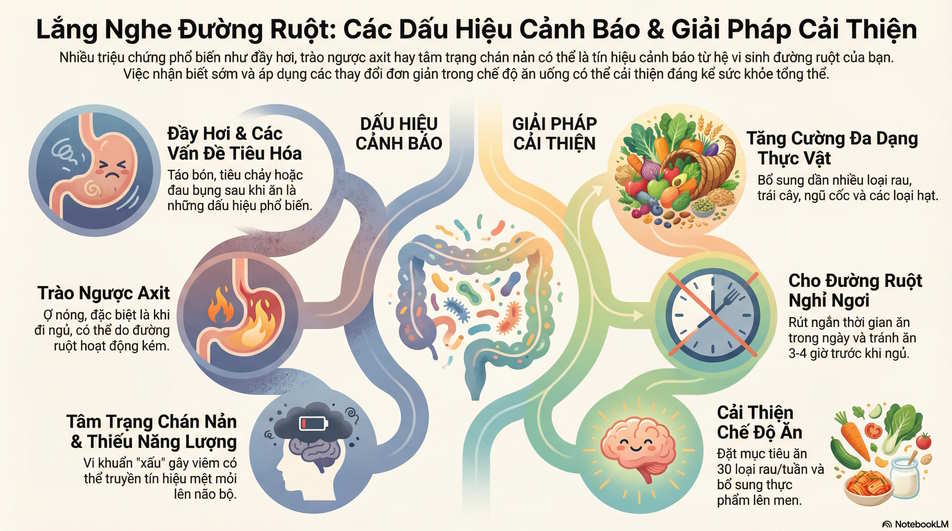
Try applying some of these tips for a few weeks and you might be surprised at how much your gut health improves, and then your overall health.
Final Thoughts
Understanding how can you tell if your gut microbiome is healthy makes it easier to evaluate the information and apply the most relevant recommendations. Focus on the key points above and verify details that may change over time.
FAQ
What is how can you tell if your gut microbiome is healthy?
Explore how can you tell if your gut microbiome is healthy, including the key concepts, practical examples, important considerations, and useful guidance.
What key points does this article cover?
The article focuses on Bloating and bowel habits, Acid reflux, Depressed mood, with practical explanations and examples.
How can you use this information in practice?
Use the explanations to compare options, verify important details, and make a more informed decision. Apply the recommendations that best match your goals and situation.
Related Articles
 6 Essential Elements to Have a Healthy Body4 minutes read
 The Secret to Staying Healthy and Giving Advice from Experts12 minutes read
 10 Tips to Help You Eat Clean - Stay Healthy6 minutes read
 3 Minimum Things to Do to Have a Healthy Life5 minutes read
 10 Simple Strategies to Eat Healthy without Thinking: Healthy Food10 minutes read
 Relationships: Healthy and Balance Mean?3 minutes read
Reader Comments 0
Sign in with email or Google to join the discussion.