Table of Contents
Try these simple strategies to reduce stress, recharge, and protect your mental health—no matter how tough your day has been.
Try these simple strategies to reduce stress, recharge, and protect your mental health — no matter how tough your day has been.

After the workday is over, most of us finally get some time to unwind. But instead of truly relaxing, most people easily fall into habits that don't actually restore their mental health—like surfing the web, responding to 'just one more email,' or wandering in front of the TV. Experts say the hours after 5 p.m. are a crucial time to rebalance your body and mind, helping you manage stress, regulate your emotions, and prepare for better sleep.
So, what's the best way to support your mental health after the workday? Here are some science-backed habits that mental health experts recommend adding to your evening routine.
Move your body to get out of 'work mode'
After hours of sitting at a desk or rushing from one task to another, your body and mind need a signal that it's time to change things up. Physical activity is one of the simplest and most effective ways to do that.
A 2025 review found that walking around 7,000 steps a day – even lower than the traditional goal of 10,000 steps – was associated with improvements in markers of physical and mental health.
Exercise also triggers the release of endorphins, the body's natural mood enhancers, and helps reduce stress hormones like cortisol. Whether it's a brisk 20-minute walk, a gentle yoga session, or stretching while listening to music, the key is to choose an activity that's enjoyable enough to look forward to each evening.
This activity helps you switch from 'work mode' to 'life mode', making it easier to relax and reconnect with yourself after a stressful day at work.
Connect with others
Humans are social creatures, and feeling connected is essential for mental health. Yet, after a long day, many people isolate themselves without even realizing it. We all have a need to feel a sense of belonging, so connecting with loved ones is essential. It can significantly reduce stress.
Spending quality time with loved ones is crucial for emotional regulation and long-term recovery. After work, bond with your family over cooking, playing board games, watching movies, and talking about life.
Research helps explain why these connections matter. Loneliness is now considered a major public health concern and a strong predictor of premature death and poor mental health. Experts believe that loneliness acts as a chronic stressor, overactivating the body's stress response system and increasing cortisol, which can contribute to both mental and physical illness. Interestingly, positive social interactions can counteract this stress response by releasing comforting chemicals like oxytocin, often called the 'love' hormone. These interactions can include hugs, eye contact, laughter, or a quality conversation.
The good news? Even small, consistent efforts to connect—like an evening phone call with a friend or a walk with a neighbor—can help alleviate loneliness and reduce stress hormones. Research also shows that activities that encourage self-reflection and self-compassion, like journaling, can boost mental resilience and emotional regulation, meaning that even when you're alone, feelings of loneliness can feel less intense.
Relax your mind
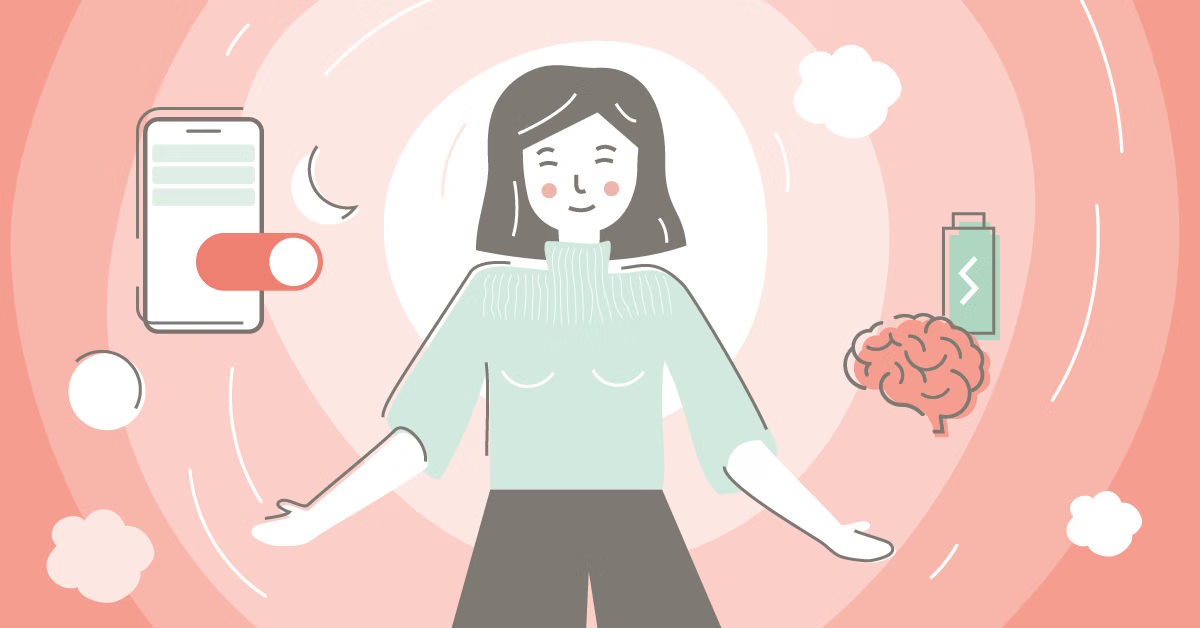
Between deadlines, constant notifications, and endless to-do lists, it's no surprise that stress lingers long after the workday is over. That's why creating space to actively calm your mind is essential for mental health.
In the last 30 to 60 minutes before bed, stay away from goal- or screen-related tasks. Try stretching, meditating, reading, or enjoying a relaxing beverage as part of your evening routine. Where your mind goes, your brain and body will follow, so choose calm before bed.
FAQ
What should you know about things to do after work to improve your mental health?
In practical terms, try these simple strategies to reduce stress, recharge, and protect your mental health—no matter how tough your day has been.
Why does things to do after work to improve your mental health matter?
The article highlights that so, what's the best way to support your mental health after the workday.
What is the main takeaway?
The main takeaway is that move your body to get out of 'work mode' After hours of sitting at a desk or rushing from one task to another, your body and mind need a signal that it's time to change things up.
Related Articles
 Will AI Improve or Harm Mental Health?9 minutes read
 6 Reasons Smartwatches Can Be Harmful to Mental Health: Best Options Compared10 minutes read
 The Alarming Link Between Air Pollution and Human Mental Health5 minutes read
 The Best Mental Health Activities for Kids7 minutes read
 8 Habits That Affect Health and Productivity Should Be Overcome7 minutes read
 Research Shows That Gaming Is Beneficial for Mental Health: What You Need to Know4 minutes read
Reader Comments 0
Sign in with email or Google to join the discussion.