Table of Contents
Electric stoves are now quite popular in most households in Vietnam. Electric stoves are convenient and safe, but if not used properly, they will quickly break down.
Electric stoves Are now quite popular in most households in Vietnam. Electric stoves are convenient and safe, but if not used properly, they will quickly break down. Below are Common mistakes when using electric stoves.
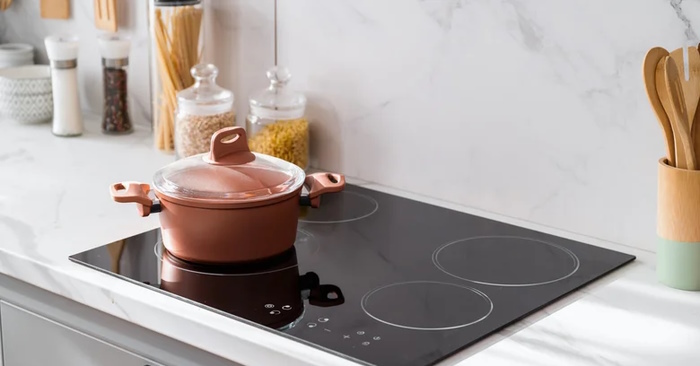
Many home cooks have learned the hard way that electric stoves are completely different from gas stoves. They have their own characteristics, and if you don't know the rules, you will face many problems when cooking. Let's find out together the common mistakes when using electric stoves and more importantly, how to fix them.
Confusion between electric stove and traditional induction stove
The two most common types of electric stovetops are traditional electric stovetops (with visible coils or heating plates, or a smooth ceramic cooktop) and induction stovetops. Although both run on electricity, they operate and function quite differently.
Traditional electric stoves heat a coil or other heating element, which then heats the pan. It takes a while for the system to heat up the cooktop, and the heat continues to radiate even after the stove is turned off. In practice, if you are used to cooking on a gas stove, you may find it less responsive. It takes a little time to get used to how it works so you can adjust as you cook.
Induction cookers are different. They use an electromagnetic field to heat the cookware directly, rather than the cooktop. In practice, the cooktop surface remains cool to the touch while the pan heats up. This direct heat transfer is extremely efficient and allows for precise, instant temperature control, similar to gas cooking. Traditional electric models are more popular because they are more affordable, but induction cookers are often preferred by professional chefs.
Using an incompatible or incorrect sized pan
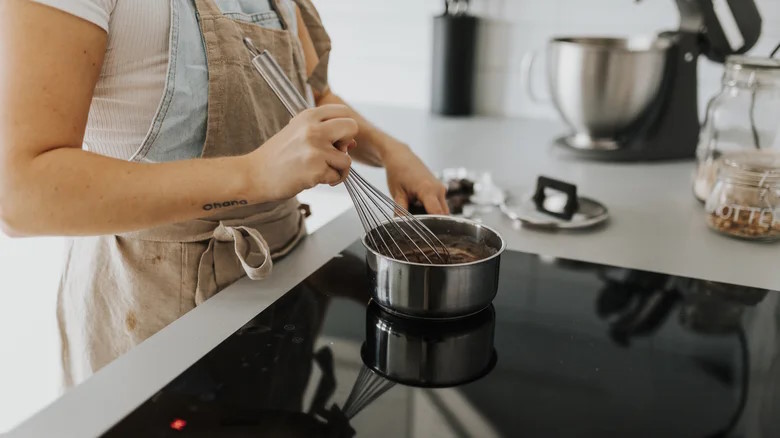
One of the most common mistakes in the kitchen is using incompatible or incorrectly sized pots and pans. Using pots and pans that are too large or too small for the burner can waste energy and cause other problems. Using incompatible pots and pans on an induction hob will be completely inefficient.
Using cookware that is too small for the burner is a huge waste of energy, as the hob will have to heat a much larger area than the pot itself. On the other hand, using a pot that is too large for the burner will result in uneven cooking. The center of the pot will heat up and cook the food faster, while the outer edges will cool down. This is a common cause of food that is charred in the middle but raw on the sides. Additionally, what many people don't realize is that smaller burners are typically lower wattage, so they heat the food more gently. This is great for precise temperature control, but if you want to boil a pot of water quickly, a larger burner is the way to go.
When cooking on an induction cooktop, You should consider the type of pot/pan you are using. The magnetic field that creates heat on an induction cooktop requires a compatible ferromagnetic pot/pan to work. This is why glass bowls or aluminum pots will not heat up on an induction cooktop. The quickest way to test if your cookware will work on an induction cooktop is to simply place a magnet on the bottom of the pot. If it sticks, you are good to go. Cast iron pots and many stainless steel pots will also work.
Using warped or uneven cookware
Using a wok with a warped or uneven bottom is a surefire way to get bad results on any electric stovetop. When the bottom of the wok doesn't make full contact with the burner, there's a huge loss of heat transfer. In practice, you'll end up with nasty hot spots and cold spots, resulting in uneven cooking. It'll cause oil to pool at the edges, causing food to fry in some areas and steam in others. On an induction stovetop, this problem is even more severe, as the electromagnetic field requires a flat, even surface for efficient heat transfer.
Warping is a common occurrence over time. It can be caused by the common but harmful kitchen habit of rinsing a hot pan in cold water immediately after cooking. The sudden change in temperature shocks the metal, causing it to expand and contract unevenly, eventually warping the appliance. To avoid this, always let the pan cool naturally.
That said, you may notice that some pans have a slight concave in them. This is like a small mound in the middle. Some materials will warp slightly when heated, and this concave design means that the pan will flatten out completely when placed on the stove.
Not heating the stove properly or leaving the heat on unnecessarily high
You know that an oven always needs to be preheated, but what about a stove? A common mistake with traditional electric stoves is not heating the cooktop properly. Unlike gas and induction stoves, which provide instant heat, glass stovetops have a significant delay. They need time to heat up to the desired temperature before you can add any ingredients. Putting food on a cold or warm stovetop will result in soggy and unevenly browned food.
Most recipes call for a few minutes of preheating your pan before adding oil or food, and this step is even more important for electric stovetops. This initial waiting time is key to creating a hot, stable surface for sautéing, stir-frying, or frying. An electric stovetop may need 10 to 15 minutes to fully preheat before you heat your pan. It's a good idea to leave it on while you chop onions or prepare other items.
On the other hand, leaving the stove on high heat unnecessarily is also a problem. Since electric stoves retain heat for a long time, maintaining high temperatures can easily burn food or cause it to boil over, especially if you leave the stove for a while. Instead, learn to adjust the temperature as you cook. Balancing the temperature can be difficult at first, but it will become a habit.
Misunderstanding about temperature settings
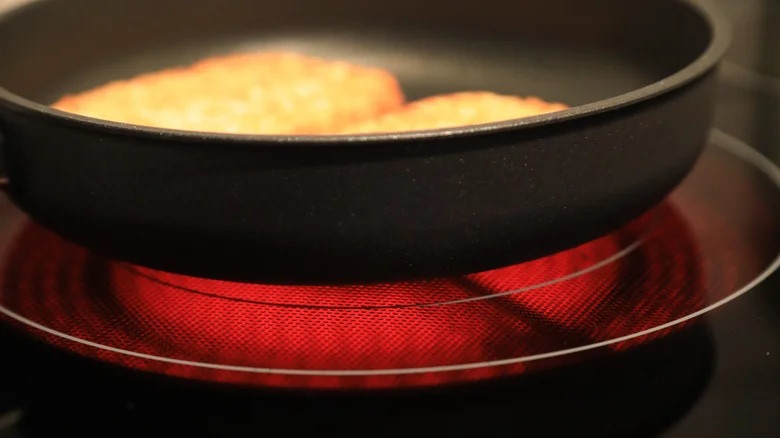
One of the biggest frustrations with traditional electric stoves is the lack of precision. You have settings from 'low' to 'high,' but they're not exactly standardized. A 5 on one stove might be completely different than a 5 on another. This can easily lead to guesswork and ruined dishes. Setting the temperature too high will burn the outside of your food before the inside is done, while setting it too low will result in a long, slow cooking process and an unappealing texture.
So it's important to know what you can achieve from each heat level on your stove. Low is generally a simmer setting, allowing you to slowly heat delicate sauces and anything else that doesn't require many heat. Medium is good for most cooking, like stir-frying or sautéing, while high is good for boiling water or bringing things to a boil, but can stay hot for a long time after you turn it down, so be careful.
For more control, use two burners. Set one burner on a higher heat setting for searing and browning, and the other on a smaller, gentler heat for simmering or keeping food warm. This lets you quickly move your pan between the two heat zones without having to wait for the burner to cool or heat up. This is a great way to simulate the rapid temperature changes of a gas stove, and gives you much more control over your cooking.
FAQ
What should you know about common mistakes when using electric stoves?
In practical terms, electric stoves are now quite popular in most households in Vietnam. Electric stoves are convenient and safe, but if not used properly, they will quickly break down.
Why does common mistakes when using electric stoves matter?
The article highlights that let's find out together the common mistakes when using electric stoves and more importantly, how to fix them.
What is the main takeaway?
The main takeaway is that a common mistake with traditional electric stoves is not heating the cooktop properly.
Related Articles
 The Silly Faults of People Using Electric Stoves Make the Kitchen7 minutes read
 How to Choose a Smoke-free Electric Grill4 minutes read
 Everyday Activities That Are Slowly Destroying Your Kitchen: Complete Guide5 minutes read
 Should Choose Between: Induction Cooker and Infrared Stove?9 minutes read
 10 Common Mistakes When Shopping Make You Spend More Money6 minutes read
 9 Common Mistakes About Technology Need to Stop Immediately9 minutes read
Reader Comments 0
Sign in with email or Google to join the discussion.