Table of Contents
Opposition to AI data centers in the United States centers on a practical question: who bears the cost of the power, water, land and infrastructure they need? Residents may value the investment and tax revenue while questioning whether utility bills, local resources or air quality will suffer. The answer depends on each project's location, design and agreements with utilities and local government.
For background on the scale of these facilities, see how AI data centers use electricity and water.
Why communities are asking for a pause
Electricity and grid costs. A large facility can require new generation, transmission lines, substations or distribution equipment. If the developer does not cover the costs attributable to its project, other customers may pay through rates. A proposed connection does not automatically cause a particular household's bill to rise; regulators need to examine the utility's cost allocation and the project's actual load.
Water, noise and air. Cooling systems may draw water, especially where evaporative cooling is used, while other designs trade water use for greater electricity demand. Equipment and backup generators can also raise local concerns about noise and emissions. The relevant figures are the proposed site's water source, expected consumption, operating hours and permits, rather than a generic national estimate.
Public incentives. Tax exemptions may help attract construction and investment, but officials must compare the foregone revenue with local jobs, tax receipts and the cost of public services. A large construction workforce does not necessarily mean equally large permanent employment.
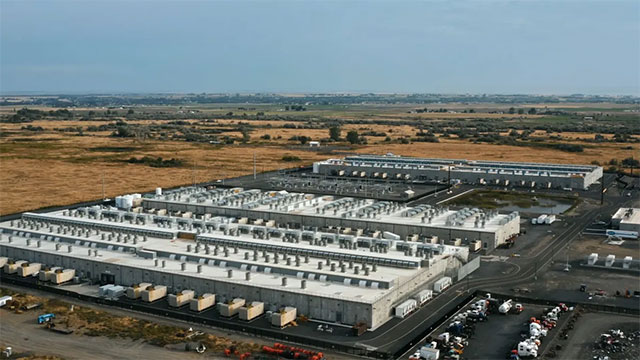
What has happened in New York?
New York illustrates why it matters to distinguish a proposal from a rule already in force. Senate bill S9144A proposed a permit moratorium of at least three years and 90 days while agencies studied environmental and rate impacts. It is a legislative proposal, not the source of the state's current pause.
On July 14, 2026, Governor Kathy Hochul announced a separate executive order temporarily pausing certain state environmental permits for new hyperscale data centers for up to one year while the state prepares an environmental review and standards. The state says applications already deemed complete are outside that particular permit pause. The scope and duration should be checked against the order and agency guidance before treating every data center project as banned.
Can companies pay for their own power?
Building or contracting for new generation can reduce pressure on a public grid, but it does not settle every issue. A dedicated gas plant or on-site turbine still needs to meet applicable air rules; a new power connection still needs a clear agreement about who pays for grid upgrades. The U.S. Department of Energy's Ratepayer Protection Pledge calls for participating technology companies to bring new power, pay for required delivery upgrades and negotiate separate rate structures. Communities should look for the enforceable utility tariff and permit terms behind such commitments.
There are also engineering ways to reduce demand or cooling overhead, discussed in TipsMake's guide to greener data center design. Efficiency can reduce resource use, but it does not replace a site-specific assessment.
What should a local review ask?
- How much power will the site draw at full operation, and which upgrades are needed?
- Who pays for new generation, transmission and distribution, including costs if the facility never reaches its forecast load?
- What water source and cooling design will it use, and what are the expected withdrawals and consumption?
- What permits cover on-site generators, air emissions and noise?
- What tax benefits and permanent jobs are documented, and how will the community verify promised benefits?
A temporary pause can give regulators time to answer these questions. Approval or rejection should then turn on the specific site's costs, impacts and binding conditions, rather than an assumption that all data centers have the same effect.
Related Articles
 Things to Note When Using a Winter Heating Fan7 minutes read
 Should Coal or Heating Fan Be Used for Heating?9 minutes read
 Instructions for Homemade Bath Heating Lamps Simple and Safe4 minutes read
 Evaluate the Pros and Cons of Some Winter Heating Equipment9 minutes read
 Instructions for Installing Bath Heating Lamps and Safe Usage4 minutes read
 2 Ways to Help Data Center Save Electricity3 minutes read
Reader Comments 0
Sign in with email or Google to join the discussion.