Table of Contents
Physical fitness can begin declining well before old age, but there is no single birthday when everyone starts to lose strength or endurance. A 47-year Swedish study found that several measures of physical capacity peaked in early adulthood, then declined gradually. People who became more active as adults still performed better.
What the study measured
The Swedish Physical Activity and Fitness study, known as SPAF, followed a cohort of 427 people born in 1958. Researchers repeatedly assessed participants between ages 16 and 63, measuring aerobic capacity, muscular endurance and muscle power.
Following the same people helps show changes over time. This differs from a cross-sectional study, which compares younger and older groups at one point and can be affected by differences between generations.
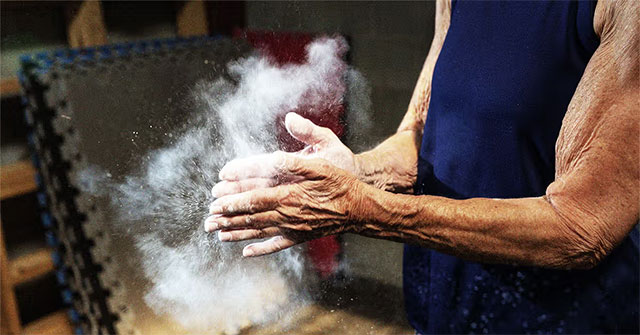
Why “fitness peaks at 35” is an oversimplification
The estimated peaks for aerobic capacity and muscular endurance fell between ages 26 and 36. Jump-test performance, used to assess muscle power, peaked earlier. Decline was generally slow at first and accelerated as participants grew older.
These are group patterns, rather than an individual forecast. Different abilities peak at different ages, and the results do not mean that a person becomes unhealthy at 35 or cannot improve after that age.
Activity later in life still matters
Higher activity in adolescence and becoming active during adulthood were associated with better performance. The study supports staying active across life, but it cannot promise a particular improvement from a particular workout. An observational association also cannot establish all the reasons active people performed better.
For everyday fitness, the US National Library of Medicine describes four useful activity types: aerobic exercise, strength work, balance practice and flexibility. People who have been inactive can begin slowly and build up according to their health and abilities.
The practical point is to maintain a manageable routine rather than chase the study’s average peak age. TipsMake also covers healthy habits as we age and activity and brain health in older adults.
The published SPAF paper explains the measurements and statistical estimates. Its results apply to this Swedish cohort and should not be treated as a universal timetable for physical aging.
Related Articles
 New Harvard University research reveals diet for health, longevity
 How AI Learns—and Why It Still Does Not Learn Like a Human
 Comprehensive research shows that the status of biological aging is slowing down
 Questions That Can Reveal the Truth About Your Aging Process
 Chimpanzees can revise beliefs when stronger evidence appears
 Dogs have the ability to think like humans, even smarter than children.
Reader Comments 0
Sign in with email or Google to join the discussion.