Table of Contents
Explore 5 things raspberry pi does better than any other computer.
But the Raspberry Pi quickly proved it could do much more. Even though there are countless single-board computers (SBCs) and other mini-PCs today, there are still things the Raspberry Pi does better than any competitor.
Build the project without causing any problems
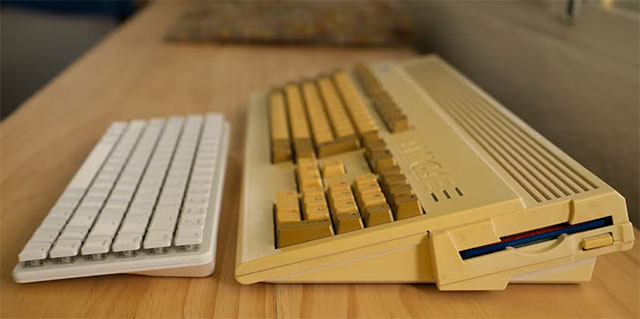
Aside from instances where the Raspberry Pi is used as a true PC and becomes the center of everything, most projects using the Pi are so imperceptible that you barely notice its existence. Inside is a fully functional computer that can be repurposed for any use, as long as it's within its processing power limits.
In many cases, you don't even need a protective case or active cooling. The Raspberry Pi can be neatly hidden almost anywhere, making it particularly suitable for 'headless' applications (no screen, no keyboard). While the current SBC market is much more competitive than when the Pi first launched, the Raspberry Pi is, to some extent, a victim of its own success. However, the Raspberry Pi Foundation now offers several different boards to compete directly, such as the Pi Zero – significantly cheaper but still capable of appearing in interesting projects like DIY handheld gaming consoles.
Hardware and GPIO tinkering capabilities
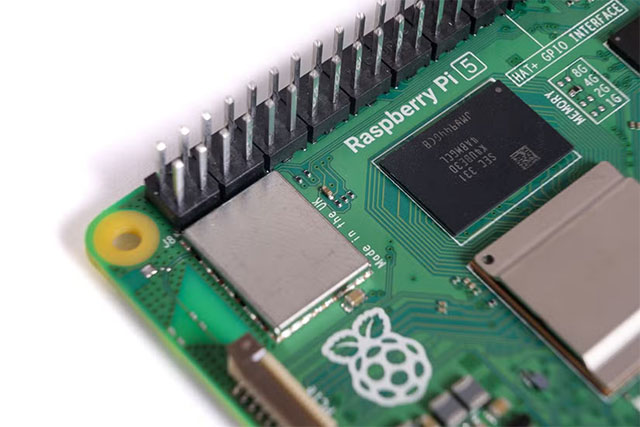
While you can absolutely use a Raspberry Pi like a regular computer (and I do too), there are many things that traditional PCs can't do right out of the box, while the Pi can. The GPIO (General-Purpose Input/Output) pins allow you to control, connect, and "sense" almost anything. As long as the device communicates via electrical pulses, the Raspberry Pi can be programmed to interact.
This is what makes the Raspberry Pi a favorite among the maker community and DIY enthusiasts. You have a versatile computer that also acts as a programmable microcontroller. While specialized platforms like Arduino are often the better choice for finished products, the Raspberry Pi is ideal for the development and testing phase. Once the project is complete, you can continue using the Pi or switch to a dedicated microcontroller if needed.
Encourage experimentation without fear of failure
From the beginning, the core philosophy of the Raspberry Pi was to be affordable enough that users wouldn't mind damaging or losing it. Using an SD card as the operating system installation location (though not the only option) made system recovery or switching between OS versions incredibly simple.
That's also why Raspberry Pi often appears in risky projects like DIY drones, for example Navio2, where the chance of crashing is very high. When the cost per experiment is low, people are more willing to take risks, and as a result, the community has more interesting ideas and products. Simply put, the more people try, the more cool things are born.
Ideal for 24/7 operation, quiet and energy-efficient
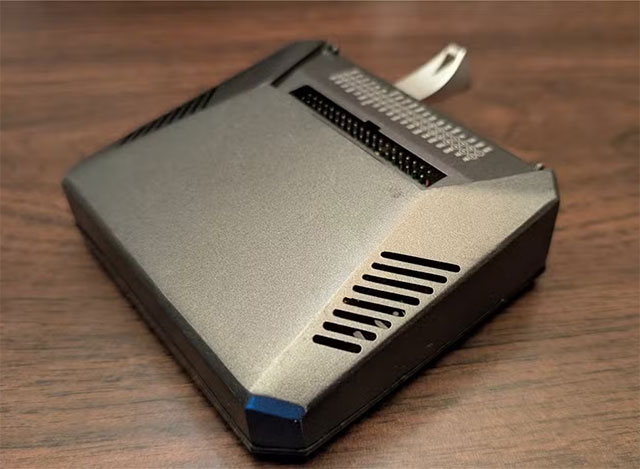
Raspberry Pi is known for its extreme power efficiency and typically doesn't require active cooling, unless you want to exploit maximum performance for extended periods. This makes the Pi a perfect choice for tasks that are always on, running 24/7, and only need to perform a few stable functions.
Combined with the almost indestructible durability of Linux, it's no surprise that Raspberry Pi is used as a home web server, a DIY NAS, or a network-wide ad blocker through projects like Pi-hole.
The Raspberry Pi ecosystem is larger than just the hardware
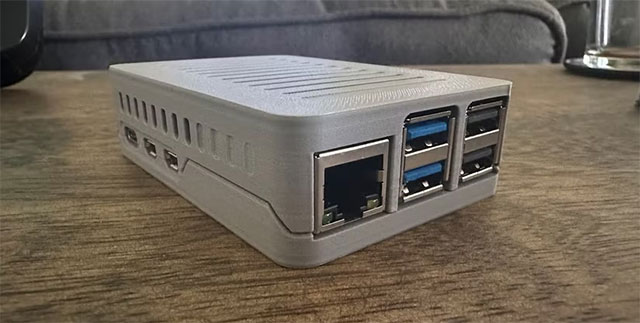
It could be argued that there are now many other SBCs that are direct alternatives to the Raspberry Pi – and that's absolutely true. In individual aspects, you can find a board that's faster, cheaper, or has more suitable ports for a particular project.
However, thanks to its first-mover advantage and immense popularity, the Raspberry Pi ecosystem is virtually unrivaled. The number of accessories, expansion modules, software, and community resources available for the Pi is enormous. This means that, overall, the Raspberry Pi offers far greater long-term value and flexibility than its competitors.
It also explains why you almost never need to 'discard' your old Pis when a new version comes out. Just transfer them to other tasks or niche projects, and you can rest assured that there will always be a supportive community.
Final Thoughts
Understanding 5 things raspberry pi does better than any other computer makes it easier to evaluate the information and apply the most relevant recommendations. Focus on the key points above and verify details that may change over time.
FAQ
What is 5 things raspberry pi does better than any other computer?
Explore 5 things raspberry pi does better than any other computer.
What key points does this article cover?
The article focuses on Build the project without causing any problems, Hardware and GPIO tinkering capabilities, Encourage experimentation without fear of failure, with practical explanations and examples.
How can you use this information in practice?
Use the explanations to compare options, verify important details, and make a more informed decision. Apply the recommendations that best match your goals and situation.
Related Articles
 How to Add an ADC to Raspberry Pi: What You Need to Know: Clear Instructions11 minutes read
 8 Things to Avoid to Not Damage Your Raspberry Pi8 minutes read
 26 Raspberry Pi Projects and Practical Uses13 minutes read
 What Is the Raspberry Pi and How Is the Raspberry Pi Used?7 minutes read
 How to Run, Raspberry Pi Emulator on Computer?5 minutes read
 Raspberry Pi 4 Officially Launched, Quad-core Cortex-a72 1.5 Ghz2 minutes read
Reader Comments 0
Sign in with email or Google to join the discussion.