Table of Contents
Three years of using both Philips Hue smart lights and smart switches in my home has completely changed my perspective.
Years ago, some people thought smart lights were the obvious choice. They were everywhere in marketing materials, they looked cool, and replacing regular bulbs and incandescent bulbs seemed like the easiest upgrade.
Three years of using both Philips Hue smart lights and smart switches in the home has completely changed many people's perspective. Smart switches still work day in and day out without any problems. For reliable and efficient lighting, many people turn to smart switches.
A Tale of Two Smart Lighting Systems
The setup will teach you everything
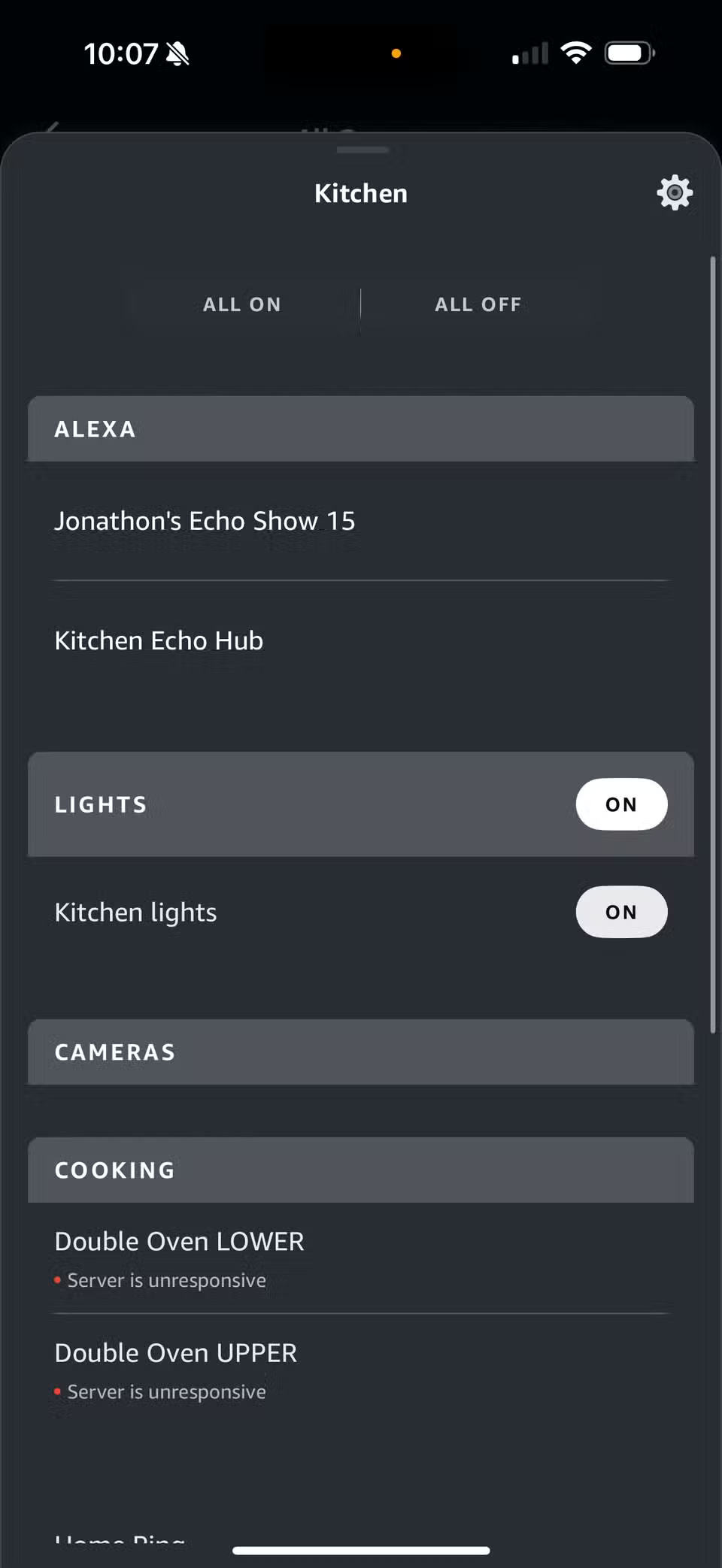
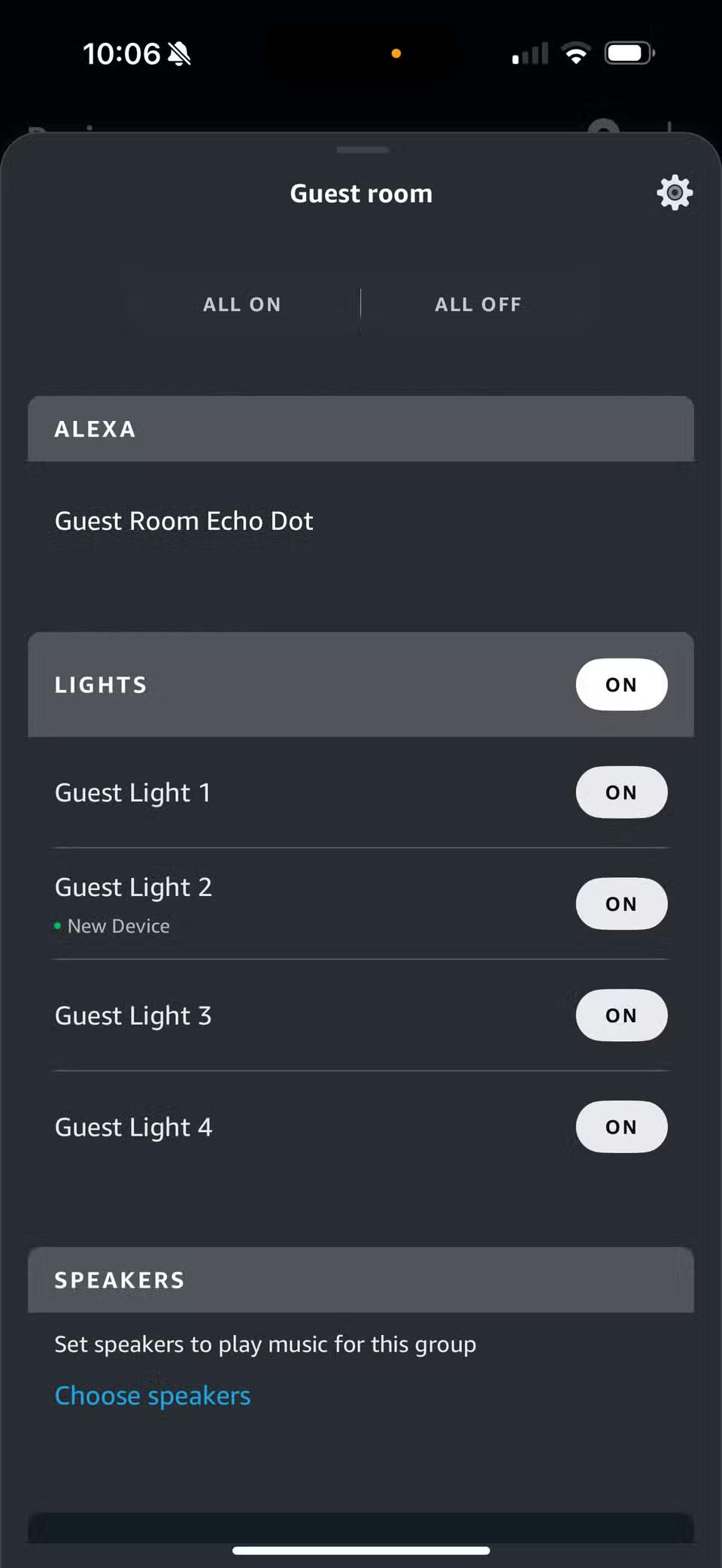
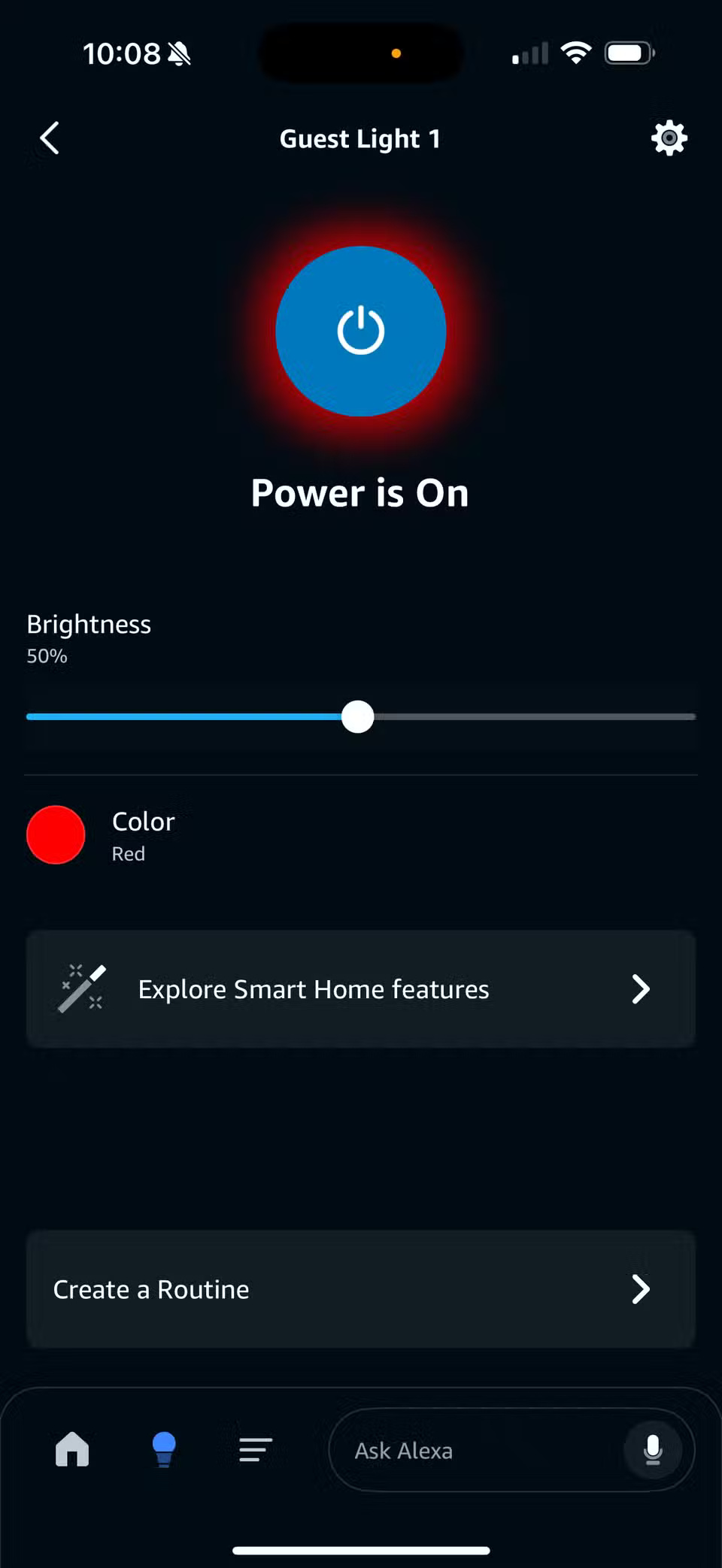
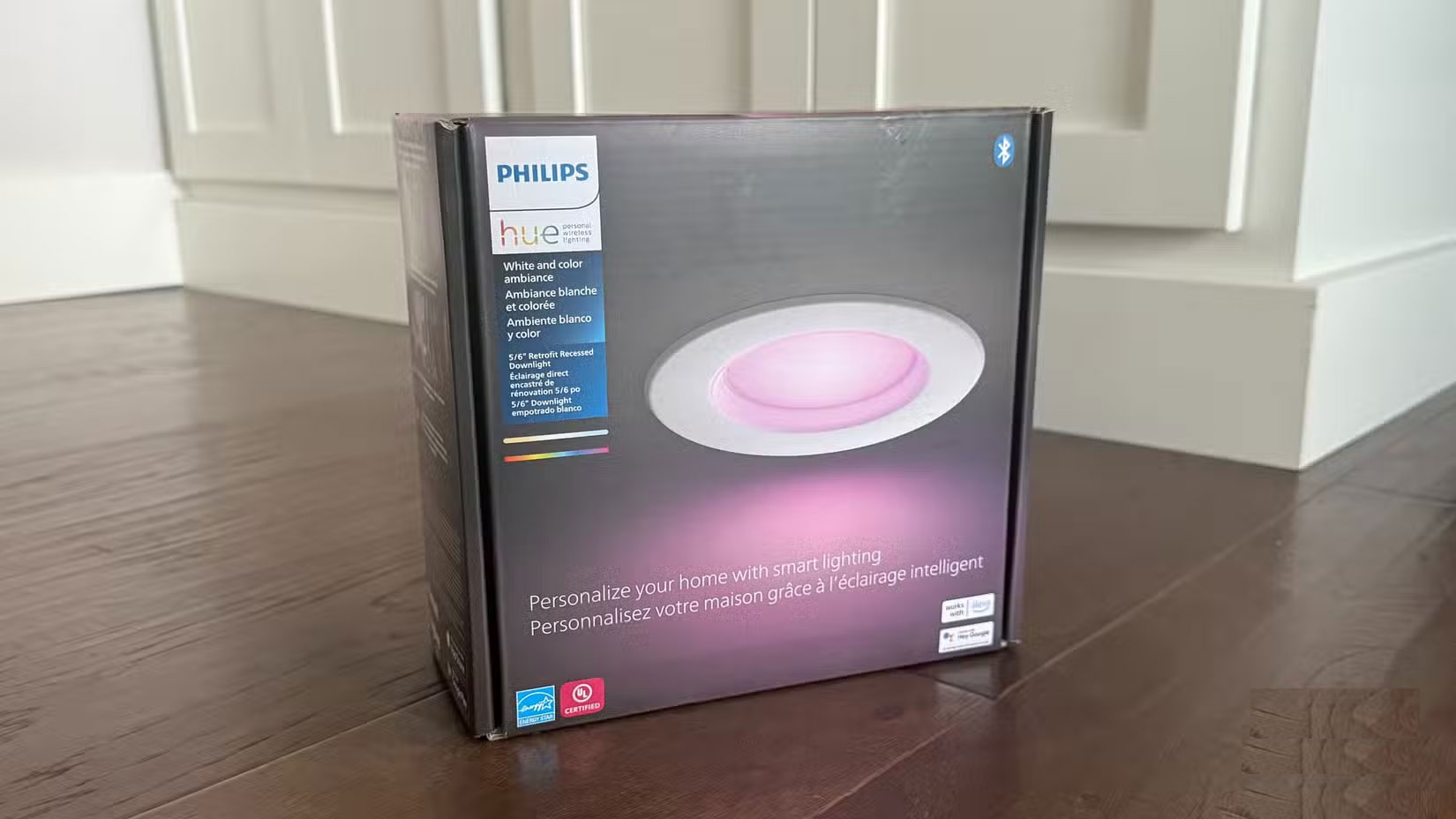
Both methods were tested. In the children's bedroom and large living room, the author installed Philips Hue White and Color Ambiance recessed downlights—four in each bedroom, retrofitted into existing can light housings. In the home office, gym, basement, and kitchen, the author used Amazon Basics smart dimmer switches that worked with existing light fixtures.
Both systems have held up well after three years, but day-to-day experience tells a different story. The smart switches are responsive, while the smart lights can sometimes be disappointing.
Basic errors of smart lights
Dependence on electricity ruins everything
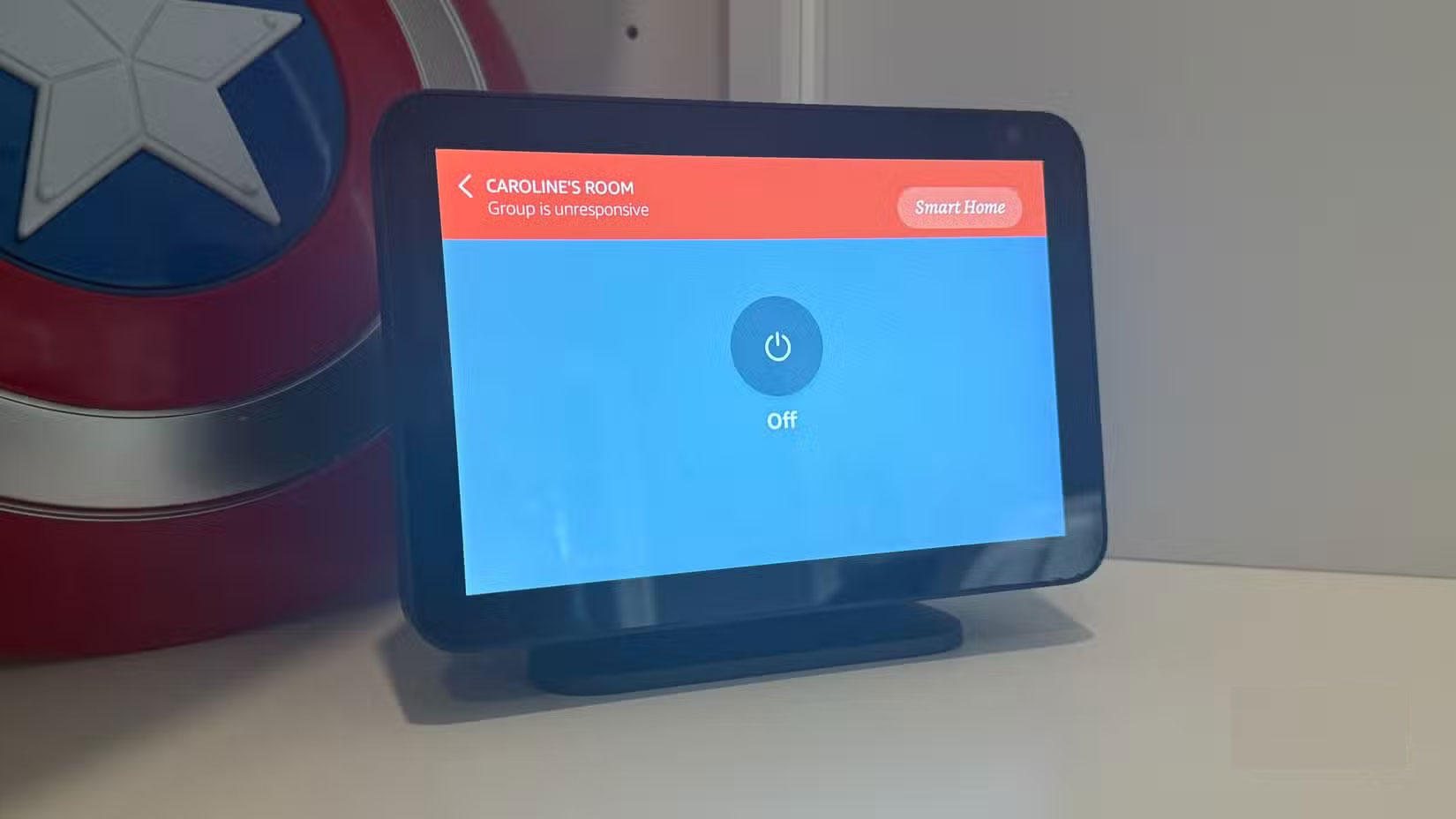
Here's a problem that doesn't get talked about much in smart light reviews: They need constant power to stay connected. Turn off the wall switch and an expensive smart light turns into a regular light bulb until someone manually flips the switch back on.
This created a number of problems. The Hue bulbs lost power more often than you might expect, and they almost always disconnected from the Hue Hub. Eventually, you had to open the Hue app to re-add each bulb before Alexa would work again. Wi-Fi smart lights I tested from other companies suffered from the same problem—they would power off the network and ignore commands until you reconnected them yourself.
This makes voice control frustrating. I ask, 'Alexa, turn on the bedroom lights,' expecting them to turn on, but Alexa just replies, 'The bedroom is not responding. Please check if the manual switch is on…' This leaves me trudging around the house, manually flipping switches, and hoping the bulbs will quickly reconnect. It defeats the entire purpose of a smart lighting system.
When are smart lights really useful?
Children's rooms are the exception.
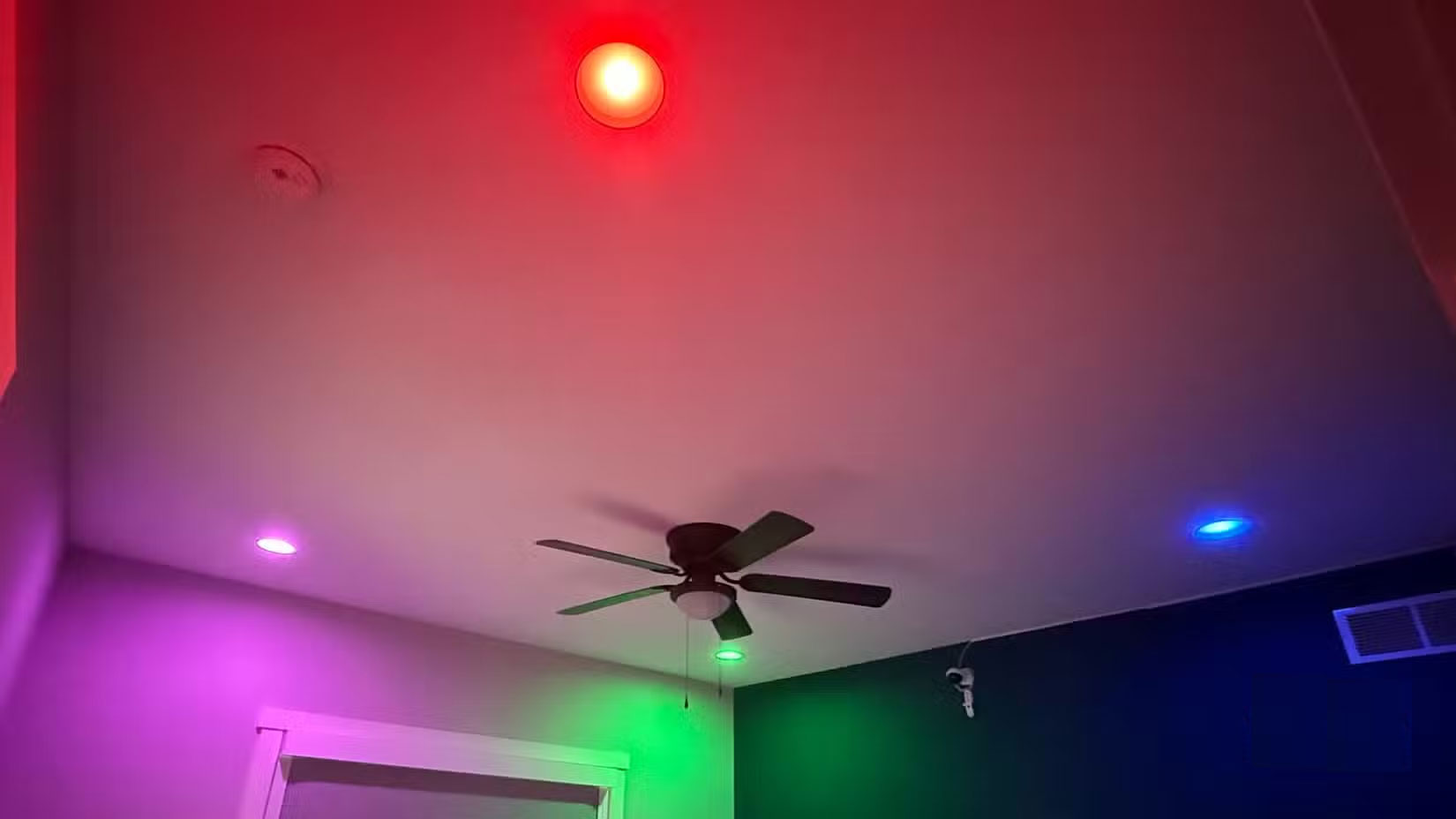
Don't be completely against smart lights. In a child's bedroom, Hue downlights are great. They're easy to install – they fit right into an existing recessed can. Smart lights also work better in rooms with 3-way switches, where installing a 3-way smart switch is too complicated. In those cases, smart lights are the easiest solution.
The lights dim at bedtime, and kids get excited every time they see the color change. Those color changes help them develop color recognition at a young age. Installing four separate downlights in each bedroom allows for different zones to be created – perhaps dimming one corner for quiet while keeping the rest lit for cleaning.
Hue bulbs are also great for creating a cozy atmosphere.
Why are smart switches superior to all?
Always convenient
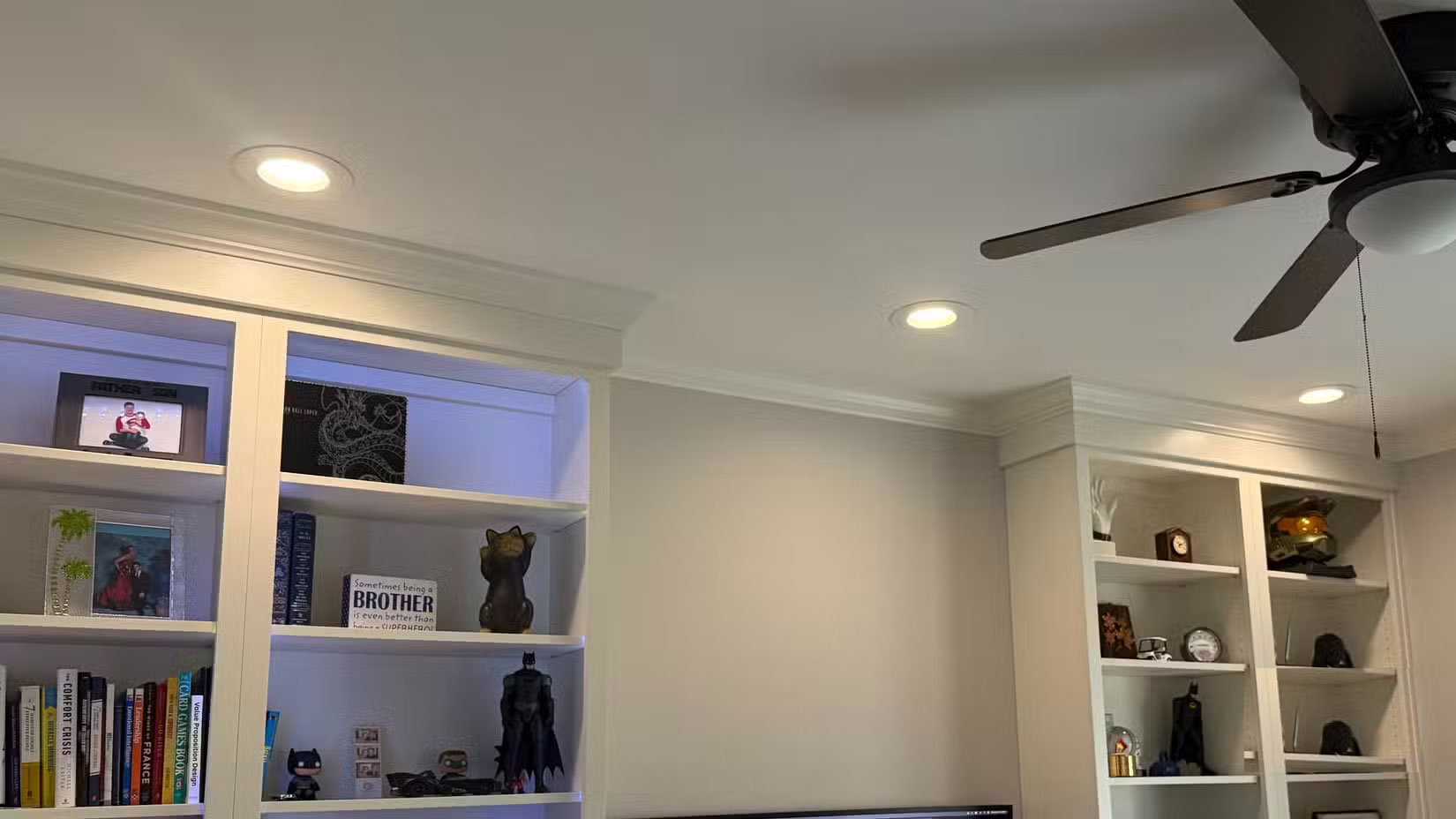
Smart switches permanently connect to your home's wiring, maintaining a stable power supply and network connection. Alexa responds instantly, and physical switches work just fine for anyone who prefers manual control.
Amazon Basics smart switches in your home office, gym, and kitchen never give you a headache about connectivity. Voice commands work instantly, and guests can turn on switches without breaking anything. No apps to troubleshoot, no bulbs to reconnect, and no hassle.
After a power outage, the smart switch automatically reconnects and resumes normal operation. Smart lights typically require manual intervention to resume operation.
Check the actual installation
It's important to remember that installing a smart switch requires basic electrical work. You're dealing with your home's wiring, figuring out which wires are hot, and you may need a neutral wire depending on your switch choice. So installing a smart switch requires more work than simply changing a light bulb.
Here's why it's worth it: You only need to wire the smart switch once, and it will manage all the lights on that circuit for years without issue. Smart lights will disconnect that every time someone touches the wall switch, creating a constant maintenance hassle that makes the initial wiring hassle worth the hassle.
If you're not comfortable working with electricity, hire someone who is. When you compare the cost of multiple smart lights to one switch per room, hiring a handyman is a no-brainer.
FAQ
Why Do Smart Switches Work Better Than Smart Lights: Explained?
In practical terms, three years of using both Philips Hue smart lights and smart switches in my home has completely changed my perspective.
What factors are most important?
The article highlights that smart switches still work day in and day out without any problems.
What is the main takeaway?
The main takeaway is that smart lights also work better in rooms with 3-way switches, where installing a 3-way smart switch is too complicated.
Related Articles
 4 Automation Features That Make Smart Lights Useful7 minutes read
 OliLight Climbing Lamp Sends an Alarm Signal When Disaster Strikes4 minutes read
 Homemade Ultra-light Light Switch, Only You Can Turn It On7 minutes read
 Cosmo's Bicycle Helmet Lights Will Warn Others When You Fall4 minutes read
 This Is Why You Should Use Smart Lights5 minutes read
 Tweaks to Make Your Old Smart TV Work Again8 minutes read
Reader Comments 0
Sign in with email or Google to join the discussion.