Table of Contents
Discover why are the 'forbidden zones' on mars causing even nasa to hesitate to explore and explore the main causes.
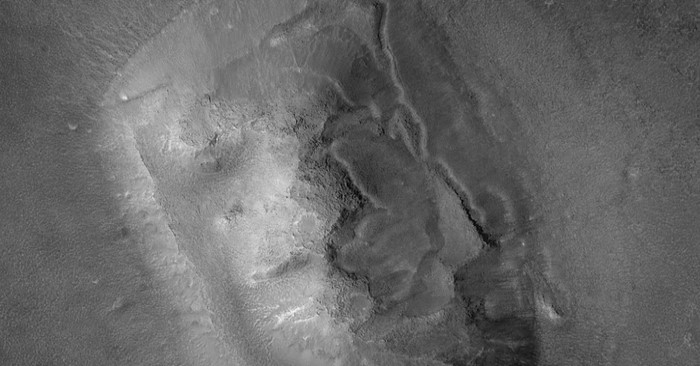
Mars, our neighboring red planet, has long been a focal point of attention for scientists and space enthusiasts. While many eagerly await the day humanity can venture beyond Earth, exploring Mars comes with significant challenges. In recent years, the intense focus on protecting the planet has sparked crucial discussions about which areas on Mars should be kept secret and not explored. A recent paper published in the Journal of Microbiology underscores the importance of understanding and preventing contamination in the search for extraterrestrial life. As we explore Mars, we must ask ourselves: how can we avoid jeopardizing the very discoveries we hope to make?
The Importance of Protecting the Planet: Why Strict Guidelines Are Needed
As we move toward exploring Mars and its potential for life, protecting the planet becomes increasingly important. The United Nations Outer Space Treaty, signed in 1967, has set forth strict guidelines to prevent contamination from Earth-based organisms. The treaty states:
'The States Parties to the Treaty shall pursue research into outer space, including the Moon and other celestial bodies, conducting explorations of them to avoid harmful contamination and adverse changes to the Earth's environment due to the introduction of extraterrestrial matter. Where necessary, appropriate measures for this purpose shall be taken.'
The above provision acknowledges that while seeking to explore other worlds, we must do so responsibly, ensuring that Earth's microorganisms do not interfere with the natural environment of these celestial bodies. Therefore, creating 'special zones' on Mars becomes an essential part of space exploration. These zones, where conditions could support microbial life, are particularly susceptible to contamination, making exploration prohibited unless strict safety precautions are in place.
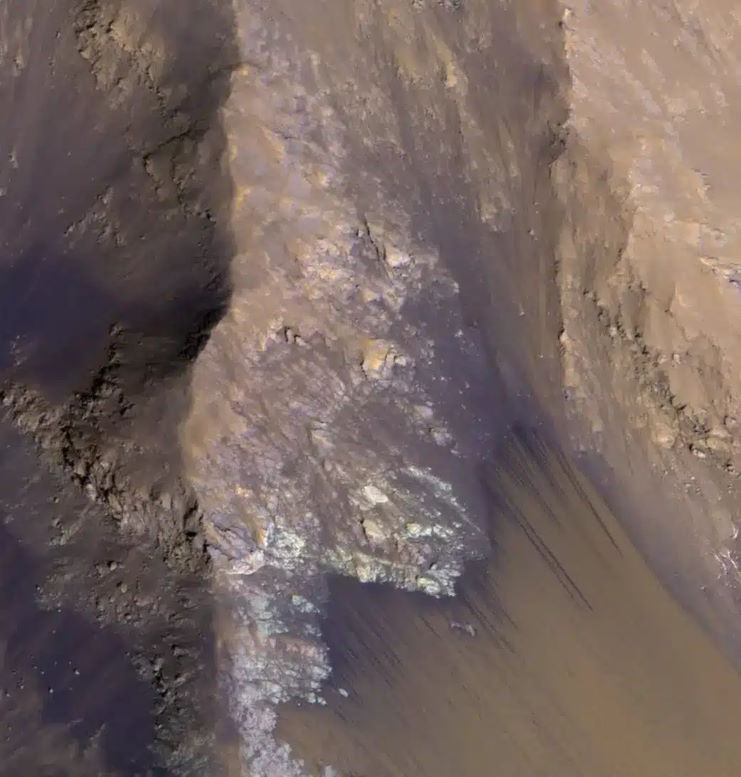
Special regions on Mars and their role in the search for life
According to the Commission on Space Research (COSPAR), Mars has several areas that could potentially support microbial life—areas they call ' special zones '. These are classified based on their potential to harbor life, if it exists.
The main concern here is that Earth organisms could thrive in a Martian environment, skewing any scientific findings. For example, it would be nearly impossible to distinguish between Martian life and Earth microorganisms once both begin to coexist in the same area.
Recent studies have also indicated that Mars may contain areas with higher potential for life, such as certain water-scarce regions, seasonal features known as repeating slopes (RSLs), or even subsurface environments. These areas offer exciting possibilities for life, but they are precisely the types of environments that explorers should avoid until the planet is free from Earth-related pollution.
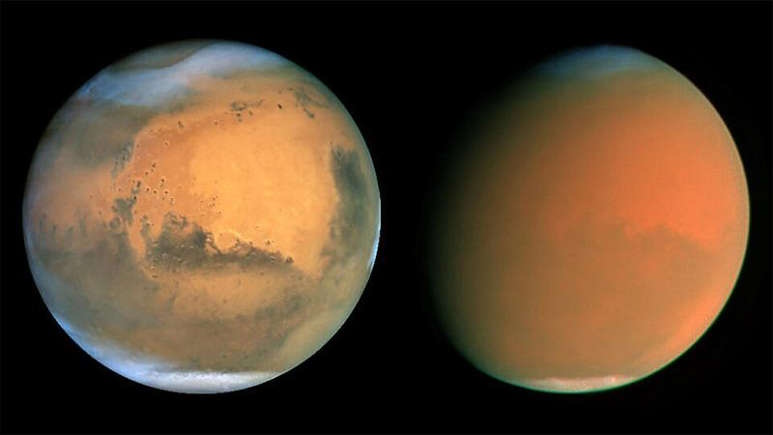
The challenges of Mars exploration
The idea of special zones developed from concerns about the development of microbial life under conditions similar to those on Earth. Conditions on Mars, while harsh, still allow for the possibility of life existing in microenvironments, particularly below the surface where liquid water can still exist in the form of salt solutions.
" The concept of Special Zones was developed as a way to designate places where conditions might be favorable for microbial growth as we understand this process. Specifically, this refers to areas that might be warm and humid enough to support microorganisms that could be brought from Earth by spacecraft ," COSPAR added.
These special areas may include regions suspected of containing groundwater reserves or areas with chemical compositions suitable to support life.
This makes exploring the surface areas of Mars more complicated. With increasing evidence from Earth suggesting that life can thrive in harsh conditions—such as craters and deep ocean trenches—it's possible that Mars harbors microbial life in ways we don't yet fully understand.

Final Thoughts
Understanding why are the 'forbidden zones' on mars causing even nasa to hesitate to explore them makes it easier to evaluate the information and apply the most relevant recommendations. Focus on the key points above and verify details that may change over time.
FAQ
What is why are the 'forbidden zones' on mars causing even nasa to hesitate to explore them?
Discover why are the 'forbidden zones' on mars causing even nasa to hesitate to explore and explore the main causes.
What key points does this article cover?
The article focuses on The Importance of Protecting the Planet: Why Strict Guidelines Are Needed, Special regions on Mars and their role in the search for life, The challenges of Mars exploration, with practical explanations and examples.
How can you use this information in practice?
Use the explanations to compare options, verify important details, and make a more informed decision. Apply the recommendations that best match your goals and situation.
Related Articles
 Looking Back at Nasa's Mars Exploration Process over the Past 204 minutes read
 Sign up Now and Always with NASA to Be SIGNED ASKED3 minutes read
 NASA Rover Shares Stunning Images of Mars' Moon Deimos3 minutes read
 NASA 'Mars' Helicopter Model Is Almost Ready for the Journey to4 minutes read
 Why Are Microorganisms Living 'So Tough' on Earth but Still Hard to Survive6 minutes read
 Even Mars-invading Robots Must 'Wash Their Hands' Before4 minutes read
Reader Comments 0
Sign in with email or Google to join the discussion.