Table of Contents
While Mars today is just a thin gaseous remnant, it may once have had an atmosphere hundreds of times thicker with three times the pressure of Earth.
Mars Overview
While Mars today is just a thin gaseous remnant, it may once have had an atmosphere hundreds of times thicker with three times the pressure of Earth.
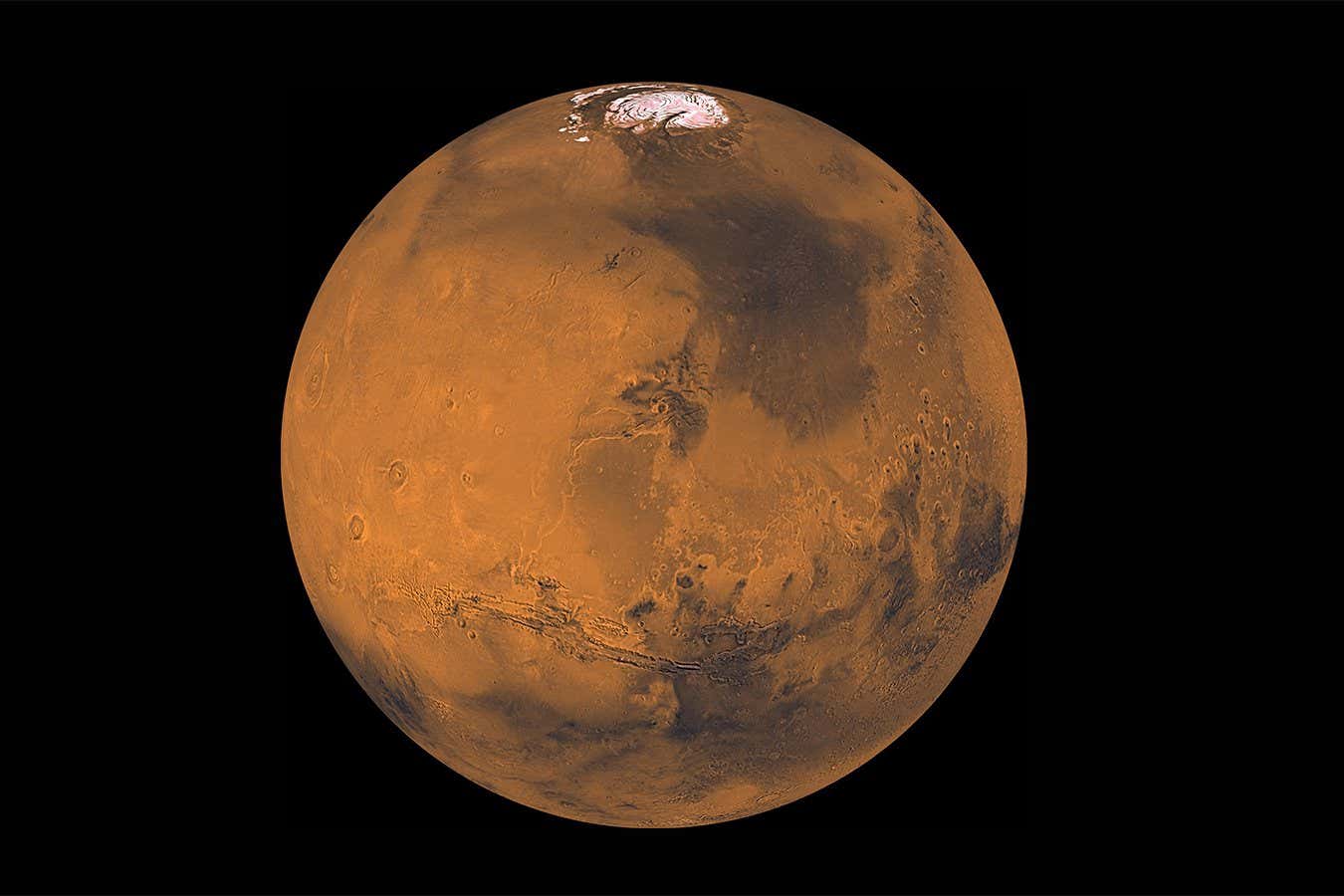
Mars' atmosphere may have once been hundreds of times thicker than it is today, acting like a blanket, protecting the planet from the asteroids that regularly ravage other planets.
While the Sun and most of the planets were still forming, about 4 million years after the Solar System began, Mars was already nearly complete. At this time, the planets existed in a large ball of hot gas and dust swirling around the young Sun, called the solar nebula, which some planets were able to temporarily absorb into their atmospheres. However, as the solar nebula retreated, it was thought that the planets would quickly lose this gas, reducing the density of their atmospheres.
Now, Sarah Joiret at the Collège de France in Paris and colleagues suggest that Mars may have held onto that gas for longer, forming a 'viscous' primordial atmosphere that persisted.
Soon after the nebula retreated, astronomers think the orbits of the giant planets Jupiter and Saturn shifted, and this disturbed the paths of comets and asteroids, sending them hurtling toward the solar system where they struck the rocky planets. you can find evidence of these bombardments in the chemical signatures of rocks on Earth and in our atmosphere, but the evidence for Mars is weaker.
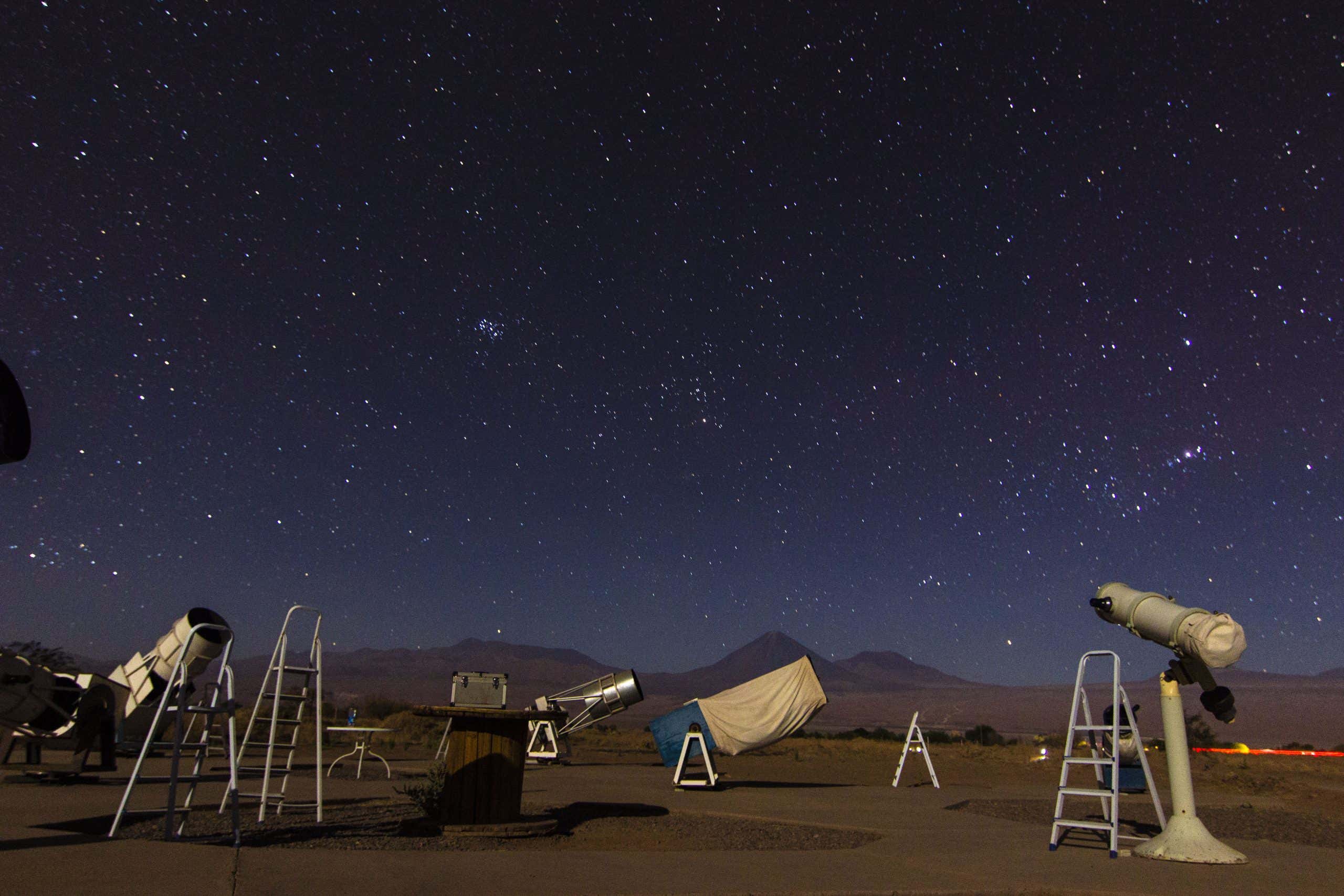
' All the terrestrial planets were hit by comets during this period, and Mars could not have avoided it, so we should have seen traces of cometary strikes on Mars ,' Joiret said at the Europlanet Science Congress in Helsinki, Finland, on September 11.
Joiret and her colleagues suggest that a dense hydrogen-rich atmosphere at the time could have diluted any cometary material absorbed by the planet. By estimating the amount of cometary material that would have reached Mars using simulations of the early solar system, and comparing it to the amount that actually arrived, they calculated the mass of Mars's primordial atmosphere, and found it was equivalent to a pressure of 2.9 bars, about three times the atmospheric pressure at Earth's surface today.
That said, this atmosphere would have been lost relatively quickly, within about a million years, and would have been largely gone by the time liquid water appeared on the surface of Mars, said Raymond Pierrehumbert of the University of Oxford at the conference. He was not involved in the study. The appearance of liquid water on Mars would have required different atmospheric conditions, including an abundance of carbon dioxide, that probably did not exist in that thick primordial atmosphere.
FAQ
What should you know about mars once had a thicker atmosphere than earth does today?
In practical terms, while Mars today is just a thin gaseous remnant, it may once have had an atmosphere hundreds of times thicker with three times the pressure of Earth.
Why does mars once had a thicker atmosphere than earth does today matter?
The article highlights that mars' atmosphere may have once been hundreds of times thicker than it is today, acting like a blanket, protecting the planet from the asteroids that regularly ravage other planets.
What is the main takeaway?
The main takeaway is that we can find evidence of these bombardments in the chemical signatures of rocks on Earth and in our atmosphere, but the evidence for Mars is weaker.
Related Articles
 Mars: Overview of the 4th Planet in the Solar System: Red Planet6 minutes read
 Crazy Idea: Create an Atmosphere for Mars5 minutes read
 There Are Major Changes in the Atmosphere of Mars3 minutes read
 NASA Explores New Ways to Return Mars Samples to Earth5 minutes read
 Why Are Microorganisms Living 'So Tough' on Earth but Still Hard to Survive6 minutes read
 Admire the Unique Photograph of the Moon and Earth Taken2 minutes read
Reader Comments 0
Sign in with email or Google to join the discussion.