Table of Contents
No bedtime drink reliably guarantees a good night's sleep. A small caffeine-free drink may fit a relaxing routine, while tart cherry juice has shown some promise in small studies. The evidence does not establish it as the best drink for everyone or a replacement for insomnia treatment.
What the tart cherry studies found
In one placebo-controlled pilot study, eight participants aged 50 or older with insomnia completed both study periods. Sleep measured in the laboratory was longer during the cherry-juice period, but several questionnaire outcomes did not show significant differences.
An earlier trial involving 15 older adults found modest effects on some measures, with no clear improvement over placebo on others. Both studies were small and short. Their results should not be turned into a promise that everyone will fall asleep faster or sleep a particular number of extra minutes.
The products, amounts, and schedules tested also matter. These trials do not establish that a casual sip, a different concentrate, or every cherry-flavored beverage has the same effect.
Why researchers are interested in cherries
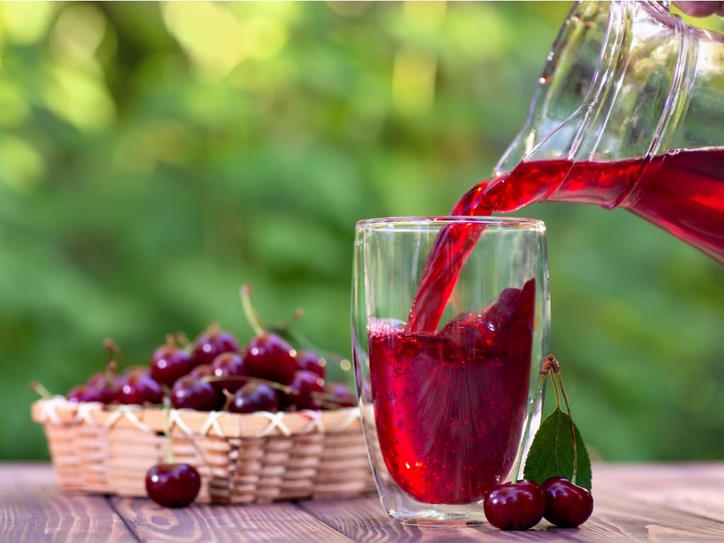
Tart cherries contain melatonin and plant compounds that may influence processes related to sleep. Researchers have also investigated pathways affecting tryptophan, an amino acid involved in producing serotonin and melatonin.
Those mechanisms help explain a research hypothesis. They do not establish a predictable effect from a nightly glass. A later pilot-study protocol highlights limitations of the earlier work, including short study periods and reliance on sleep diaries or a single laboratory night.
Choose a drink that suits your evening
- Water: a straightforward choice when you are thirsty; a large volume right before bed may increase bathroom trips.
- A caffeine-free warm drink: can be part of a calming routine if you enjoy it. Warmth alone is not a proven insomnia treatment.
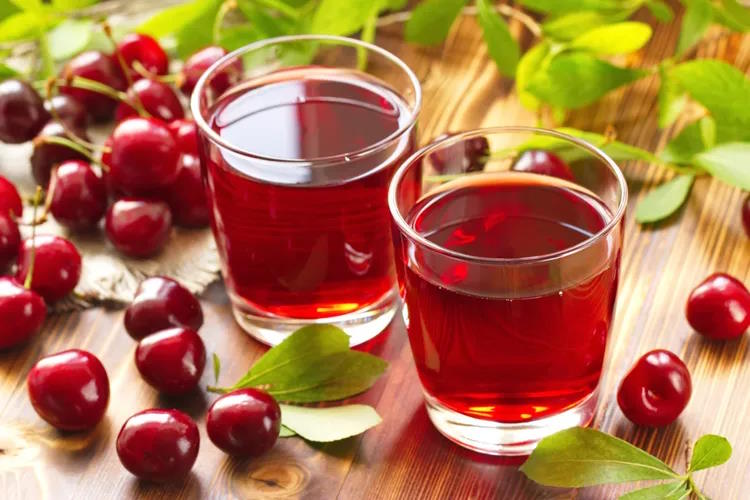
- Tart cherry juice: check the label for ingredients, sugar, serving size, and whether it is juice or concentrate. Consider dietary restrictions rather than treating it as medicine.
Avoid adding caffeine or alcohol to a drink intended for bedtime. Do not assume that an herbal product or a “sleep mocktail” is effective or suitable simply because its ingredients sound natural.
Keep the routine more important than the recipe
Try a comfortable cup and a modest serving if you enjoy the ritual. You can dilute tart juice for taste, but that is a flavor choice, not a validated sleep-enhancing recipe. Avoid forcing extra fluids when you are not thirsty, and follow any fluid limits given by your clinician.
Keep consistent bed and wake times and allow enough sleep opportunity. The evening-routine guide offers preparation ideas; sleep tips for travel address maintaining a routine away from home.
If sleep problems persist, discuss them with a healthcare professional rather than repeatedly trying new beverages. The NIH's insomnia guidance describes established approaches and habits that support sleep.
Related Articles
 Detailed tips for surviving 99 nights in 99 Nights in the Forest
 Should drink milk at the best time
 How to Survive the Bat in 99 Nights in the Forest
 '4-7-8' method helps you quickly get a good night's sleep as a child
 Why are you still tired when you get enough sleep?
 What You Need to Know About Sleep Needs by Age
Reader Comments 0
Sign in with email or Google to join the discussion.