Table of Contents
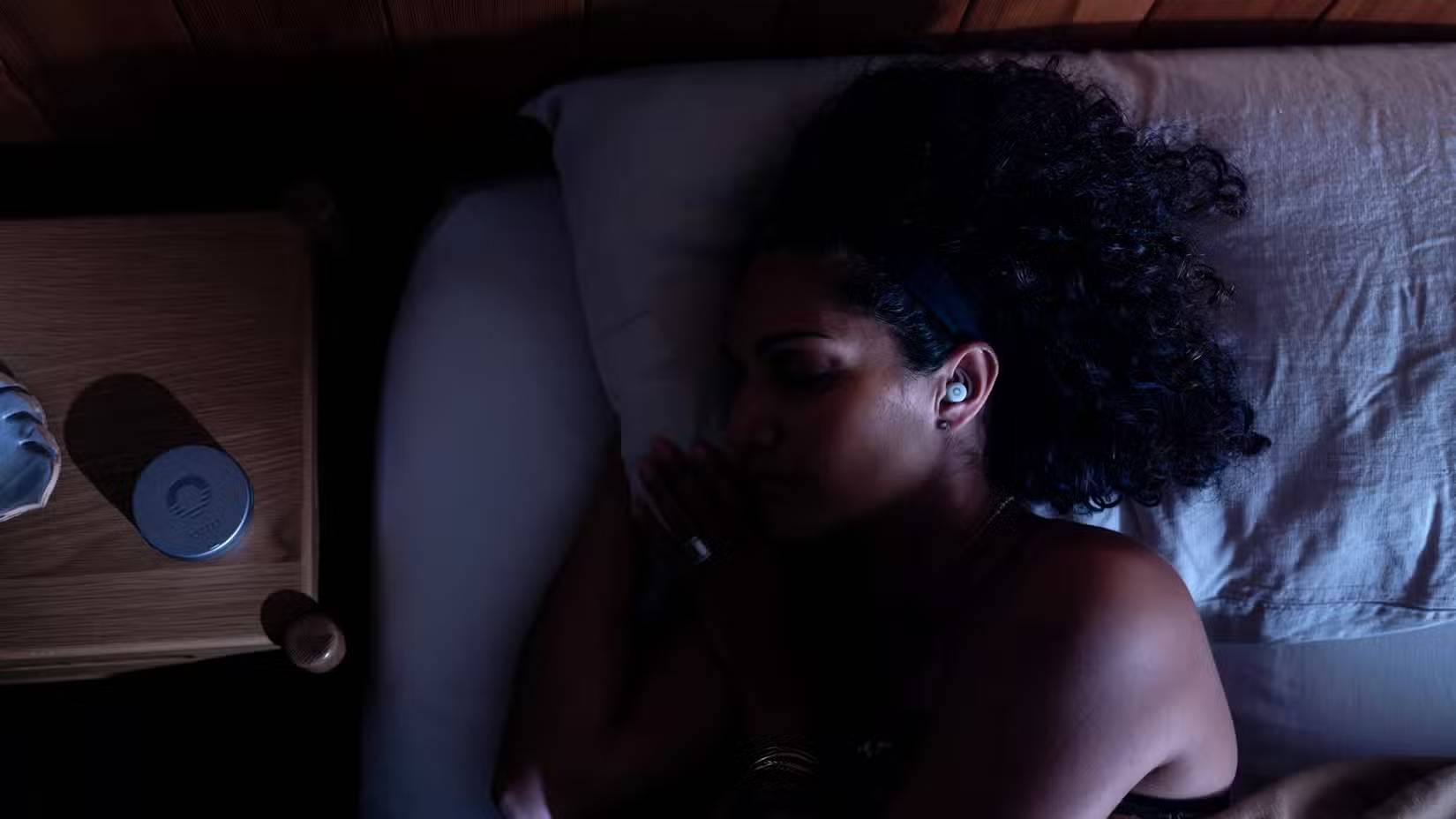
Ozlo Sleepbuds are small earbuds designed for listening while resting. They combine passive noise blocking from their ear tips with masking audio intended to make disruptive sounds less noticeable. They are a listening device to consider for a noisy bedroom, not a guaranteed solution to sleeplessness.
Noise masking is different from active noise cancellation
The ear tips form a physical barrier that reduces some outside sound. Masking audio adds a chosen sound, such as a steady soundscape, to make remaining disturbances less prominent. Ozlo describes this approach as passive blocking plus noise masking, rather than active noise cancellation.
That distinction matters if you expect silence. A passing vehicle, a loud voice or snoring may still be audible, depending on fit, the sound and the environment. Turning the volume up is not a substitute for a comfortable seal.
Fit matters, especially for side sleepers
The low-profile design and soft tips are intended to reduce bulk against a pillow. Multiple tip sizes help users find a fit, but no earbud shape is guaranteed to suit every ear.
Check comfort in your usual sleeping position. The buds should feel secure without pressure or pain. Follow the manufacturer’s fitting and cleaning instructions, and stop wearing them if they cause irritation.
What the app and Smart Case do
The Ozlo app manages setup, sound selection and supported features. For streaming, the system uses the Smart Case as part of the connection between your phone and the earbuds. Keep the case positioned according to the product’s range instructions rather than assuming the buds connect like ordinary standalone Bluetooth headphones.
Depending on the model and software, features can include built-in masking sounds, streaming, an in-ear alarm and an automatic transition from streaming to masking when sleep is detected. Sleep detection is an algorithmic estimate; it does not mean the earbuds know your exact sleep state.
Check the manufacturer’s product support for the version you plan to use. App compatibility, firmware features and battery specifications can differ across product generations.
Sleep data needs careful interpretation
Supported Sleep Patterns features combine earbud information with environmental readings from the case. This may help you look for patterns, but a consumer sleep score is not a diagnosis or a substitute for a clinical assessment.
Review which sensors are enabled, how information is synchronized and the current privacy policy before turning on tracking. Ozlo’s Sleep Patterns support information describes setup, sensors and data handling.

What to check before buying
- Your main problem: Masking bedroom noise is different from addressing persistent insomnia, breathing problems or an uncomfortable sleep schedule.
- Comfort: Check the available sizes and return terms so you can assess the fit.
- Battery and charging: Read the specification for the exact generation, including the effect of streaming and tracking.
- Awareness: Consider whether you need to hear a child, another person or an alarm. Do not assume any sound-masking product preserves awareness of every important sound.
- Cost: Check the current price and any optional service terms. An old discount or bundled subscription should not drive the decision.
If you are comparing designs, this overview of common headphone types provides background on their physical differences. A smaller earbud may be more comfortable in bed, but personal fit still determines usability.
Persistent sleep difficulty or significant daytime sleepiness deserves a discussion with a healthcare professional. Do not rely on masking audio to diagnose or treat the underlying cause.
Related Articles
 10 dangerous dangers of not getting enough sleep
 Sleep disorders increase the risk of Parkinson's in men
 5 things you may not know about sleep
 Sleeping less than 7 hours a day increases the risk of obesity
 What Happens to Your Body When You Do Not Get Enough Sleep?
 12 causes of insomnia that you never expected
Reader Comments 0
Sign in with email or Google to join the discussion.