Table of Contents
Missing sleep affects more than your energy level. It can make it harder to concentrate, remember information, manage emotions and react quickly. With more severe or prolonged sleep loss, involuntary brief sleep episodes and changes in perception can occur. These effects do not follow a reliable five-stage timetable.
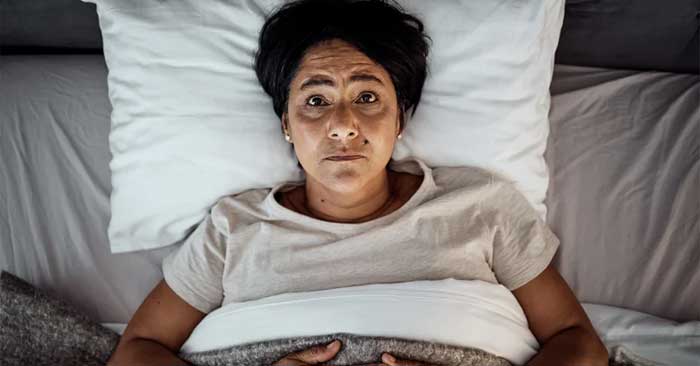
Attention, memory and mood become less reliable
After a poor night's sleep, tasks that normally feel easy can require more effort. You may lose your place while reading, overlook details or respond more slowly. Irritability and difficulty handling stress can also affect decisions and interactions with other people.
Repeatedly getting too little sleep can accumulate these problems. Feeling accustomed to a short night does not necessarily mean your performance has recovered. The NHLBI's guidance on sleep deficiency describes effects on learning, concentration, decision-making and reaction time.
Microsleeps can happen without you noticing
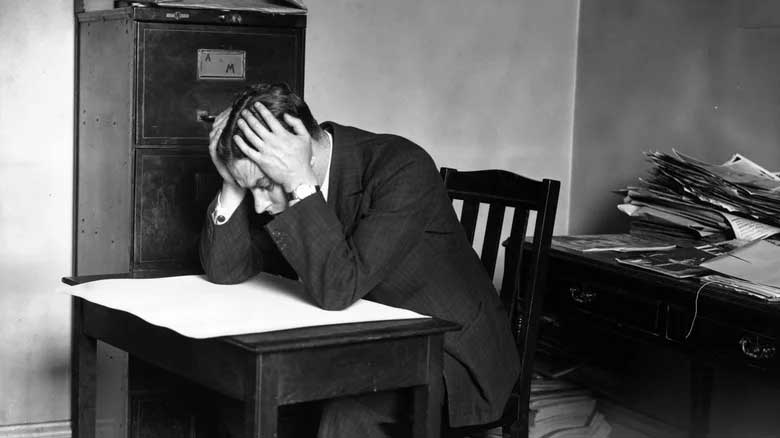
A microsleep is a brief, involuntary episode of sleep. You may not realize it happened. Losing awareness for even a short time is dangerous while driving, using machinery or performing another task that requires continuous attention.
Do not rely on willpower to stay alert. If you are too sleepy to drive safely, stop and arrange another way to travel. CDC guidance on driver fatigue explains why inadequate sleep is a safety risk. Caffeine does not replace sleep or guarantee that you can drive safely.
Severe sleep loss can affect perception
Hallucinations can occur with sleep deprivation, but they can also have other causes. There is no dependable rule that they begin exactly 24 hours after your last sleep. Avoid treating an hour-by-hour chart as a diagnosis or as a safe limit for staying awake.
Seek medical advice if you are seeing or hearing things others do not. Sudden confusion, rapidly worsening hallucinations, or risk of harm to yourself or someone else requires urgent help. The NHS guidance on hallucinations explains these warning signs.
Ongoing sleep deficiency affects physical health
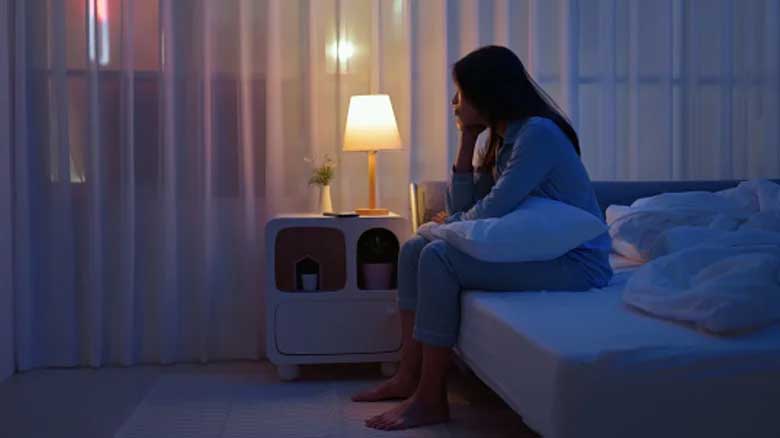
Sleep supports processes throughout the body, including metabolic and immune function. Over time, insufficient sleep is associated with a higher risk of conditions such as high blood pressure, heart disease, obesity and diabetes. That is different from saying that one sleepless night damages every organ. See the NHLBI explanation of why sleep matters for the broader context.
What to do if you are repeatedly short of sleep
Make room for a regular sleep schedule and a quiet wind-down period. If phone use keeps pushing bedtime back, use Android's screen-time and bedtime tools or an iPhone sleep schedule to reduce interruptions. These tools support a routine; they do not treat a sleep disorder.
If you cannot sleep despite having enough opportunity, regularly struggle to stay awake during the day, or have concerning symptoms such as loud snoring with breathing pauses, discuss them with a healthcare professional. The cause and appropriate treatment matter more than trying to push through another sleepless night.
Related Articles
 11 Mysteries Happen in the Body When We Sleep11 minutes read
 10 Dangerous Dangers of Not Getting Enough Sleep: Lack of Sleep8 minutes read
 Good Sleep: Corpse Pose Helps Sleep Well and Regenerate Energy4 minutes read
 Discover 9 Mysteries That Happen in the Body When Falling Asleep7 minutes read
 What You Need to Know About Sleep Needs by Age8 minutes read
 Why Do We Often Feel Thirsty Before Going to Sleep4 minutes read
Reader Comments 0
Sign in with email or Google to join the discussion.