Table of Contents
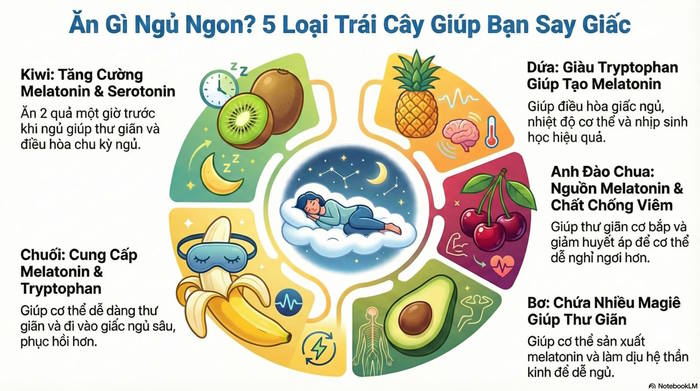
Kiwi and tart cherry juice have been investigated in small sleep studies, but no fruit is a guaranteed insomnia treatment. A comfortable light snack may fit your evening routine; eating a large amount of fruit or juice to chase a sleep effect is not supported by the evidence discussed here.
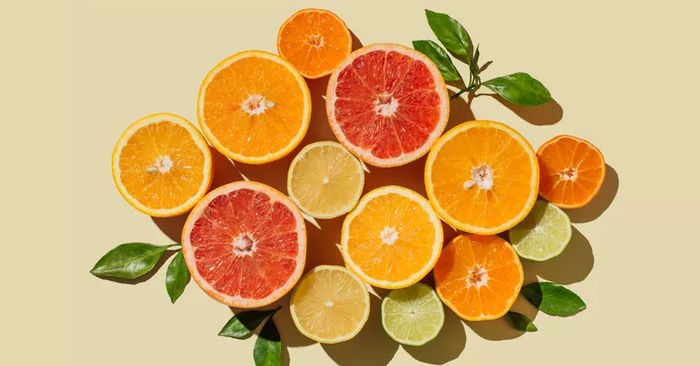
Kiwi: promising findings from a small study
A 2011 study followed 24 adults with sleep problems who ate two kiwifruits one hour before bedtime for four weeks. Some measured and reported aspects of sleep improved.
Participants were compared with their own earlier sleep, rather than with a separate placebo group. That limits how confidently the changes can be attributed to kiwi. The study’s serving and timing describe the experiment; they do not establish an ideal bedtime prescription for everyone.
Tart cherries: juice studies are not proof for every product
A 2018 pilot trial reported improvements in sleep time among eight participants who completed the study. Its small size means the findings need careful interpretation and larger studies.
Whole sweet cherries, tart cherry juice, and concentrated juice are different products. Results for one preparation should not be assumed to apply equally to all of them. Follow a concentrate’s dilution directions; there is no basis here for recommending hundreds of milliliters of undiluted concentrate.
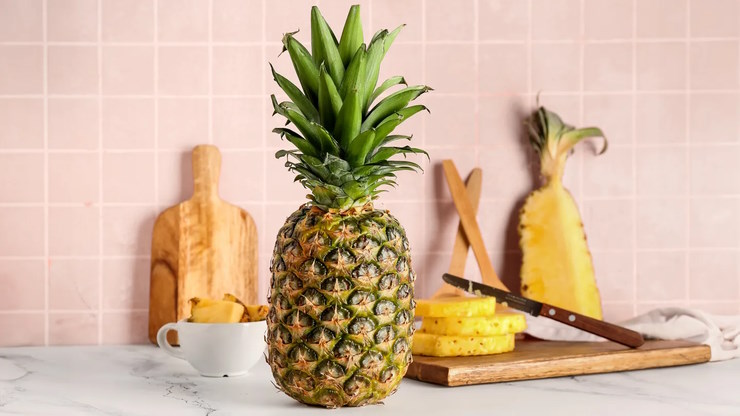
Pineapple and bananas: melatonin measurements are not sleep outcomes
A 2013 study of 12 healthy men measured blood melatonin and antioxidant activity after pineapple or orange juice, or two bananas. It did not establish that these foods improved sleep duration, insomnia, or next-day function.
A change in a biological marker is useful for studying a mechanism, but it cannot substitute for measuring the outcome readers care about. The large fruit quantities used in that experiment are not a recommendation for a nightly snack.
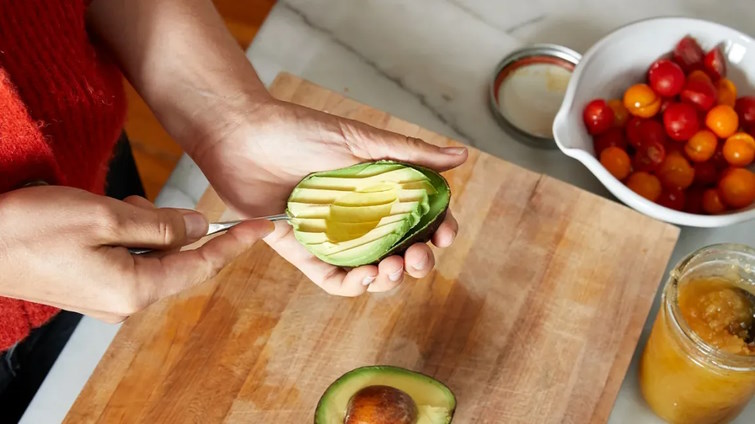
Avocado: a food choice, not a proven sleep remedy
Avocado provides nutrients, including fiber and magnesium. Nutrient content alone does not establish that a whole avocado before bed treats sleep problems. Nor does it demonstrate that eating the fruit produces the same effects as a medicine or a studied supplement.
How to choose a bedtime snack
If you are hungry, choose a small portion of food you tolerate. A snack should not cause discomfort, worsen reflux, or replace a balanced diet. There is no need to force yourself to eat before bed if you are comfortable without it.
The NHLBI’s sleep guidance allows a light snack while recommending avoiding heavy meals close to bedtime. It also emphasizes regular sleep times, a quiet and dark room, and avoiding late caffeine and alcohol.
TipsMake’s guide to maintaining sleep habits while traveling covers changes in routine and surroundings. Its overview of sleep-tracking apps offers tools for recording patterns, although an app is not a diagnosis.
If sleep difficulties persist, affect daytime functioning, or accompany loud snoring or breathing pauses, discuss them with a clinician. Changing fruit choices alone may not address the cause.






Reader Comments 0
Sign in with email or Google to join the discussion.