Table of Contents
What is so special about the Russian cancer vaccine Pembroria that it has been licensed for use in Vietnam? The Russian cancer vaccine has truly brought hope to those who are unfortunately suffering from terminal illnesses.
What is so special about the Russian cancer vaccine Pembroria That it has been licensed for use in Vietnam? The Russian cancer vaccine Has truly brought hope to those who are unfortunately suffering from terminal illnesses.
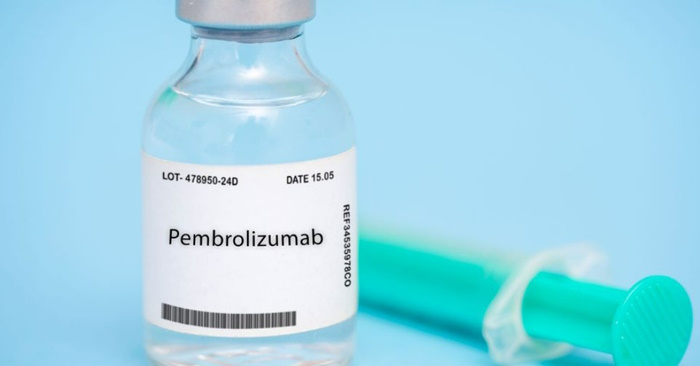
If you are unfortunate enough to have cancer, weighing your treatment options and figuring out the best option can be difficult. It is great that there are cancer vaccines available. One of the prominent names, recently licensed in Vietnam, is pembrolizumab (Keytruda) or Pembroria.
What is the Russian cancer vaccine Pembroria?
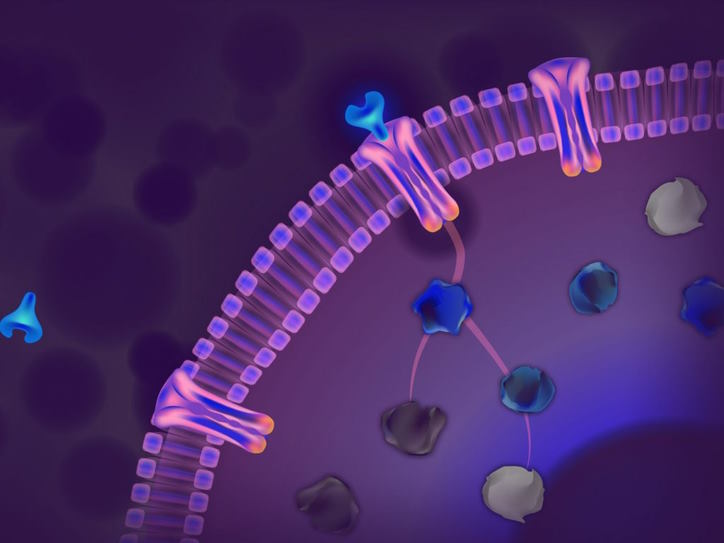
Pembrolizumab is an immunotherapy drug. It helps the body's immune system recognize and eliminate cancer cells. It belongs to a class of drugs called immune checkpoint inhibitors and works by blocking the PD-1 pathway, which helps prevent immune cells from harming normal cells. By blocking this pathway, pembrolizumab allows the immune system to recognize and destroy cancer cells more effectively.
Pembrolizumab works by training the immune system to better recognize cancer in the body. Simply put, it's like cancer can hide from your immune system by waving a flag that says it's a normal part of your body. When the immune system sees this flag, it's fooled into thinking the cancer belongs there, so it ignores it. Pembrolizumab covers up the flag, so the immune system sees the cancer cells as something your body needs to get rid of.
Benefits of Pembroria
Pembroria is approved to treat several different types of cancer. It may be used alone or in combination with other cancer treatments, such as chemotherapy, depending on the stage and type of cancer.
You may be taking Pembroria if you have:
- Advanced or metastatic melanoma, non-small cell lung cancer, head and neck cancer, Hodgkin lymphoma, kidney cancer, or bladder cancer.
- Not responding well to or not tolerating other treatments such as chemotherapy or radiation therapy.
- Cancers have the PD-L1 biomarker (flag in the example above).
Note that Pembrolizumab is not used for all types of cancer. You may need further testing to make sure it is right for you.
How to use Pembroria
Pembroria is given through an intravenous (IV) line in a hospital. Most people are scheduled for infusions every three to six weeks. The infusion itself takes about 30 minutes, so bring a book, music, or other form of entertainment.
Drink plenty of water before and after your treatment to stay hydrated and notify your healthcare professional if you have any new or unusual symptoms afterward.
Side effects that may occur when taking Pembroria
Like all medicines, pembroria can cause side effects that range from mild to severe. The timing of side effects may vary from the time they typically appear when taking the medicine. Side effects usually take several weeks to appear. Some side effects tend to appear early in treatment, while others can take up to several months.
Common side effects include:
- Tired
- Rash or itching
- Diarrhea
- Thyroid problems
- Hepatitis
Less common but serious immune-related side effects include:
- Pneumonia
- Kidney irritation
- Enteritis
- Pancreatic irritation
If you experience serious side effects such as difficulty breathing, severe stomach pain, or infections such as fever or chills, contact your doctor immediately.

Pembrolizumab can help treat your cancer, but you should also do the following to get the best results from your treatment:
- Focus on a balanced diet Rich in fruits, vegetables, whole grains and lean proteins to support your immune system.
- Stay active . Gentle exercises like walking or yoga can help control fatigue and improve your mood. However, listen to your body and rest when needed.
- Consider joining a support group or talking to a counselor to manage stress. Cancer treatment can cause emotional challenges.
FAQ
What should you know about russia's cancer vaccine explained?
In practical terms, what is so special about the Russian cancer vaccine Pembroria that it has been licensed for use in Vietnam? The Russian cancer vaccine has truly brought hope to those who are unfortunately suffering from terminal illnesses.
Why does russia's cancer vaccine explained matter?
The article highlights that the Russian cancer vaccine has truly brought hope to those who are unfortunately suffering from terminal illnesses.
What is the main takeaway?
The main takeaway is that what is the Russian cancer vaccine Pembroria.
Related Articles
 US: Breakthrough Kidney Cancer Vaccine Development3 minutes read
 HPV Vaccine 2026: Complete Guide5 minutes read
 DNA Vaccine with Immunotherapy Can Treat HPV3 minutes read
 Breakthroughs Open up New Hope in the Fight Against Cancer: Explained6 minutes read
 What Is Rota Vaccine? Things to Know About Rota Vaccine: Complete Guide4 minutes read
 The 'Gamvid-19 Vaccine Gamble' and the Memory of Vietnam's26 minutes read
Reader Comments 0
Sign in with email or Google to join the discussion.