Table of Contents
The HPV 2026 vaccine will be included in the expanded immunization program for free. Here's what you need to know about the HPV vaccine.
The HPV 2026 vaccine Will be included in the expanded immunization program for free. Here's what You should know about The HPV vaccine .
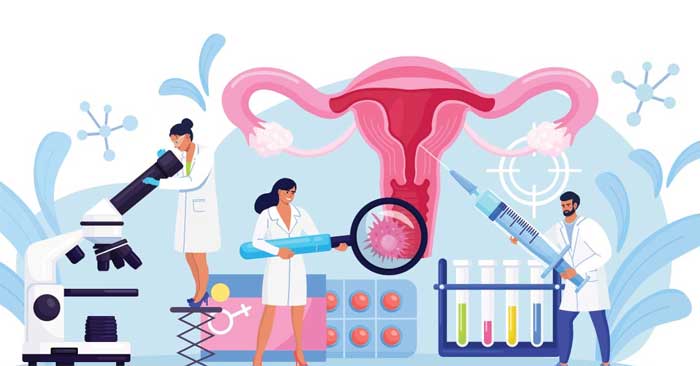
What is HPV?
Human papillomavirus (HPV) is one of the most common sexually transmitted infections (STIs) worldwide, and by the age of 45, approximately four in five people have been infected with HPV at least once. In 90% of people, the body clears the virus on its own; however, in some people, HPV can cause cancer, including cervical cancer.
The link between HPV and cancer
HPV infection is associated with 90% of cervical cancers and a significant proportion of other cancers including anal, vaginal, vulvar, penile, and oropharyngeal cancers.
HPV infects cells in the cervix (lower part of the uterus) and changes the way they communicate with each other and how they reproduce; in some people, infected cells multiply out of control, leading to cancer.
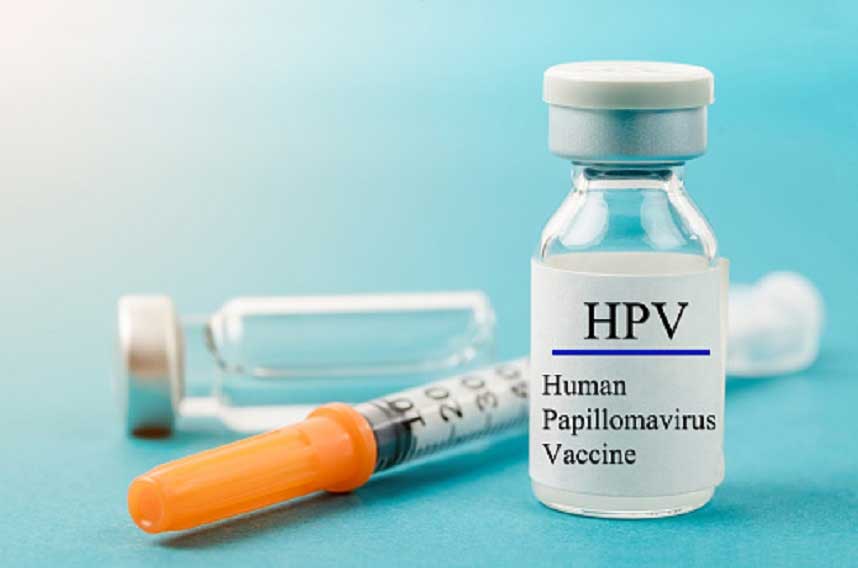
Why should you get the HPV vaccine?
The HPV (human papillomavirus) vaccine can prevent infection from some types of HPV. HPV infection can cause many types of cancer, including:
- Cervical, vaginal, and vulvar cancer in women
- Penile cancer in men, anal cancer in both men and women
- Throat, tonsil, and tongue base cancer (pharyngeal cancer) in both men and women
- HPV infection can also cause genital warts.
The HPV vaccine can prevent more than 90% of HPV-related cancers. HPV infection is so common that almost everyone will get at least one type of HPV at some point in their lives. Most HPV infections clear up within 2 years. But sometimes HPV infections last longer and can lead to cancer later in life.
Who can get the HPV vaccine?
- The HPV vaccine is not given during pregnancy.
- The HPV vaccine is not recommended for people who had an allergic reaction after the first dose of HPV, or if they had a severe, life-threatening allergic reaction.
- Additionally, people with moderate or severe illness should wait until they are better to get the HPV vaccine.
How many types of HPV vaccines are there?
In Vietnam, there are currently only 2 types of HPV vaccines being used:
- Cervarix (Belgium): Prevents HPV types 16 and 18, which are viruses that can cause cervical cancer.
- Gardasil (USA): Prevents HPV types 6, 11, 16 and 18. In addition to preventing cervical cancer, vaginal cancer and anal cancer, this vaccine also helps prevent HPV types 6 and 11, which are the viruses that cause genital warts.
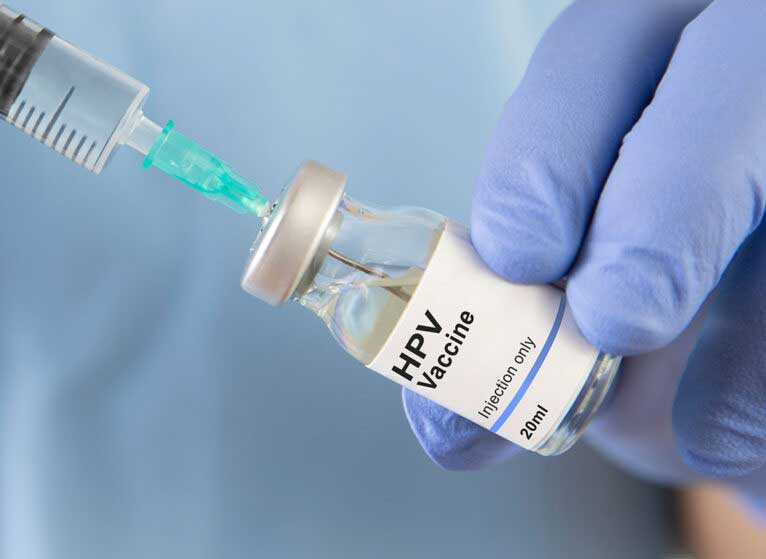
Safety and effectiveness of HPV vaccines
The vaccine is very safe and highly effective (97%) at preventing HPV-16 and HPV-18 strains, which cause 70% of cervical cancers. Vaccines that protect against HPV-6 and HPV-11 are nearly 100% effective at preventing genital warts.
Side effects of the HPV vaccine are usually mild and common to many other vaccines, including: soreness, redness or swelling in the arm where the shot was given, fever, dizziness, nausea, headache, fatigue, muscle or joint pain.
FAQ
What should you know about HPV vaccine 2026?
In practical terms, the HPV 2026 vaccine will be included in the expanded immunization program for free. Here's what you need to know about the HPV vaccine.
Why does HPV vaccine 2026 matter?
The article highlights that here's what you need to know about The HPV vaccine .
What is the main takeaway?
The main takeaway is that the HPV (human papillomavirus) vaccine can prevent infection from some types of HPV.
Related Articles
 What Is Rota Vaccine? Things to Know About Rota Vaccine: Complete Guide4 minutes read
 The 'Gamvid-19 Vaccine Gamble' and the Memory of Vietnam's26 minutes read
 Russia's Cancer Vaccine Explained: What Makes It Different6 minutes read
 What If the World Had Not Yet Found the Covid-19 Vaccine?8 minutes read
 US: Breakthrough Kidney Cancer Vaccine Development3 minutes read
 Canada Tests New Vaccine Against Sars-cov-2 Virus2 minutes read
Reader Comments 0
Sign in with email or Google to join the discussion.