Table of Contents
Explore transforming waste into biochar could help make cities greener.
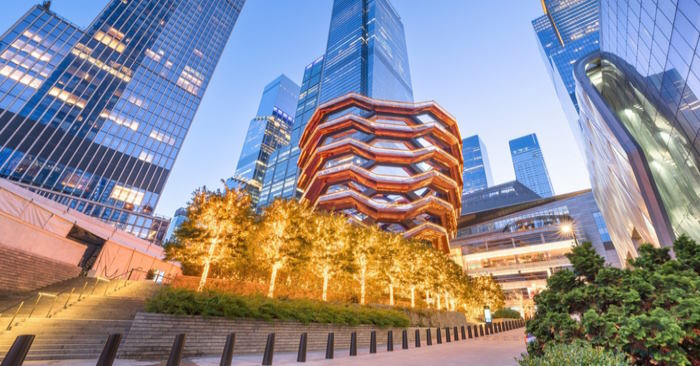
Created by burning organic waste under low-oxygen conditions, biochar locks carbon in a stable form and can be incorporated into everything from sidewalks to plant pots.
Based on projects in New York, Singapore, Beijing, Alexandria, and Tokyo, the authors outline a practical guide to incorporating biochar into urban life.
From waste to toolkits
The story of the origin of biochar is designed around a circular economy. Feed it agricultural waste, green waste, food scraps, even some industrial byproducts, and you get a porous, carbon-rich solid that can last for decades to centuries.
That sustainability is crucial. Instead of letting organic waste rot in landfills and release methane, carbon is safely stored in a material that can actually improve the city's infrastructure and ecosystem.
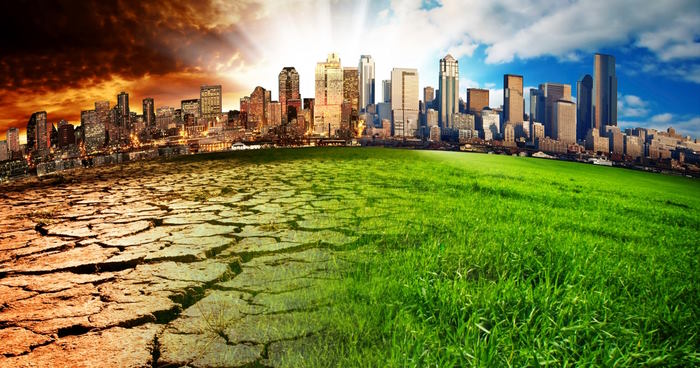
Clean the air, starting with asphalt
If asphalt is the city's asphalt lungs, then it's "coughing." During heatwaves and road resurfacing, the pavement releases volatile organic compounds, increasing smog and harming health.
The paper highlights laboratory and pilot studies showing that engineered biochar, particularly those with a large surface area or specific mineral signatures, can absorb significant amounts of these emissions.
In some tests, biochar captured up to 76% of VOCs released from asphalt. By mixing biochar into sealants or subbases, you not only minimize pollution, but you can also extend the lifespan of the pavement by buffering thermal stress and oxidation.
Carbon-storing concrete
Construction is another clear objective. Mixed into cement and concrete, biochar acts as a micro-support structure.
Its reactive surfaces promote carbonization reactions within the matrix, helping to retain CO2 while improving strength and stiffness.
If done correctly, this would turn buildings and bridges into slow-acting and steady carbon sinks.
Advantages: better crack resistance and moisture management, but these are two weaknesses for structures in hot, humid climates or coastal areas .
Greener land, bountiful harvests
Urban soils are often compacted and depleted. The honeycomb-like pores of biochar help reverse this by opening up space for air and water, retaining nutrients, and creating a habitat for microorganisms.
The article points to field trials showing that combining biochar with organic fertilizer significantly increased productivity, including a 50% increase in chili yields on degraded land plots.
For urban farms, street trees, and small parks, this means healthier plants with less watering and fertilizer.
Cleaner water with biochar
In terms of water quality, biochar stands out as an adaptable filter medium. Its surface chemistry can be tuned to bind to heavy metals, dyes, nutrient pollutants, and a growing list of "emerging pollutants" such as PFAS.
In the reported systems, the biochar filter removed over 70% of dissolved lead and up to 95% of dye contaminants.
Biochar also plays a crucial role in anaerobic digesters, where the addition of small amounts has increased methane production by more than 27%, improving energy recovery from organic waste streams.
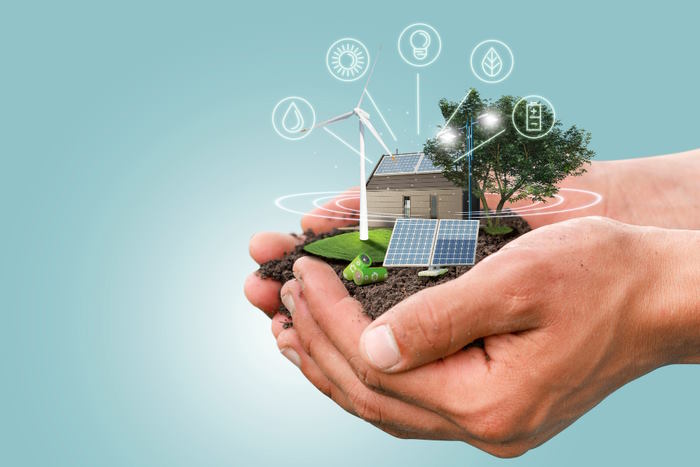
Biochar helps reduce urban heat
The distinguishing feature of this approach is the vast scope of the case studies. In New York, soil supplemented with biochar is being tested under street trees to improve rainwater infiltration and survival.
Singapore is piloting the use of biochar on green roofs and raised beds to reduce heat and clean up runoff.
Beijing and Tokyo are experimenting with construction mixes and roads that convert waste into biochar to ease landfill pressure. Alexandria is researching biochar to improve irrigation efficiency and soil reclamation amid water scarcity.
Many different cities use the same model: starting with waste, transforming it locally, redeploying it into the building structure, and "greening" the city.
Not all biochar is the same
Despite its promise, the authors are also clear about the hurdles. Not all biochar is the same. Input materials, pyrolysis temperatures, and processing method choices can produce very different materials. Without standards, results will vary and confidence will be compromised.
Economics is also important: cities will need procurement guidelines, specifications, and incentives that encourage carbon sequestration and associated benefits, not just the lowest upfront cost.
While small incinerators are well-suited for pilot projects, urban-scale impacts require modular, reliable production that connects to municipal waste streams.
Biochar for climate-smart cities
Biochar connects many urban goals. It helps remove carbon from the air, pollutants from lungs and waterways, water in the soil, and enhances the durability of structures.
Integrating biochar into circular economy plans – procuring it in public works, designating it in green infrastructure, connecting it to waste and water treatment utilities – will give you a double benefit: lower emissions, cleaner neighborhoods, more sustainable infrastructure, and a healthier urban ecosystem.
Cities lack the tools to meet all these requirements. Biochar won't replace clean energy or better public transportation, but as a materials strategy, it's incredibly versatile.
With smart standards and supportive policies, this porous black powder could become the silent "backbone" of climate-resilient urban design.
The research was published in the journal Biochar X.
Final Thoughts
Understanding transforming waste into biochar could help make cities greener, cleaner, and more beautiful makes it easier to evaluate the information and apply the most relevant recommendations. Focus on the key points above and verify details that may change over time.
FAQ
What is transforming waste into biochar could help make cities greener, cleaner, and more beautiful?
Explore transforming waste into biochar could help make cities greener.
What key points does this article cover?
The article focuses on From waste to toolkits, Clean the air, starting with asphalt, Carbon-storing concrete, with practical explanations and examples.
How can you use this information in practice?
Use the explanations to compare options, verify important details, and make a more informed decision. Apply the recommendations that best match your goals and situation.
Related Articles
 Things to Keep in Mind When Buying a Robot Vacuum to Not Waste5 minutes read
 The Truth About Recycling E-waste and Its Effectiveness10 minutes read
 Homemade Portable Vacuum Cleaner Is Easy to Imagine7 minutes read
 Different Ways to Classify Waste: Complete Guide5 minutes read
 A Guide to Adding New Cities to Airvisual to See Air Pollution4 minutes read
 Which Model Industrial Vacuum Cleaner Is Best?7 minutes read
Reader Comments 0
Sign in with email or Google to join the discussion.