Table of Contents
Explore transforming plant waste into catalysts for producing clean hydrogen.
Lignin is one of the most abundant natural polymers, often discarded as a byproduct from the paper industry and bioreactors. Instead of burning it to obtain low-energy heat, scientists at Guangdong University of Technology have converted it into carbon fiber through electrospinning and heat treatment.
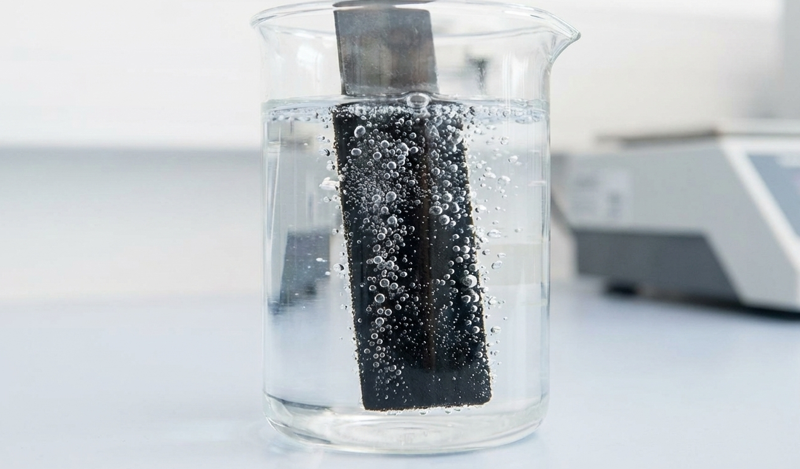
This structure creates a carbon skeleton that conducts electricity extremely well, acting as a support for the metal oxide particles. The new catalyst has been named NiO/Fe_3O_4LCFs.
In water electrolysis, the oxygen-releasing reaction (OER) is often the biggest hurdle because it is slow and energy-intensive. However, according to research published in the journal Biochar X , this lignin-based catalyst has solved that problem:
- Low overvoltage: Only 250 mV is needed to achieve a current density of 10 mA/cm².
- Impressive durability: Operates stably and continuously for over 50 hours at high current density.
- Low cost: This is a perfect alternative to the rare and expensive precious metals (such as Iridium or Ruthenium) that were commonly used in the past.
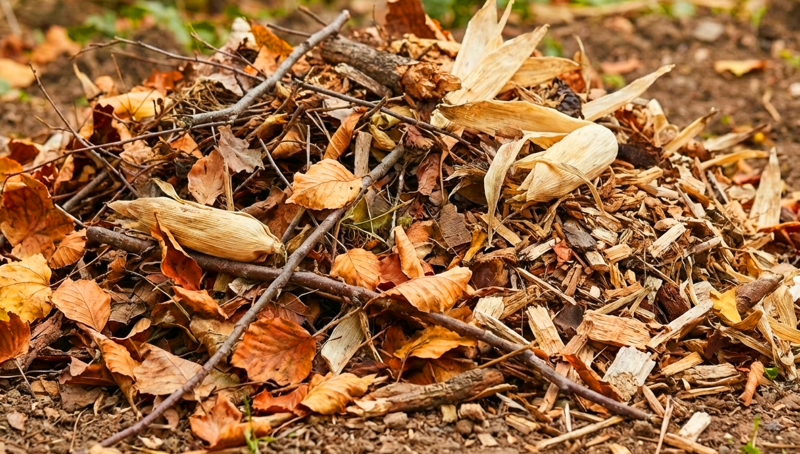
"Our work shows that lignin-based catalysts are not only highly reactive but also exceptionally stable, opening up a more economical path to large-scale hydrogen production," shared author Yanlin Qin.
Under a microscope, scientists discovered that nickel oxide (NiO) and iron oxide (Fe₃O₄) form a nanoscale heterojunction inside the carbon fiber.
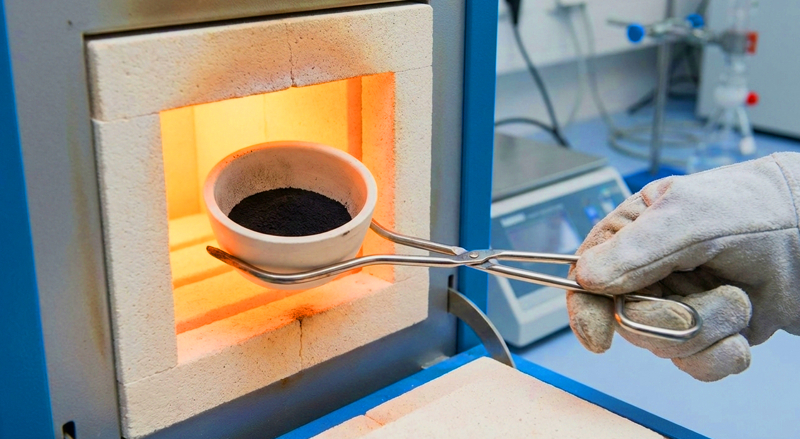
This structure helps:
- Bonding optimization: Intermediate molecules in the reaction adhere and detach at the most ideal rate.
- Increased charge transfer speed: The nitrogen-doped carbon lattice allows electrons to move faster.
- Anti-caking: The carbon fiber framework prevents metal oxide particles from clumping together – a common problem that reduces the lifespan of conventional catalysts.
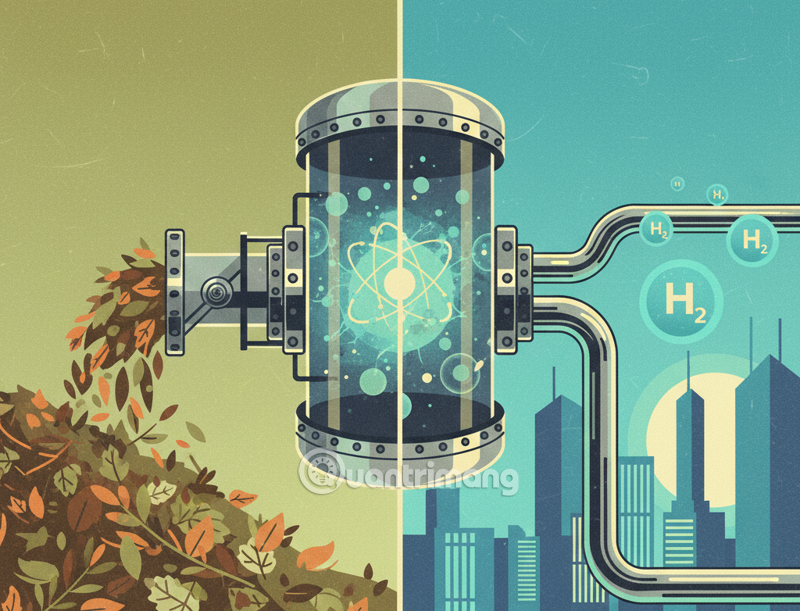
Utilizing globally available biomass to produce energy materials not only helps reduce the cost of hydrogen production but also aligns with global efforts to protect the environment.
Author Xueqing Qiu emphasized: "Our goal is to create a catalyst that is not only effective but also scalable for industrial production based on sustainable raw materials."
This method can be applied to a wide variety of metal combinations, opening up opportunities to design the next generation of electrochemical catalysts from abundant natural resources.
Final Thoughts
Understanding transforming plant waste into catalysts for producing clean hydrogen makes it easier to evaluate the information and apply the most relevant recommendations. Focus on the key points above and verify details that may change over time.
FAQ
What is transforming plant waste into catalysts for producing clean hydrogen?
Explore transforming plant waste into catalysts for producing clean hydrogen.
What key points does this article cover?
The article explains the core concept, important considerations, and practical details readers should understand.
How can you use this information in practice?
Use the explanations to compare options, verify important details, and make a more informed decision. Apply the recommendations that best match your goals and situation.
Related Articles
 Transforming Waste into Biochar Could Help Make Cities Greener, Cleaner, and More Beautiful8 minutes read
 Scientists Have Discovered a Way to Convert CO₂ into a Valuable Fuel Source5 minutes read
 The Method of Making Clean and Cheap Hydrogen Fuel from Methane3 minutes read
 Different Ways to Classify Waste: Complete Guide5 minutes read
 Dubai Builds the World's Largest Waste-to-electricity Recycling Plant4 minutes read
 Floating Equipment Can Obtain Hydrogen Gas from Seawater5 minutes read
Reader Comments 0
Sign in with email or Google to join the discussion.