Table of Contents
For better rice and fewer cooker problems, measure accurately, follow the water guide for your model and rice type, and keep the inner pot and steam parts clean. A rice cooker simplifies cooking, but the result still depends on the rice, quantity, program, and maintenance.
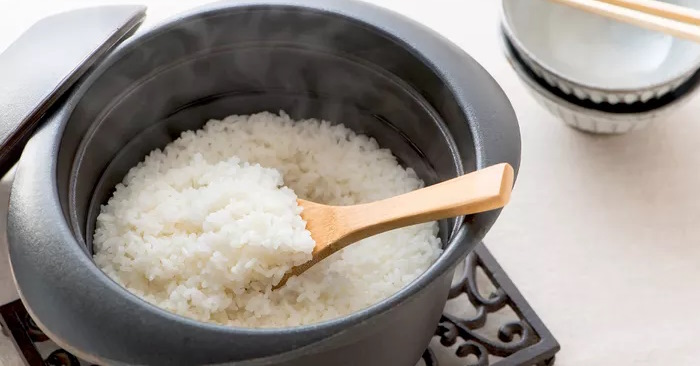
Use your cooker's measuring system
Start with the supplied rice cup and the matching water markings in the inner pot. The marked line generally indicates the final water level with the measured rice already in the pot; it is not a direction to add that many separate cups of water. Follow the manual for your model.
There is no universal 1:2 ratio for all white rice or 1:3 ratio for all brown rice. Grain type, rinsing, soaking, quantity, and cooker design affect water needs. Zojirushi's rice and grain guide illustrates how settings, quantities, and water instructions differ.
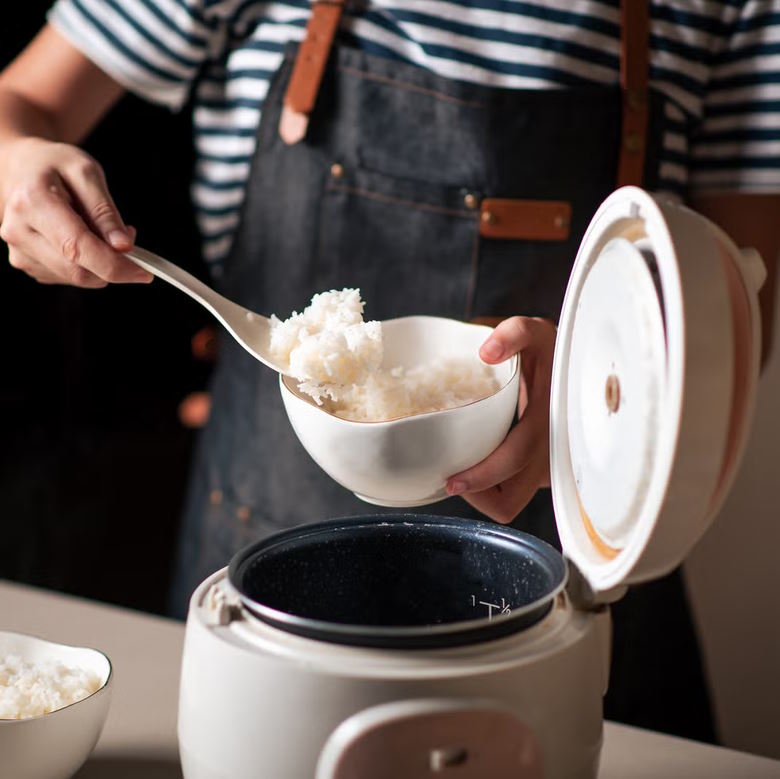
Use the appropriate brown-rice program where provided. Brown rice is not automatically lower in carbohydrate than white rice, and it commonly needs a different cooking cycle. Do not promise the same 15–20-minute cooking time for every rice type.
Prepare and cook consistently
- Measure dry rice and rinse it if the package and cooker instructions call for rinsing.
- Add water using the correct line or recipe, with the pot on a level surface.
- Wipe the outside of the inner pot dry and check that no grains or debris are trapped beneath it.
- Choose the correct program and keep the steam outlet unobstructed.
- At the end, follow the model's resting instructions and fluff with a suitable non-scratching paddle.
If rice is too firm or too soft, change a small amount of water next time while keeping the rice type and quantity consistent. This makes it easier to identify what helped.
Use other cooking functions only as directed
Some models support steaming, porridge, other grains, or additional recipes. A basic rice cooker and a pressure multi-cooker are not interchangeable. Use the supplied basket and approved capacity limits, and follow recipes intended for your model. Do not assume any combination of meat, vegetables, and rice will cook safely on an ordinary rice setting.
Handle leftovers safely
Do not leave rice in a switched-off cooker to cool slowly. The UK Food Standards Agency advises cooling leftover rice quickly, ideally within one hour, and not reheating it more than once. Reheated rice should be steaming hot throughout; see its rice safety guidance.
Use a rice cooker's reheating function only if the manual supports that use. A keep-warm mode is not automatically a suitable way to reheat cold leftovers. Reheating does not make improperly stored rice safe.
Clean without damaging the cooker
- Unplug the appliance and let it cool before cleaning.
- Use a soft sponge and suitable mild detergent on washable parts. Soften stuck rice with water instead of scraping it off.
- Follow the manual for removable lids, seals, and steam vents; dry and refit them correctly.
- Wipe the main body with a well-wrung cloth. Do not immerse the electrical base.
- Avoid abrasive pads, metal utensils, and dishwasher cleaning unless the manufacturer explicitly allows them.
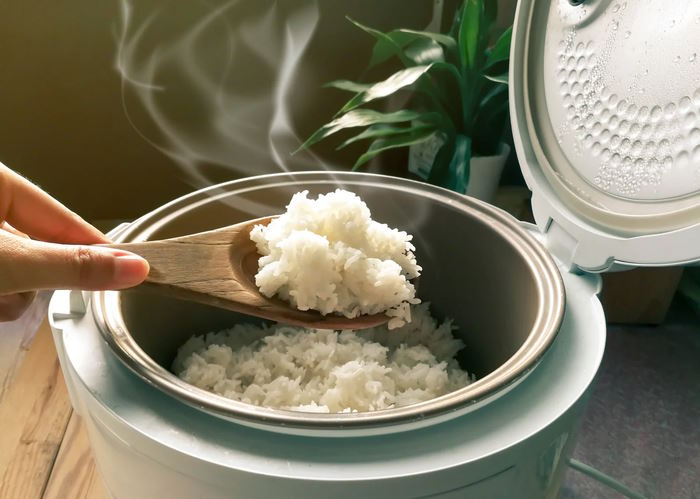
Inspect the inner pot, cord, and removable parts regularly. Replace damaged parts with compatible replacements rather than improvising. For background on the main components, see how a rice cooker works.
Related Articles
 Tell you how to cook delicious rice with a rice cooker
 Cause the rice cooker does not turn on and how to fix it
 Learn the advantages and disadvantages of the 4 most popular electric rice cookers today
 Electric rice cooker and electric rice cooker: which type to buy?
 How to make baked moon cakes simply by electric rice cooker
 Cause and remedy error of rice cooker jumping soon
Reader Comments 0
Sign in with email or Google to join the discussion.