Table of Contents
This guide provides a clear, practical overview of "'Pharaoh's Curse' May Hide a Secret Anti-Cancer Compound". It organizes the most useful details, explains important considerations, and highlights the steps or choices that matter most.
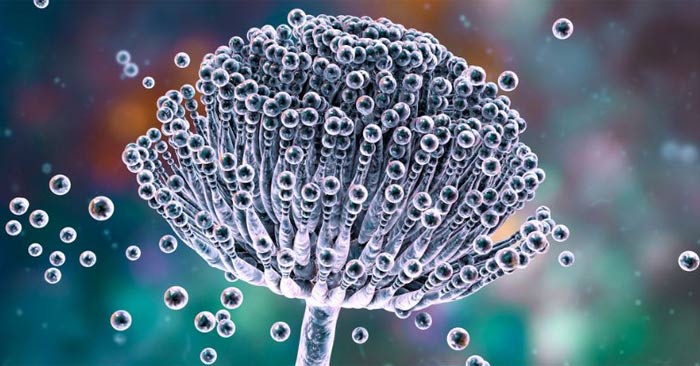
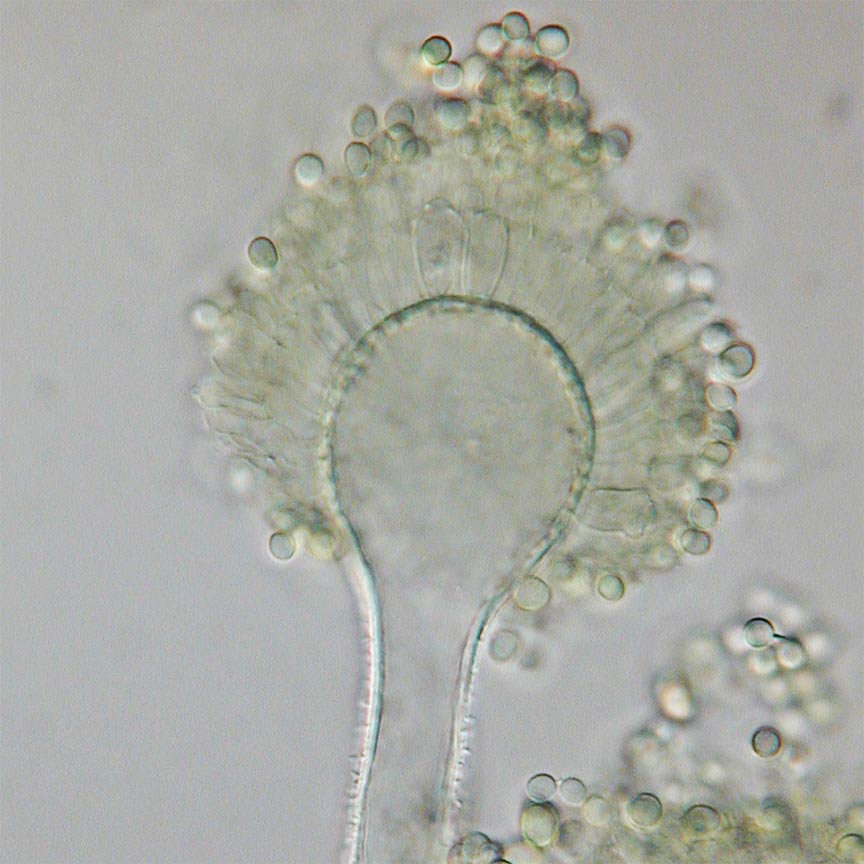
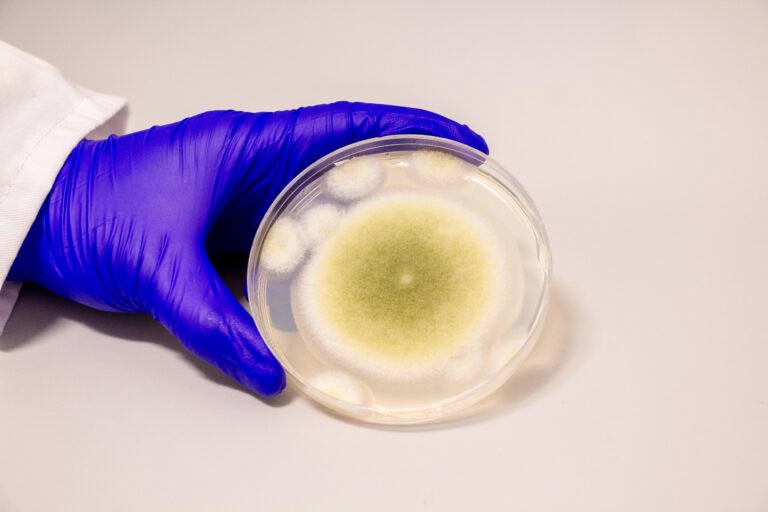
This fungus, called Aspergillus flavus, isn't exactly the curse of the Pharaohs, but it could be a great thing for medicine.
A new study led by molecular engineers at the University of Pennsylvania (Upenn) has now found that this particular mushroom possesses anti-cancer compounds.
In the lab, when their natural products were mixed with human leukemia cells, the results showed powerful effects. When modified, they even worked as well as some chemotherapy drugs.
These compounds are called RiPPs (ribosomally synthesized and post-translationally modified peptides) and they are produced by a wide variety of organisms, including plants and bacteria.
In recent years, plant-derived RiPPS have shown great potential against several types of cancer, but fungal RiPPS have not been well studied and may be misidentified due to their unique structure.
' Although only a few have been found, most of them have potent biological activity ,' said lead author and biomolecular engineer Qiuyue Nie from UPenn. ' This is an unexplored area with huge potential .'
A. flavus is found worldwide in decaying organic material. Its yellow-green spores can infect plants as well as the lungs of mammals. In humans, aspergillosis infections can lead to chronic lung conditions that can be fatal if left untreated.
In 1973, some scientists opened the tomb of a Polish king who had died prematurely. A microbiologist at the time found evidence of A. flavus in the tomb, leading to the assumption that this was the cause of the researchers' deaths.
This logic is then applied to the strange fate of the laborers and an earl who attended the opening of the tomb of the Egyptian pharaoh Tutankhamun in the early 20th century, only to die of illness days (or in the case of the laborers, years) later.
The role of Aspergillus in these deaths has captured the imagination of many. But its prominence in the history books has captured the attention of science in modern times.
Inspired by other studies that have linked A. flavus to anti-cancer activity, Nie and colleagues screened a dozen different Aspergillus strains for RiPP.
Using metabolic and genetic techniques, they amplified four different purified compounds with similar complex structures. They named them asperigimycin.
In laboratory experiments, two of the four asperigimycins showed high potency against leukemia cells, although none were effective against breast, liver, or lung cancer cells.
When the researchers modified a RiPP and added a fatty molecule (a lipid), the compound showed enhanced anti- cancer activity on several different leukemia cell lines and a breast cancer cell line.
In fact, this modified RiPP was as effective as two FDA-approved chemotherapy drugs for leukemia: cytarabine and daunorubicin.
The role of Aspergillus in the deaths of pharaohs has fueled the imagination. But its prominence in history books has also drawn scientific attention to the fungus in modern times.
Inspired by other studies that have linked A. flavus to anticancer activity, Nie and colleagues screened a dozen different Aspergillus strains for RiPP.
Using metabolic and genetic techniques, they amplified four different purified compounds with similar complex structures. They named them asperigimycin.
The study's authors, who come from several institutions across the United States and Portugal, suspect that their lipid substitution affects how a specific gene functions, allowing the drug to better penetrate and stay inside cancer cells, disrupting their replication.
' Knowing that lipids can influence how this gene transports chemicals into cells gives us another tool for drug development ,' Nie said.
Nearly a century after fungi gave us penicillin, these strange life forms are pointing us toward another potential medical advance.
The study was published in the journal Nature Chemical Biology.
FAQ
What does this guide cover?
This guide explains 'pharaoh's curse' may hide a secret anti-cancer compound, including the main steps, important details, and practical considerations.
Who is this guide for?
It is designed for readers who want a clear, practical overview and a reliable process they can follow without unnecessary complexity.
What should you check before getting started?
Review the requirements, confirm that your software or device is up to date, and save any important data before changing settings.
Related Articles
 Shivered to Discover That the Metal-organic Compound Kills Cancer Cells from Within5 minutes read
 Mysterious Curse of Egyptian Pharaoh - Tutankhamun (part 1)8 minutes read
 Mysterious Curse of Egyptian Pharaoh - Tutankhamun (part 2)4 minutes read
 What Are Compound Clips in Davinci Resolve? How Does It Use?7 minutes read
 Code Endless Nightmare 5: Latest Curse and How to Enter the Code6 minutes read
 It Turns Out That We Have Been Indifferent to Using Cancer-causing6 minutes read
Reader Comments 0
Sign in with email or Google to join the discussion.