Table of Contents
To cool a car that has been parked in the sun, briefly let the trapped hot air escape, then use the air conditioner with the windows closed. Recirculation can help maintain cooling by drawing cabin air back through the system. If your car has automatic climate control or MAX A/C, follow its owner's manual rather than overriding it with a fixed routine.
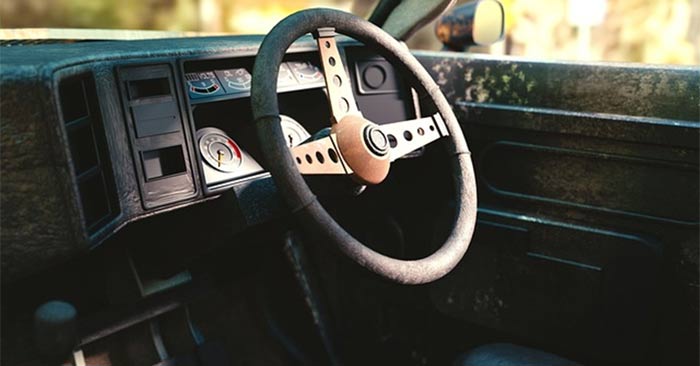
1. Vent the hottest air
When it is safe, open the doors or lower the windows briefly before settling in. You can run the air conditioner while this initial heat escapes; you do not have to wait until the cabin has cooled to turn A/C on. Avoid leaving doors open into traffic or adjusting controls while distracted.
Once cooler air is coming from the vents, close the windows so the system can cool the cabin efficiently.
2. Select the appropriate cooling mode
With manual controls, enable A/C, select a cool temperature, and use enough fan speed to move air around the cabin. Open the dashboard vents and keep them unobstructed.
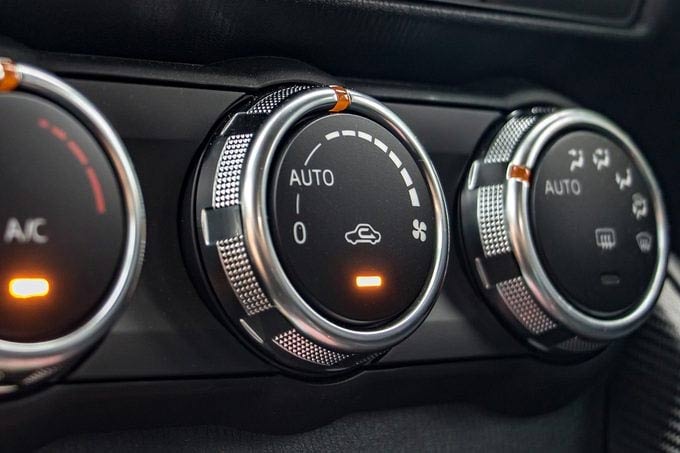
With automatic climate control, select your preferred temperature and AUTO. Many systems manage fan speed and recirculation themselves. MAX A/C, where offered, is intended for rapid cooling; check how your vehicle implements it.
3. Use recirculation when it helps
The recirculation button usually shows a car with a curved arrow inside. It reuses cabin air rather than continually drawing outside air. As the cabin becomes cooler than the surroundings, this can reduce the cooling load. The button alone does not produce cold air; A/C must also be operating for active cooling.
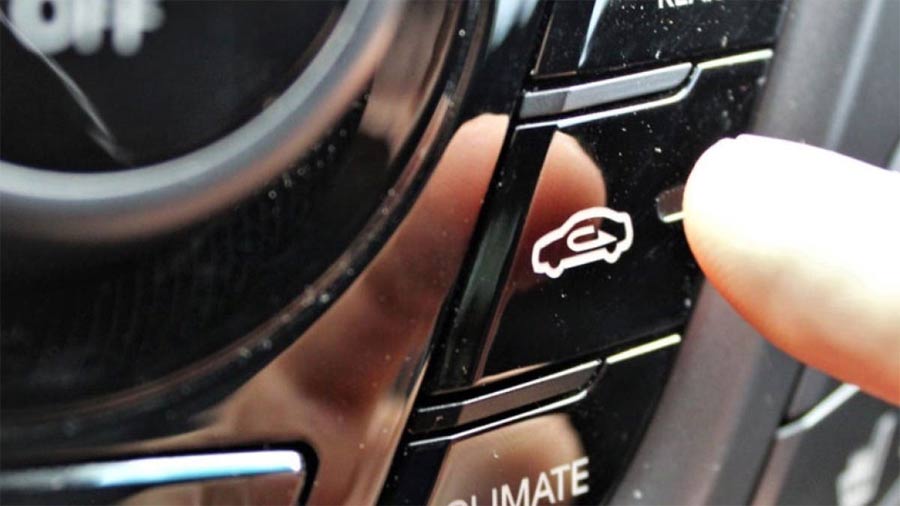
Some vehicles switch recirculation automatically or limit it in certain modes. There is no universal waiting period or rule that it is only suitable for short trips.
When to use fresh air or defogging
If the windows fog, use the vehicle's recommended defogging or defrost mode and keep visibility clear. Prolonged recirculation can contribute to moisture buildup, so do not force it to remain enabled when the system changes mode.
Recirculation may temporarily reduce outside odors, but it does not make the cabin airtight or protect you from every pollutant. Move away from heavy smoke or exhaust when you can do so safely. If you feel unwell or cannot see clearly, pull over safely rather than continuing to drive while adjusting the system.
Reduce heat before the next trip
- Park in shade where practical, without assuming a fixed temperature reduction.
- Use a windscreen sunshade while parked, then remove it before driving.
- Check seats, buckles, and other surfaces before touching them.
- Keep air intakes and vents clear. If airflow or cooling remains poor, check the cabin-filter maintenance schedule and have the system inspected.
Never leave children or pets in a parked vehicle. If using remote climate control, follow the vehicle's instructions; never run a combustion engine in an enclosed garage. The air conditioner does not need routine “rest breaks” during normal use—choose settings for comfort, fresh air, and visibility.
Related Articles
 10 great inventions for cool summer days
 Soup for cooling, cool soup, delicious soup for summer
 How to cool your home, cool your body during a hot summer day
 Computer cooling solutions on summer day
 What is 'cool cool'? New fashion style
 Top 3 coolers that cost less than 3 million cannot be missed in the summer
Reader Comments 0
Sign in with email or Google to join the discussion.