Table of Contents
Overview
This guide covers how to detect eye problems in young children in clear, practical terms. It covers the key concepts, recommended steps, common limitations, and useful checks so you can make a better-informed decision.
Vision is important for a child's learning, growth and development, especially during the first three to six years of life. Good vision improves eye-hand-body coordination, fine motor skills and visual perception, which are essential for reading and writing.
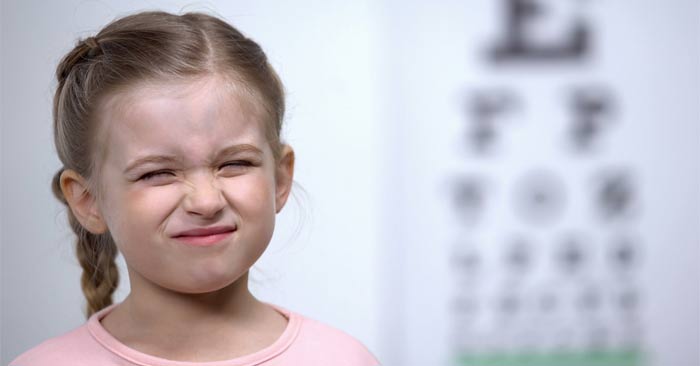
Unfortunately, young children, especially preschoolers, may not realize that they have a vision problem, which is why parents need to be especially vigilant about their child's vision health. Regular eye exams for preschoolers are important to ensure that their child's eyes are developing normally.
Several factors may put preschoolers at higher risk for vision problems, including:
- Premature birth or low birth weight
- Family history
- Neurodevelopmental disorders
- Eye injury or disorder
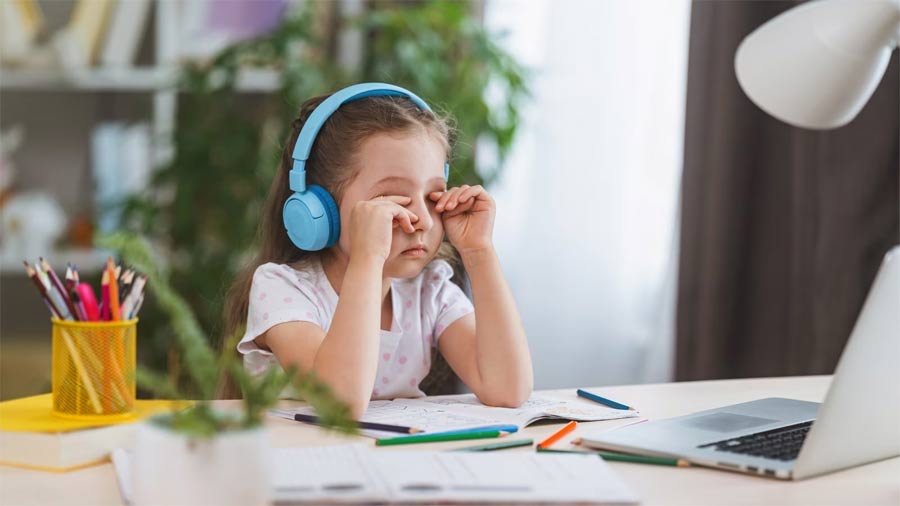
Signs that preschool children have vision problems
- Constantly rubbing or blinking eyes
- Squint
- Clumsy, difficulty going up and down stairs
- Sitting too close to the TV
- Hold toys or books close to face
- Difficulty in hand-eye coordination when playing soccer
- Frequent headaches due to trying to concentrate too hard
- Sensitive to excessive light
- Poor visual tracking (tracking an object)
- Abnormal eye alignment or movement
- Chronic red or watery eyes
- White pupils instead of black
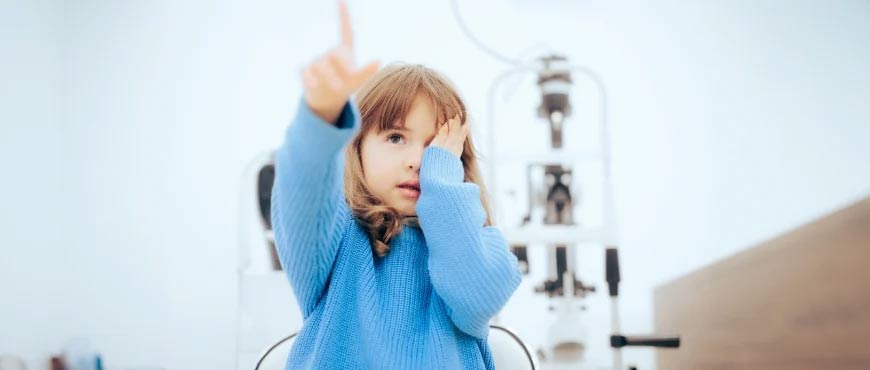
If you notice any of these symptoms or your child has never had a comprehensive eye exam, schedule an appointment with an ophthalmologist. Don't worry if your child can't read or recognize letters yet. Eye exams for infants and preschoolers are available from an ophthalmologist.
Key Takeaways
Use the guidance above as a practical reference for how to detect eye problems in young children. Check compatibility, follow the steps carefully, and verify important details with official documentation when software, security, accounts, health, or purchases are involved.
FAQ
What is the main point of this article?
This article explains signs of abnormal eyes in preschool children, including the central facts, context, practical implications, and details needed to understand the topic.
Why does this topic matter?
It may affect performance, cost, safety, convenience, purchasing decisions, or how people understand a broader development.
Could the information change over time?
Yes. Product details, software features, prices, policies, codes, and news developments can change, so verify time-sensitive information with official sources.
Related Articles
 Why Do Children Like to Ask 'Why': Explained5 minutes read
 8 Abnormal Signs on the Skin Warning the Body Is Having Serious5 minutes read
 8 Signs of Abnormal Eye Warning About Your Health7 minutes read
 Beautiful Preschool Wallpapers, Beautiful Preschool PowerPoint Backgrounds4 minutes read
 Why Do Babies Rub Their Eyes?9 minutes read
 Prepare for Your Baby: 5 Ways to Get Children Interested6 minutes read
Reader Comments 0
Sign in with email or Google to join the discussion.