Table of Contents
This updated guide explores water safety skills for every child with practical details, clear explanations, and useful takeaways. Water safety skills are very important. Below are water safety rules that parents should definitely teach their children.
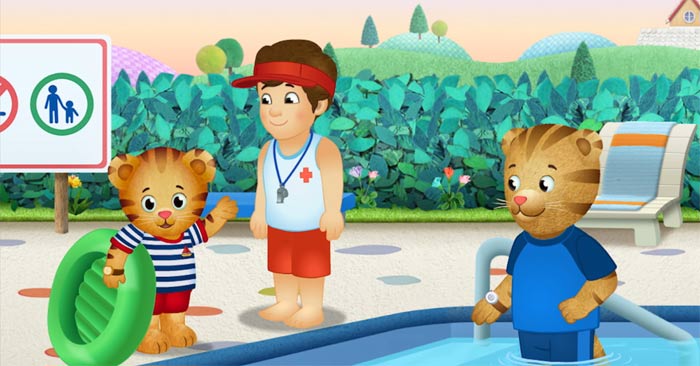
Every parent wants to ensure their children are safe and protected. While it can be a daunting task, starting with the basics can make the burden easier. Remember: safety skills start at home. The earlier you can instill safety awareness in your children, the better they will remember it.
Drowning is the leading cause of unintentional death in children under the age of five. Teaching your child the basics of water safety can significantly reduce their risk of water-related accidents. Here are the key water safety principles every child should know .
Understanding the Underwater Environment
Before children enter the water, they need to have a basic understanding of the environment they are about to enter. Water can be unpredictable and It is essential to educate them about still water, moving water, breaking waves and strong currents. Explain the difference between still water that they might see in a pool or bath and moving water, i.e. canals, rivers or streams where the water is constantly flowing.
If you are planning to take your children to the beach, surf is a topic to research before you go. Surf breaks occur when waves break on the shore, and strong rip currents are common in oceans and larger bodies of water. It is essential to teach children how to identify these environmental factors and the potential dangers they pose. Teach them to stay away from dangerous waters and to swim in designated areas under adult supervision.
Entering and Exiting the Water Safely
Getting in and out of water safely is an important part of preventing water-related accidents. Children should never jump or dive into a body of water without knowing its depth and checking for underwater obstacles. It is best to also teach children how to exit the water safely, whether using a ladder or going to a designated exit point. Also, children should never run near bodies of water as the ground can be slippery, increasing the risk of falls & accidents.
Swimming Skills
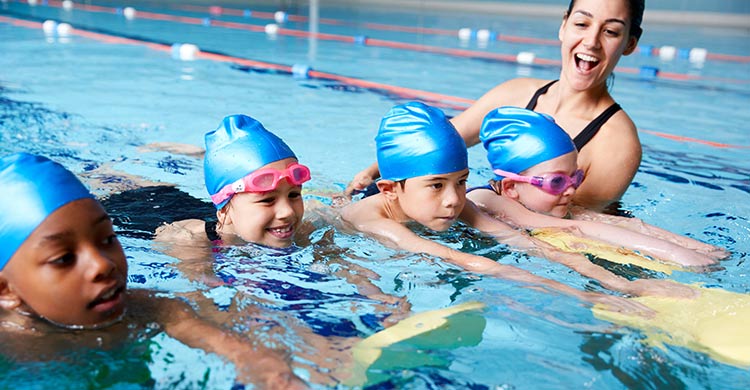
Swimming is an essential skill that all children should learn. Even if your child is not a proficient swimmer, teaching them basic swimming skills can help them stay safe in the water. Diving underwater, floating with their airway above the surface for at least 30 seconds, gliding, and kicking are all essential swimming skills that children should learn. These skills can help keep them afloat and save energy if they find themselves in a difficult situation in the water.
Rescue Skills
No one wants to think about their child being in danger. Still, if something does happen, you need to ensure your child knows how to help rescuers get them out of danger as quickly as possible. Practice a dryland rescue before getting close to the water. Have your child practice holding onto a pole or flotation device. Repeating these routines over and over again will help your child remember what to do if they need to be rescued from the water.
Building Capacity and Confidence at Home
Every child moves through the stages of getting used to water at their own pace. Remind your child that they are safe when they are with you and when they follow the rules. If your child sees water as a place to play, it can help to eliminate some of their fears. Introducing them to water little by little and learning to swim will help them feel more confident.
And if you do not know how to swim, it is never too late to learn! Knowing how to swim plays an important role in ensuring your child learns and stays safe in the water.
Pool play, lake swimming, and a day at the beach are all fun ways to enjoy the water. Make every day of water play a safe day by discussing water safety rules and practices, whether you're splashing around at home or swimming at your favorite spot!
FAQ
What is the main takeaway about Water Safety Skills for Every Child?
The key is to understand the core idea, compare the available options, and apply the practical guidance that matches your situation.
What should beginners know about Water Safety Skills for Every Child?
Start with the essential steps and terminology. Avoid changing advanced settings until you understand how they affect performance, privacy, cost, or compatibility.
How can I use this information in practice?
Follow the relevant section in order, test one change at a time, and confirm the result before moving to the next step or recommendation.
Related Articles
 Use a Hot Water Tree with a Child Lock to Ensure Safety8 minutes read
 Spyzie Review: Best Safety App for Your Child8 minutes read
 How to Use Microsoft Family Safety for Screen Time7 minutes read
 Basic Skills to Help Children Avoid Sexual Abuse: Child Sexual Abuse6 minutes read
 5 Things to Remember When Using Hot and Cold Water Plants8 minutes read
 The Necessary Notes When Choosing to Buy a Water Heater6 minutes read
Reader Comments 0
Sign in with email or Google to join the discussion.