Table of Contents
Explore nocturnal animals are disappearing.
What is light pollution?
According to the scientific definition, light pollution is a form of environmental pollution that occurs when artificial light overwhelms natural light at night, causing discomfort. In other words, it is a phenomenon that occurs when humans create excessive amounts of light. This can have harmful effects on health, obscure the light of stars, affect astronomical observations, waste energy, disrupt the lives of wildlife, and destroy the ecological balance.
According to recent statistics, approximately 80% of the global population currently lives in areas polluted by artificial light. One-third of humanity can no longer see the Milky Way – the galaxy containing our solar system. When it comes to health, nighttime light pollution is linked to sleep disorders, depression, obesity, and even some types of cancer.
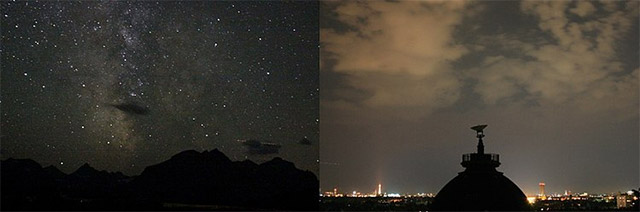
However, the impact of light pollution on humans pales in comparison to the effects on nocturnal animals. Studies have shown that most nocturnal animals are extremely sensitive to artificial light; they will change their behavior even with only minor disruptions in nighttime light levels, often in a negative way.
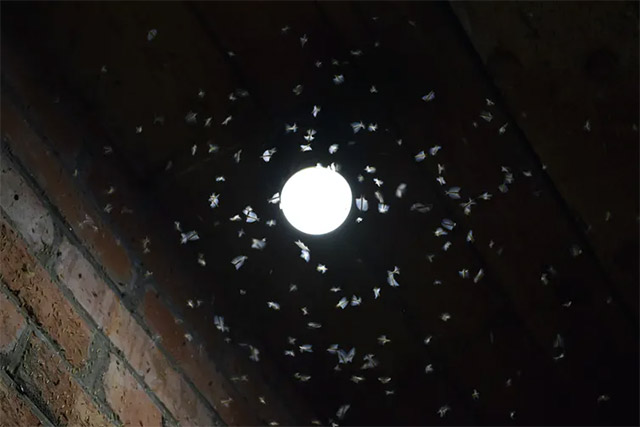
For example, beetles will become almost completely disoriented when flying through areas of light pollution that prevent them from seeing the starry sky. Additionally, artificial light can alter how nocturnal species interact with each other. Insects like moths are more vulnerable to bats because artificial light reduces their ability to identify predators.
Notably, light pollution affects not only terrestrial species but also some aquatic species. For example, artificial lighting from coastal cities, promenades, boats, and harbors disrupts the reproductive activities of clownfish, attracting some species and making them prey for others.
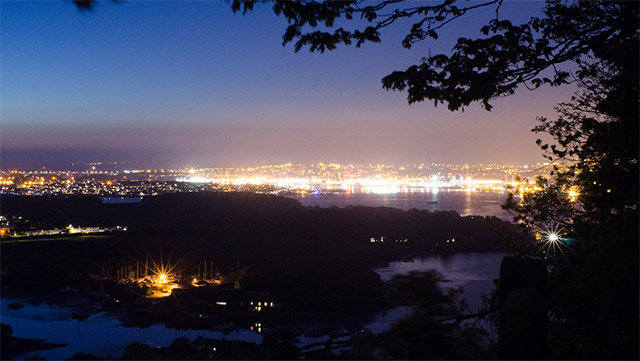
When streetlights emit light upwards, it is scattered in the atmosphere and reflected back to the ground. Anyone in the countryside at night will notice this effect: bright patches of light in the sky above a distant city or town. This type of light pollution is called artificial skylight. It is about 100 times dimmer than direct sunlight, but it is extremely common and significantly affects the lives of several nocturnal aerial species such as birds, butterflies, and bats.
The use of the moon and stars as compasses is a common characteristic of many marine and terrestrial animals, including coastal crustaceans, seals, birds, reptiles, amphibians, and insects. Therefore, light pollution increasingly disrupts the life processes of these species, causing population decline and consequently disrupting the ecological balance.
There is evidence that the Earth is becoming brighter at night. Between 2012 and 2016, scientists discovered that the area of artificially illuminated outdoor spaces on Earth increased by 2.2% each year.
In the future, scientists will need to intensify research to clarify how light pollution is affecting both terrestrial and aquatic ecosystems, focusing on how it impacts animal development, interspecies interactions, and even molecular-level effects. Only by understanding how light pollution affects nocturnal life can we find the most appropriate solutions.
- Niue is the first country on the planet free from light pollution.
Final Thoughts
Understanding nocturnal animals are disappearing; what are the reasons makes it easier to evaluate the information and apply the most relevant recommendations. Focus on the key points above and verify details that may change over time.
FAQ
What is nocturnal animals are disappearing; what are the reasons?
Explore nocturnal animals are disappearing.
What key points does this article cover?
The article focuses on What is light pollution?, with practical explanations and examples.
How can you use this information in practice?
Use the explanations to compare options, verify important details, and make a more informed decision. Apply the recommendations that best match your goals and situation.
Related Articles
 Why Aren't the Largest Animals the Fastest?7 minutes read
 The World's 10 Most Endangered Animals2 minutes read
 Which Animal Can Understand and Perform Simple Calculations?6 minutes read
 15 Animals Are Most Dangerous to Humans: Animals That Cause Death8 minutes read
 minutes read
 Latest Raise Animals Code and How to Redeem Code for Rewards: Complete Guide4 minutes read
Reader Comments 0
Sign in with email or Google to join the discussion.