Table of Contents
This guide provides a clear, practical overview of "New Blood Test Can Detect Cancer 3 Years Before Symptoms Appear". It organizes the most useful details, explains important considerations, and highlights the steps or choices that matter most.
In a groundbreaking study, international scientists have identified that tiny pieces of genetic material released by tumours can be found in the blood as early as three years before a patient is diagnosed with cancer.
The work comes from a team of experts at Johns Hopkins University, including researchers from the Ludwig Center, Kimmel Cancer Center, School of Medicine, and Bloomberg School of Public Health. The findings are published in the journal Cancer Discovery with funding from the US National Institutes of Health (NIH).
Dr. Yuxuan Wang, lead researcher and associate professor of oncology at Johns Hopkins, said he and his colleagues were surprised by the ability to detect cancer mutations early: "Three years is enough time to intervene. The tumor is usually less advanced and the chance of cure is higher."
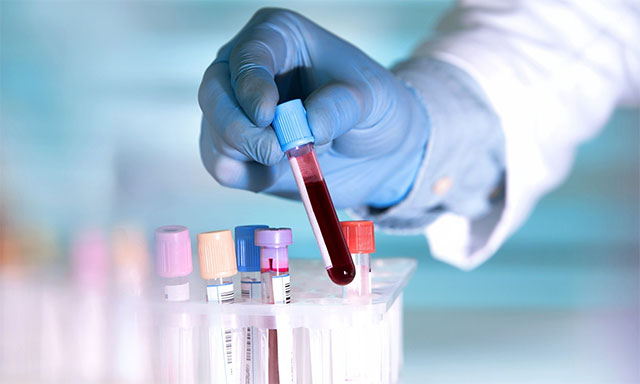
Research and methodology
To determine when cancer is detected before clinical signs appear, the team analyzed plasma samples collected from a large NIH-funded project investigating risk factors for heart attack, stroke, and cardiovascular disease.
Using high-precision gene sequencing techniques, the team analyzed blood samples from:
- 26 ARIC participants were diagnosed with cancer within 6 months of sampling
- 26 people did not develop cancer (control group)
The results showed:
- 8 of 52 people tested positive for the multiple cancer early detection (MCED) test
- All eight cases were diagnosed within 4 months of testing.
- 6/8 people had blood samples stored 3.1–3.5 years before diagnosis
- 4/6 of these "archived" blood samples contained tumor-derived mutations
Clinical significance
"The study demonstrates the potential of MCED testing for the ultra-early detection of cancer and establishes the necessary sensitivity threshold for such tests," emphasized study author Professor Bert Vogelstein (Co-Director of the Ludwig Center).
Professor Nickolas Papadopoulos, co-author of the study, added: "Detecting cancer many years before clinical diagnosis could open up the opportunity for treatment with a better prognosis. However, we need to determine the appropriate clinical follow-up protocol after a positive result."
FAQ
What should you know about research and methodology?
To determine when cancer is detected before clinical signs appear, the team analyzed plasma samples collected from a large NIH-funded project investigating risk factors for heart attack, stroke, and cardiovascular disease.
What should you know about clinical significance?
"The study demonstrates the potential of MCED testing for the ultra-early detection of cancer and establishes the necessary sensitivity threshold for such tests," emphasized study author Professor Bert Vogelstein (Co-Director of the Ludwig Center).
What does this guide cover?
This guide explains new blood test can detect cancer 3 years before symptoms appear, including the main steps, important details, and practical considerations.
Related Articles
 A Simple Blood Test Can Predict the Return of Skin Cancer3 minutes read
 Medical Breakthrough: Find a Method to Diagnose Cancer Before Getting Sick4 minutes read
 New Blood Tests Help Detect 8 Types of Cancer Early4 minutes read
 Making Lasers Made from Blood Helps Detect Cancer4 minutes read
 US Science Discovered: Blood Tests Can Predict Life Expectancy3 minutes read
 Things You Need to Know About Brain Cancer9 minutes read
Reader Comments 0
Sign in with email or Google to join the discussion.