Table of Contents
Here are the devices that experts recommend you plug directly into a wall outlet, not through an extension cord or separate outlet.
We all love the convenience of extension cords and surge protectors. Just plug it in and you have power. But electricians around the world warn that this convenience can become dangerous when misused.
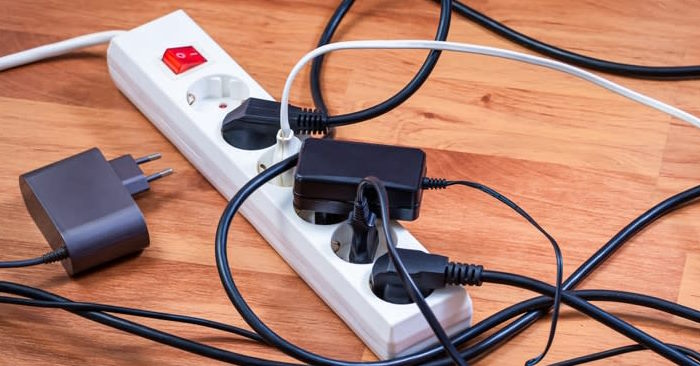
Many home disasters start with an appliance that should never have been plugged into an extension cord or surge protector. Knowing which appliances pose a risk helps you protect your home, your belongings, and yourself. Here are the appliances that experts recommend plugging directly into a wall outlet, not an extension cord or power strip.
Heater
Portable space heaters draw many power, often 1,000 to 1,500 watts (or more). Extension cords and surge protectors are rarely rated to handle that level of continuous voltage, and their wiring can overheat. Overheated wiring is a leading cause of electrical fires in homes. Even if the surge protector has a built-in circuit breaker, that doesn't guarantee safe operation when used with a high-wattage space heater.
Refrigerators, Freezers & Large Appliances
Appliances with motors (like refrigerators, freezers, air conditioners, or dishwashers) have high starting currents. This instantaneous current can overload extension cords or surge protectors. The result? Circuit breakers trip, insulation melts, or worse, short circuits. Furthermore, these appliances run continuously, increasing the risk of the cord overheating over time. For safety and longevity, they should always be plugged into a dedicated electrical outlet.
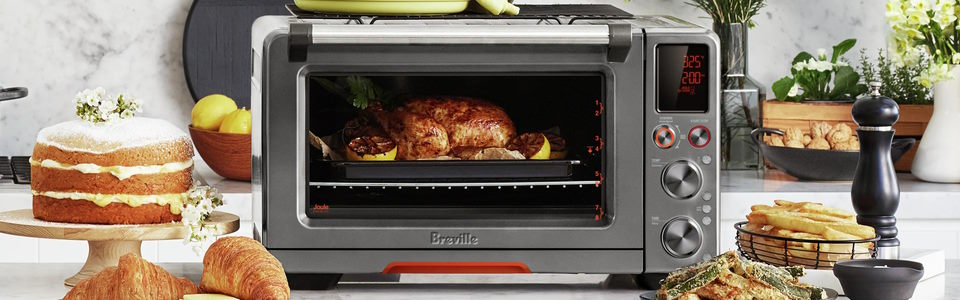
Microwave and toaster oven
Microwaves, toasters, and similar cooking appliances combine high power with variable loads. They draw many electricity as they heat up, putting stress on any intermediate wires. Plugging them into an extension cord or surge protector can cause voltage drops and overheating of the wires.
Since people often use these appliances for several minutes at a time (or longer), the heat buildup can take you by surprise. For kitchen safety, plug them directly into a wall outlet, using a properly rated circuit.
Air compressors, industrial tools & power tools
Power tools (saws, drills, air compressors, garden equipment) are designed to handle high currents, especially when under load. When used with an extension cord, the voltage drop can force the tool to draw more current, accelerating wear or failure. The increased resistance of the connectors, cords, and plugs adds even more stress. Many workshop fires have started with tool cords that were not able to handle the load. Plug all heavy-duty tools into a dedicated, properly rated outlet, not an extension cord or standard extension cord.
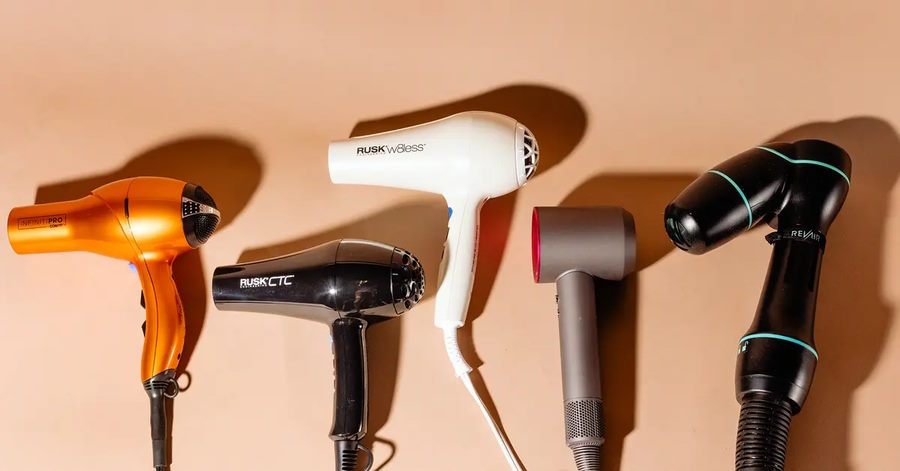
Hair dryers, curlers & high temperature personal appliances
Hair dryers and styling tools are surprisingly power-hungry appliances. Professional hair tools can consume as much as 1,800 to 2,000 watts, which is too much for most extension cords. Even if the extension cord doesn't fail immediately, the connectors can get hot over time, posing a risk of melting or fire. Since these appliances are used daily and generate heat, the risk is magnified. It's best to plug them directly into a wall outlet, not through any temporary device.
FAQ
What should you know about never plug these devices into extension cords and surge protectors?
In practical terms, here are the devices that experts recommend you plug directly into a wall outlet, not through an extension cord or separate outlet.
Why does never plug these devices into extension cords and surge protectors matter?
The article highlights that many home disasters start with an appliance that should never have been plugged into an extension cord or surge protector.
What is the main takeaway?
The main takeaway is that extension cords and surge protectors are rarely rated to handle that level of continuous voltage, and their wiring can overheat.
Related Articles
 Differences Between Normal and Power Surge Protection7 minutes read
 How to Clean an Aux Cord: Step-by-Step Guide7 minutes read
 How to Repair an Electric Cord21 minutes read
 Top 5 Best Electrical Anti-surge Power Outlet 20197 minutes read
 How to Use Surge Send Secure File Sharing: Online File Sharing6 minutes read
 Xiaomi Silently Announced Its Own Development of a Chip3 minutes read
Reader Comments 0
Sign in with email or Google to join the discussion.