Table of Contents
Mind and movement are intimately connected. Yet, most of us probably take this for granted.
Mind and movement are intimately connected. Yet, most of us probably take this for granted.
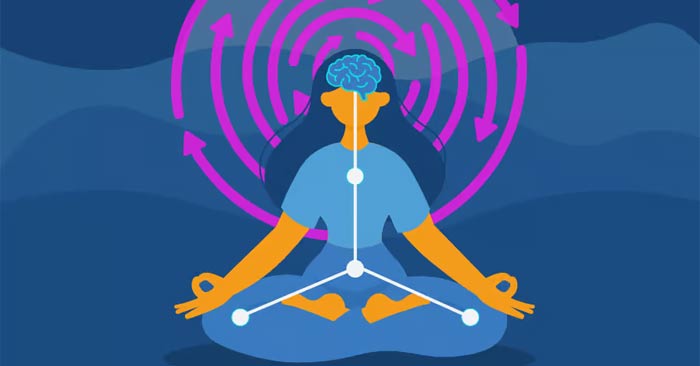
Most people think of exercise as muscle, cardio, or maybe trying to fit into last year's jeans. But exercise isn't just a way to change your body. In fact, it's one of the most overlooked tools for changing your mind.
In fact, all forms of human movement—from stretching to dancing to carrying groceries—can boost our mental health.
Ways to exercise your mind
- Cardiovascular exercise (running, swimming, brisk walking) improves mood, reduces anxiety, and improves sleep.
- Strength training (weights, resistance bands, bodyweight exercises) builds confidence and resilience along with muscle.
- Flexibility and movement (stretching, Yoga poses ) help release tension and restore balance after stress.
- Balance and coordination (tai chi, single-leg exercises) practice focus and presence, and reduce the risk of falls throughout life.
- Mind-body practices (yoga, qigong, breathing) encourage calm awareness, a powerful antidote to chaotic thoughts.
- Functional mobility and activities of daily living (carrying groceries, climbing stairs, gardening) are the most accessible ways to incorporate health benefits into everyday life.
- Dance (ballet, salsa, hip-hop) promotes joy, self-expression, and social connection.
- Lifelong recreational sports (tennis, baseball, golf) help people stay active, happy, and well connected into old age.
- Outdoor education (hiking, camping skills, canoeing) combines exercise with time in nature, which is a reliable stress reliever and focus restorer.
Each of these activities has its own unique benefits for mental health. The key is not to choose the best activity, but to find the right type of exercise that feels meaningful and enjoyable to you.

Why does exercise have a positive impact on the mind?
A recent review in the International Journal of Behavioral Nutrition and Physical Activity compiled dozens of studies and found that self-esteem and confidence are two of the biggest reasons why exercise improves mental health. When people feel better about themselves (self-esteem), they tend to experience fewer symptoms of depression and anxiety and feel healthier. And when they believe in their ability to be active and competent (self-confidence), that makes the psychological benefits of exercise even more pronounced.
Even better, exercise has other benefits too:
- Positive Effects: Exercise makes us feel good immediately, and that emotional boost leads to improved mood and life satisfaction.
- Resilience: By increasing our ability to cope, physical activity helps us handle stress and emotional challenges more effectively.
- Social support and connection: Exercise often takes place with other people—when walking, in a fitness class, or in a group—and that context significantly boosts mental health.
- Pain relief: For people with chronic pain, gentle exercise can reduce discomfort, thereby reducing stress and improving mood.
- Reduced Fatigue: When exercise helps people feel less exhausted, that renewed energy often translates into higher life satisfaction.
- Physical health: Feeling better physically often means feeling better mentally too.
All of the above should be enough to explain why physical activity is such a powerful and versatile tool for improving mental health.
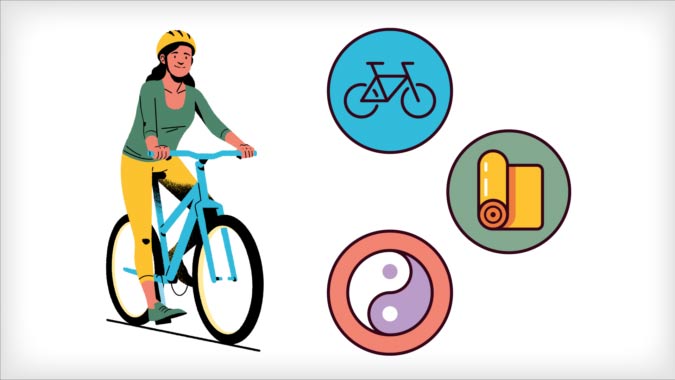
Exercise isn't just something you do for your body. In fact, it's one of the easiest ways to boost your mood. Even small steps matter: a short walk, a stretch between meetings, or dancing in the kitchen can all change your mood and build resilience.
FAQ
What should you know about how are mind and movement connected?
In practical terms, mind and movement are intimately connected. Yet, most of us probably take this for granted.
Why does how are mind and movement connected matter?
The article highlights that in fact, all forms of human movement—from stretching to dancing to carrying groceries—can boost our mental health.
What is the main takeaway?
The main takeaway is that ways to exercise your mind Cardiovascular exercise (running, swimming, brisk walking) improves mood, reduces anxiety, and improves sleep.
Related Articles
 4 Tools to Help Create an Online Mind Map8 minutes read
 Best AI Tools for Creating Mind Maps7 minutes read
 Mind Mapping in PowerPoint4 minutes read
 Instructions on How to Create a Mind Map with Edraw Mind Map3 minutes read
 Ask. Fm: Movement Should Be Avoided5 minutes read
 How to Create Mind Maps Using AI4 minutes read
Reader Comments 0
Sign in with email or Google to join the discussion.