Table of Contents
While ChatGPT is emerging as a new AI application platform, Apple still has a big advantage thanks to the iPhone ecosystem, the App Store, and the upcoming next-generation Siri.
Recently, OpenAI announced a big step forward: apps can now run directly inside ChatGPT, allowing users to book travel, create playlists, or edit designs — all without leaving the app.
Immediately, many called it the app platform of the future, even predicting a ChatGPT world where Apple's App Store becomes obsolete.
Still, while OpenAI's app platform is a potential threat, Apple's vision for a next-generation Siri — albeit significantly delayed — could help it turn the tide.
After all, Apple controls the entire ecosystem: from hardware, to operating system, to 1.5 billion global iPhone users, while ChatGPT only has about 800 million weekly active users. If Apple's AI play goes right, it could both maintain its dominance in mobile apps and reshape how we use apps in the AI era.
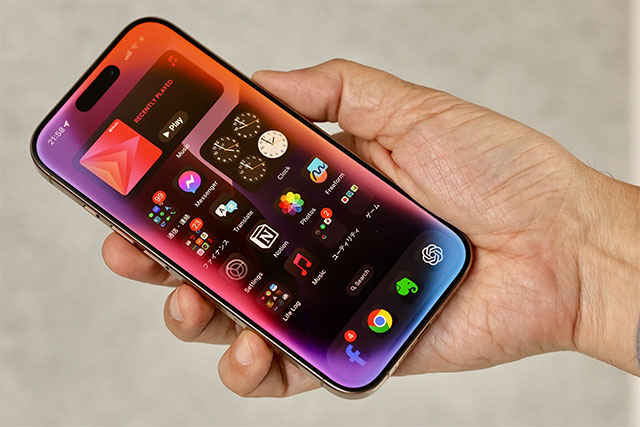
Apple's plan is to remove app icons—but keep the apps. The AI-driven iPhone experience, unveiled at last year's WWDC, sees users interacting with a brand-new Siri and a redesigned system that lets you use apps in a more natural way (less tapping, more talking).
The idea isn't exactly new—but perhaps it's just now coming to fruition. The iPhone home screen's array of little icons for accessing information is an outdated metaphor for the desktop era.
Today, people are more likely to ask AI assistants for recommendations than to open a separate app like Yelp or type in a Google search. They command smart speakers or AirPods to play music, ask chatbots for business information, or review new movies.
The AI assistant – trained on a huge database of data from the Internet – will understand the user's intention and return the answer in seconds. This is obviously more convenient than fumbling through Google search results or finding the right app among the jungle of iPhone apps and then having to navigate the confusing interface inside it.
The problem of the application ecosystem in ChatGPT
While ChatGPT seems to be improving the usability of the app, it is still limited to its own chatbot interface. Users need to call out the app name in the prompt or press the 'use the app for the answer' button, then enter the exact command.
If you get the syntax wrong, you might get stuck on a loading screen with no results — as Bloomberg tested.
So is this really the future of apps, or just a temporary fix without a worthy competitor? When Apple's new Siri arrives — built into the iPhone — will users still be interested in ChatGPT?
Don't be so quick to write Apple off, though Siri is certainly a 'regression' right now.
Apple still has a big advantage
IPhone users are used to their app ecosystem. They know where to find the apps and how to use them—and that 'muscle habit' is hard to break.
Meanwhile, launching an app in ChatGPT is still quite cumbersome: You should install the app, grant permissions, log in, do two-step authentication, and then connect to ChatGPT.
Once done, creating a Spotify playlist using AI and opening it in the app is really just a little bit different from the way Apple is aiming for: controlling the app by voice via Siri.
ChatGPT even has its weaknesses: you can only interact with one app at a time, you can't compare hotel prices between two apps, or view Airbnb and Booking.com side by side.
Using the app in ChatGPT also takes away from the app's branding and unique design, which many users still value.
In other words: ChatGPT makes using the app more 'clean', but also more soulless.
A Second Chance for Siri
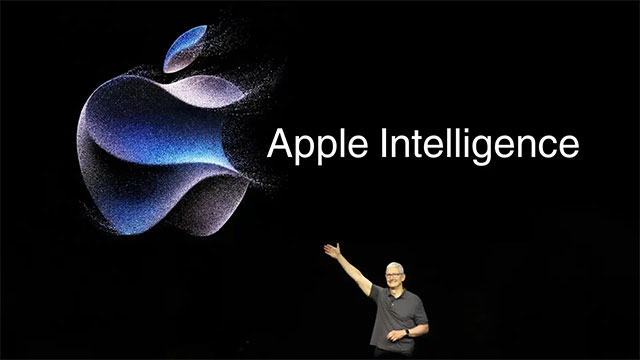
At WWDC 2024, Apple demonstrated how the new Siri will work with apps and integrate AI features like proofreading and content rewriting.
Developers will benefit immediately, especially those that have already integrated SiriKit. Apple has confirmed that it will prioritize groups of apps such as: Notes, Entertainment, Messaging, Payments, Restaurant Reservations, Voice Calling, and Workout.
You can issue more natural commands – for example, 'show presentation notes' or 'FaceTime grandpa' – without the need for rigid commands.
Also, the App Intents framework is also extended, allowing Siri to interact more deeply with apps, such as editing photos with Darkroom, opening spreadsheets, presentations, browsing documents, etc.
Apple doesn't just have AI – they also have the App Store, APIs, operating systems, hardware, and privacy, which OpenAI doesn't have.
Gap that Apple can exploit
Currently, ChatGPT only works with a few apps like Booking.com, Spotify, Canva, Figma, Coursera, Zillow… because it depends on Model Context Protocol (MCP) – a new connection technology that needs time to be popularized. This delay could be a golden opportunity for Apple to catch up.
Bloomberg revealed that Apple has internally tested a new Siri, which can give commands in popular apps like Uber, YouTube, Amazon, Facebook, WhatsApp. and will be launched next year.
The Showdown: Apple Has the iPhone, OpenAI Has Jony Ive
While OpenAI has Jony Ive, Apple's former chief design officer, backing it in creating its own AI devices, smartphones remain the central platform users rely on. Furthermore, the public remains skeptical of always-on AI devices, concerned about privacy and social norms.
At that point, the idea of using ChatGPT to control other apps might not be as appealing as a truly intelligent Siri, already built into the iPhone.
If Apple gets it right this time, Siri might not just be 'back' — it might redefine the way we use our phones.
FAQ
What should you know about it's not too late for apple to get serious about AI?
In practical terms, while ChatGPT is emerging as a new AI application platform, Apple still has a big advantage thanks to the iPhone ecosystem, the App Store, and the upcoming next-generation Siri.
Why does it's not too late for apple to get serious about AI matter?
The article highlights that once done, creating a Spotify playlist using AI and opening it in the app is really just a little bit different from the way Apple is aiming for: controlling the app by voice via Siri.
What is the main takeaway?
The main takeaway is that a Second Chance for Siri At WWDC 2024, Apple demonstrated how the new Siri will work with apps and integrate AI features like proofreading and content rewriting.
Related Articles
 6 Things to Do to Avoid the Consequences of Staying up Late12 minutes read
 13 Famous Words of Steve Jobs5 minutes read
 Night Owls and the Risk of Stroke: Why Does Staying up Late Harm Your Heart?6 minutes read
 Why Are People Staying up Late Often Smart and Alert4 minutes read
 Kill Yourself Because of the Habit of Sleeping Late10 minutes read
 3 Things to Do Before Selling Apple Watch5 minutes read
Reader Comments 0
Sign in with email or Google to join the discussion.