Difference between WiFi 5, WiFi 6 and WiFi 6Ehaving fast wifi has become indispensable in our daily lives. from surfing the internet and working from home to online gaming and streaming netflix, it all depends on a strong wifi connection.
Which phones support Wifi 6?finally, the wi-fi alliance trade alliance group has officially issued wifi 6 certification to manufacturers. this means users will experience the latest in wifi technology, with the fastest speeds ever.
What is WiFi 6E? How is WiFi 6E different from WiFi 6?technology is always developing very quickly, when wifi 6 was just popular, the new standard wifi 6e was officially launched. so what is wifi 6e? wifi 6e is nothing different than wifi 6, invite you to find out.
Wi-Fi 6 a must have connectivity standard in 2020wi-fi 6 is 4 times faster than previous generation, has wider network coverage, supports thousands of devices simultaneously with mu-mimo standard.
How fast is Wifi 6?wifi 6 is the latest generation of wifi at the present time. let's learn about the incredible speed of this new generation of wireless networks.
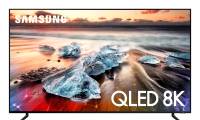
Samsung partnered with MediaTek to create the world's first 8K Wi-Fi 6 TVsamsung and mediatek have introduced the world's first 8k qled tv that supports wi-fi 6. samsung 8k qled y20 models (q950, q900) support the new wi-fi standard and are equipped with a custom wi-fi 6 chipset. by mediatek.
Things you need to know about 10Gif you follow the technology news, you probably heard about 5g, the next generation of wireless technology for mobile networks, but you might not know about 10g broadband, advertised at the show. ces this year.
New 6E wifi standard, better signal, stronger connectionrecently, the alliance wifi has launched a new standard that has many advantages over wifi 6 called wifi 6e. this new wi-fi standard supports 6ghz band to increase the ability to use virtual reality and augmented reality (vr / ar).
Learn about Wi-Fi 6wi-fi 6 is the latest update to the wireless network standard. wi-fi 6 is based on the ieee 802.11ax standard, with faster speeds, larger capacity and improved power performance than its predecessor 802.11ac standard.
 Difference between WiFi 5, WiFi 6 and WiFi 6E
having fast wifi has become indispensable in our daily lives. from surfing the internet and working from home to online gaming and streaming netflix, it all depends on a strong wifi connection.
Difference between WiFi 5, WiFi 6 and WiFi 6E
having fast wifi has become indispensable in our daily lives. from surfing the internet and working from home to online gaming and streaming netflix, it all depends on a strong wifi connection.