Table of Contents
This updated guide examines How to Speed up the Printer and Make the Printing Process More and organizes the essential facts, background, and practical takeaways in clear American English.
1. Internet connection

Check the Internet speed and exit any download or video streaming activities that may be using network resources. If the image is not sent at the maximum speed from the computer to the printer, the print speed will be affected at the start of the process.
2. Paper quality
Using high quality paper can significantly increase printing speed. This is because high quality paper glides smoothly and easily through the printer nozzle. On the other hand, low quality paper can cause printing problems and are more likely to get stuck in the printer.
3. Print quality
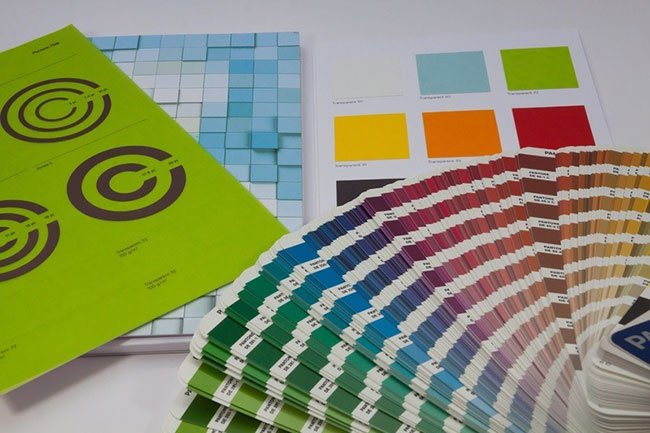
If you are printing a large number of unimportant documents, reducing print quality will result in faster printing. On the other hand, if you are printing fewer documents for visual presentations, the print quality must be kept high to create the best product possible.
4. Delete print jobs that are no longer needed
Printer memory may be clogged with 'remnants' of old print jobs. These are prints that were canceled or paused before completion. Search the queue for no longer needed print jobs and delete them permanently to free up printer memory and boost performance.
5. Check out the security feature
Look at the device's security settings to make sure they don't interfere with the printing process. If your printer is disconnected from any external network and you are printing documents directly from your device, you can turn off any antivirus programs that are slowing down the printer.
On the other hand, if you are printing via the Internet, never turn off the computer security firewall completely during printing, as hackers can steal data directly from the printer itself.
6. Ignore spooler
The spooler found in the printer is a midpoint used to provide a station for information, in case there is any delay during printing. For fast devices, you can bypass the spooler entirely by selecting the 'Print directly to the printer' option . This will eliminate a step in the printing process and thus increase printing speed.
7. Increase RAM
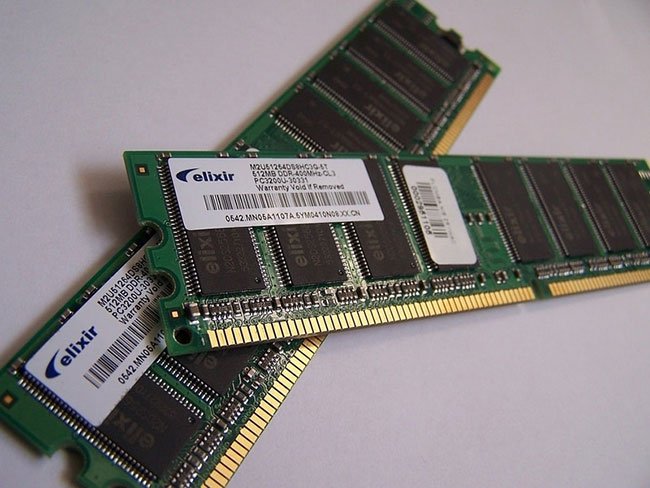
In general, having more RAM allows the computer to perform more tasks. Although adding RAM does not make programs run faster, it allows many programs to run together without slowing down the operation speed. You can add more RAM to your device by having a RAM upgrade specialist.
8. Upgrade software
Finally, make sure the printer software you are using is up to date. If the printer itself is at maximum capacity, but operating at a lower-than-expected speed, it might be time to replace a faster, new model.
Owning your own printer is a good way to avoid having to go to the print shop often when the job requires it. With the above steps, you can ensure your printer operates at full speed even after a few years of operation.
Wish you apply successfully!
FAQ
What is How to Speed up the Printer and Make the Printing Process More about?
It provides a structured overview of printers, explains the main context, and highlights practical takeaways for readers.
Why does this topic matter?
Understanding the main concepts helps readers evaluate the issue, avoid common mistakes, and make better-informed decisions.
How should readers use this information?
Use the guidance as a practical starting point, confirm details that may have changed, and follow current product, safety, or security recommendations.
Related Articles
 How Does 3D Printer Work?7 minutes read
 Summary of Printer Errors and How to Fix Them20 minutes read
 Inkjet (Inkjet) and Laser Printers: Which Type Is Right for You?13 minutes read
 Fix Printer Errors with Blurred Text and Blurred Lines: What You Need to Know7 minutes read
 The Printer Prints Slowly - Causes and Effective and Quick6 minutes read
 How to Fix Color Printer Not Printing Red?10 minutes read
Reader Comments 0
Sign in with email or Google to join the discussion.