Table of Contents
If Windows cannot discover a printer that connects directly to your network, add it by its IP address or hostname. If the printer instead plugs into another PC by USB, use that PC’s shared printer path.
Find the printer’s address
Connect the printer to the same local network as the PC. Find its current IP address on the printer’s network screen, on a printed network configuration page, or in the router’s connected-device list. Avoid a guest Wi-Fi network if it blocks devices from reaching one another.
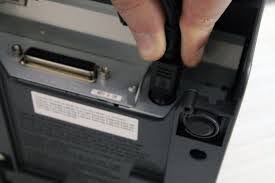
Add the printer in Windows
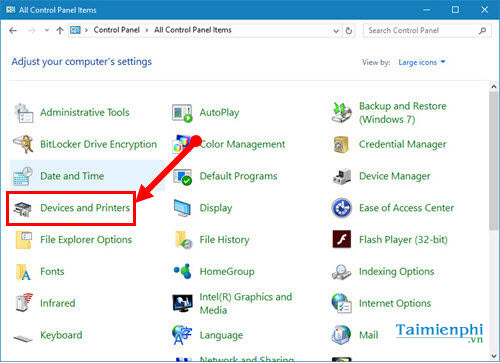
- On Windows 11, open Settings > Bluetooth & devices > Printers & scanners. On Windows 10, open Settings > Devices > Printers & scanners. Select Add device or Add a printer or scanner. Older systems may show the wizard in Control Panel.
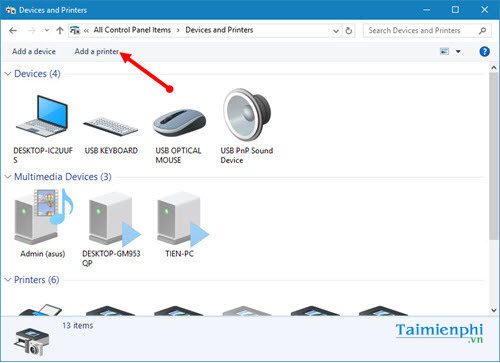
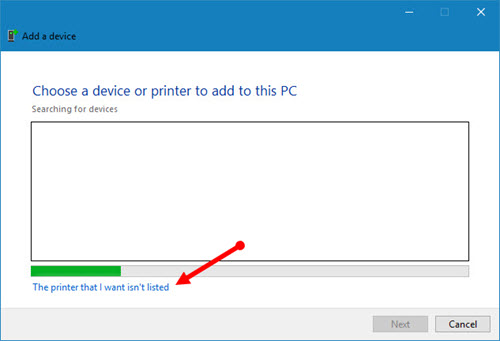
- If the printer does not appear, choose Add manually or The printer that I want isn’t listed. Choose the option to add a printer by TCP/IP address or hostname.
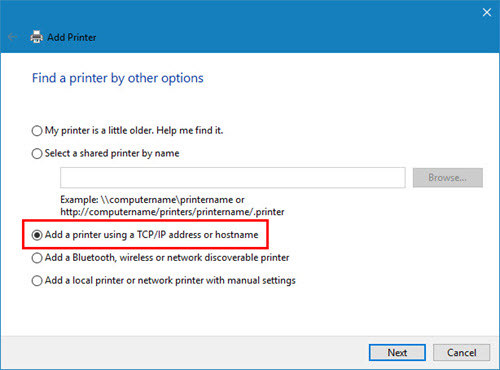
- Enter the current address or hostname and continue. If Windows requests a driver, select the exact model or download the driver from the printer manufacturer. Use Have Disk if the manufacturer supplies an extracted driver with an
.inffile.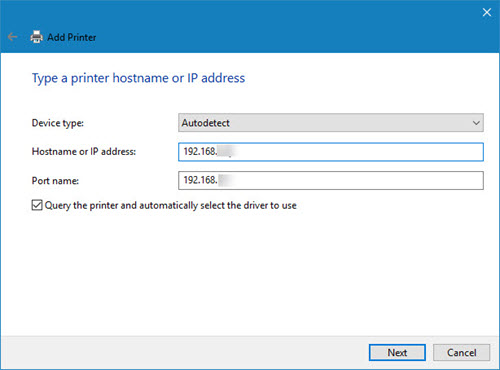
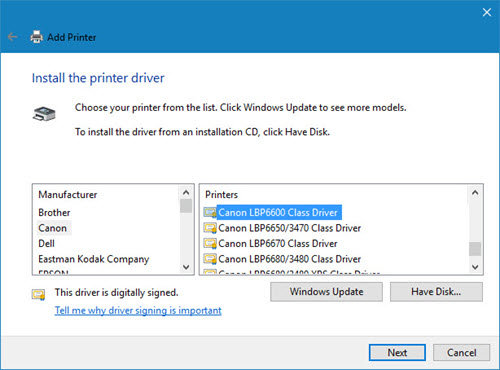
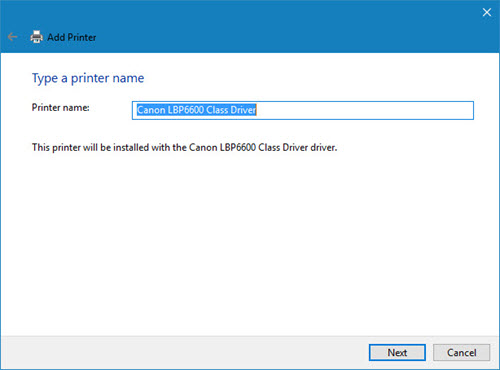
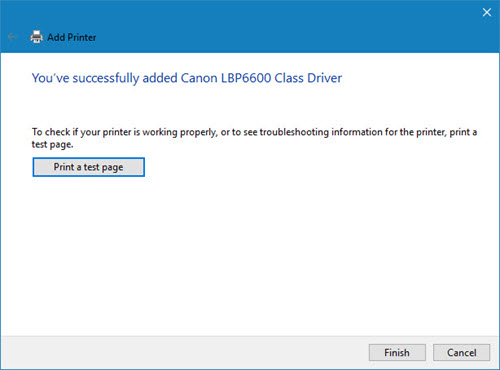
- Name the printer and complete setup. Use Print a test page to check the connection.
If the printer is shared from another PC
Choose Select a shared printer by name and enter \PCNamePrinterShareName. The host PC must be reachable and configured to share the printer. See Microsoft’s sharing instructions.
If a directly connected printer later goes offline, check whether its IP address changed. A DHCP reservation can give it a predictable local address when your router supports reservations.
Related Articles
 5 Portable Printers for Documents, Photos, Labels, and Scanning
 How to fix printer error Canon 2900 not receiving print job
 4 of the best Canon printers to buy right now.
 How to fix print streaks, wrong colors on Canon color inkjet printers
 The best multifunction printer 2018
 Instructions for installing Canon MF4720W multi-function laser printer
Reader Comments 0
Sign in with email or Google to join the discussion.