Table of Contents
This guide explains how to restart the Windows Explorer. Exe Process, with clear steps, practical tips, and important checks before you begin.
Explorer. exe is an executable file in Windows operating systems located at C: Windowsexplorer. exe. When Windows starts and the user logs on, the Supported operating systems launches the Explorer. exe process, displaying the Windows user environment like the desktop, taskbar, and Start menu.
To restart the Explorer. exe process, you can perform the 3 different methods described by TipsMake. com below.
Method 1: Restart Windows Explorer. exe via Task Manager
If you are using Windows 10, the easiest way to restart Explorer. exe is through Task Manager.
To restart Explorer. exe in Windows 10, please follow these steps:
Step 1 . Open Task Manager by pressing Ctrl+ Alt+ Deleteand select Task Manager or right-click the taskbar and select Task Manager. When Task Manager is opened, click the More details option .
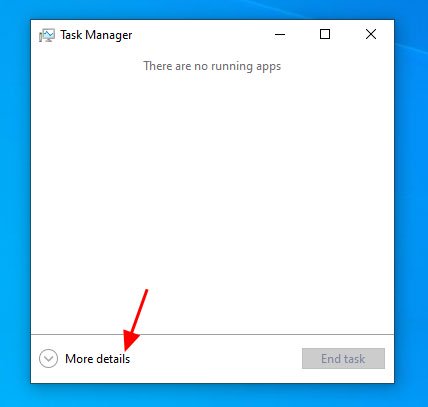 Click the More details option
Step 2 . When the full list of processes is displayed, scroll down until you find the Windows Explorer process. Then right-click on this process and select Restart.
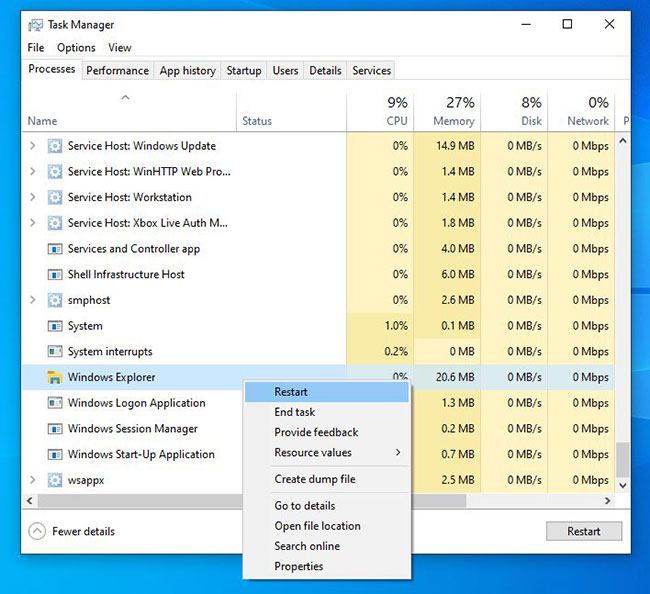 Right-click on the process and select Restart
Step 3 . The Explorer. exe process will end and automatically restart. During this process, you should see the desktop disappear briefly and then reappear.
Step 4 . Now that Windows Explorer has been restarted, you can close the Task Manager.
Method 2: Restart Windows Explorer. exe from the Command Prompt
This method lets you restart the Explorer. exe process directly from the Command Prompt. This method works in Windows 7, Windows 8 and Windows 10.
To restart Explorer. exe from the Command Prompt, please follow these steps:
Step 1 . Open Command Prompt.
Step 2 . When the Command Prompt opens, type the command taskkill /F /IM explorer.exe & start explorerinto it and press it Enteron the keyboard. This command will stop explorer. exe and then immediately restart the process so you can see your desktop again.
 Type taskkill / F / IM explorer. exe & start explorer
Step 3 . After entering the command, you should see the Windows desktop disappear for a second and then reboot. You can now close the Windows Command Prompt because the Explorer. exe process has been restarted.
Method 3: Exit Explorer and then reboot through Task Manager
If you are using Windows 7 or any version of Windows, you can also restart the Explorer. exe process by first ending the process in Task Manager and then running it again from the Create New Task dialog box.
To restart explorer. exe by ending the process first, you can perform the following steps:
Step 1 . Open Task Manager. Once Task Manager is opened, scroll through the list of processes until you find the explorer. exe process and right-click on it. When the context menu opens, click the End Process option .
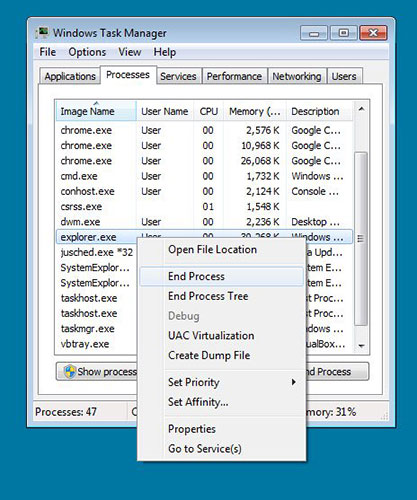 Click the End Process option
Step 2 . When you try to finish the explorer. exe process, you need to confirm the request. Click the End Process button to confirm.
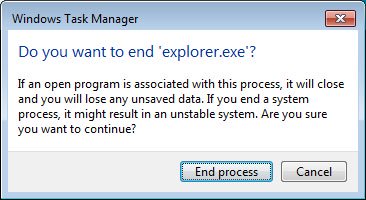 Click the End Process button to confirm
Step 3 . Now you will see Explorer disappear and you are left with a blank screen with Task Manager. In Task Manager, click the File menu and select New Task (Run.) .
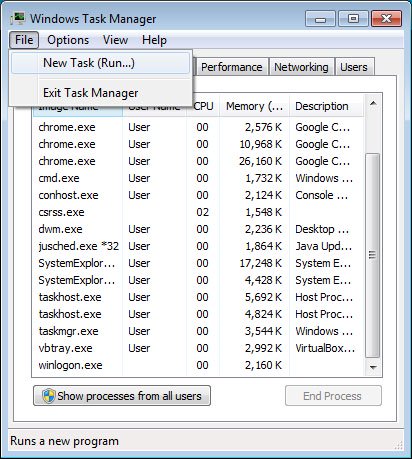 Click the File menu and select New Task (Run.)
Step 4 . When the Create New Task prompt appears, enter explorer. exe in the Open field : then click the OK button .
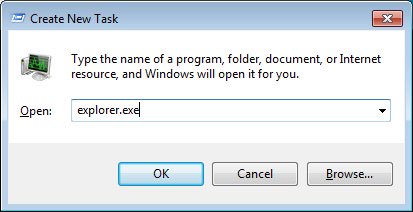 Enter explorer. exe in the Open field:
Step 5 . The Explorer. exe process will launch and you should see Windows Desktop again. Now the Explorer. exe process has started and you can see the desktop. Just close Task Manager and you're done.
FAQ
What should I know about Restart the Windows Explorer. Exe Process?
Focus on the key features, requirements, limitations, and practical use cases explained in this guide.
How do I get the best results with Restart the Windows Explorer. Exe Process?
Follow the recommended steps, use current software or information, confirm compatibility, and review settings before major changes.
Are there any risks or limitations?
Potential limitations depend on compatibility, data quality, cost, privacy, support, and how the product or method is used.
Related Articles
 Ways to Restart a Windows 11 PC4 minutes read
 6 Ways to Restart Your Windows Computer from Simple to 'Pro'6 minutes read
 How to Restart (Restart) Applications on Windows 11 and Windows 104 minutes read
 How to Restart a Mac5 minutes read
 Windows 11 Has an 'Emergency Shutdown' Option Most Users Miss5 minutes read
 Windows Update Rolled Back? Here's How to Fix It: Explained6 minutes read
Reader Comments 0
Sign in with email or Google to join the discussion.