Table of Contents
1. What is Safe Mode?
This guide explains Safe Mode? When to Use Safe Mode, why it matters, how it works, and how to evaluate or use it in practical situations.
Safe Mode was built by developers with the main purpose of fixing errors and solving unintended problems on their operating systems. Safe Mode is programmed with very basic and default settings of the system such as: Only the necessary drivers are active, the installed applications will be exited, only the default application on the system.

When you access Safe Mode, the system will not use all the available drivers, it only uses the VGA display card mode available (16 colors, low resolution 800x600 pixels). The purpose of Safe Mode is to minimize as much as possible so that users can quickly find the causes of errors and fix them as quickly as possible.
Eliminating third-party software will reduce errors when entering Safe Mode and eliminate the causes of user error. Because of that, when you enter Safe Mode you will see the interface, the feature couldn't be simpler.
Safe Mode has many different ways of working, it can automatically open when it feels that the Windows Supported operating systems you are using is something of an instability such as: Virus, software error, Driver error or other related errors.
regarding the Supported operating systems. When Safe Mode is open, you can look up the causes and fix them to be able to return to Windows normally and stably. In addition, users can also actively open Safe Mode when they feel necessary, such as: need to fix errors, delete applications.
2. Why is Safe Mode often used to fix errors?
As explained above in the Software Wizard, Safe Mode is a minimal mode possible from the original Supported operating systems version. Because of that, malicious code, Supported operating systems errors, drive failures will not be able to cause errors in Safe Mode. Safe Mode will be the savior whenever your computer has software problems.
3. When do I need to use Safe Mode?
Malware / Virus / Malware Scan: When in Safe Mode, unnecessary things have been removed so Virus / malware will not be able to run in the background in Windows, so anti-virus software will easily scan them. and delete them. On Windows, the virus / malware runs in the background, making it impossible for us to delete or do anything because it will constantly report an error.

Run System Restore: For some reason that you are unsure makes your Windows Supported operating systems no longer stable, you can use System Restore in Safe Mode.
System Restore will use previous System Data Backups that it has automatically backed up to bring your computer to the most recent state (based on the Backups it recorded). Running System Restore on Safe Mode is more effective because this is a clean Supported operating systems platform without the intervention of 3rd party software.

Remove the software thoroughly: On Windows operating systems, the software will remain active until you remove them, which makes it still not thorough and clean. In Safe Mode, you remove the software in Control Panel will be much cleaner and more thorough.
Typical example: If anyone has ever installed Avast Free Antivirus, it would be very frustrating to uninstall the application. To remove Avast, force you to Safe Mode and you can uninstall it!
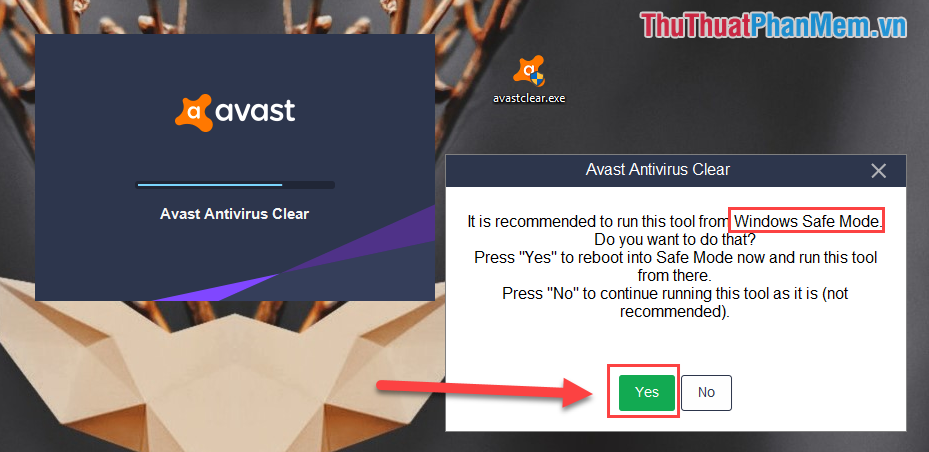
Uninstalling the Error Driver: The drivers on the faulty computer will prevent you from accessing Windows and your job is now in Safe Mode to find the defective driver. Removing driver errors or updating them will be the best solution in this regard.
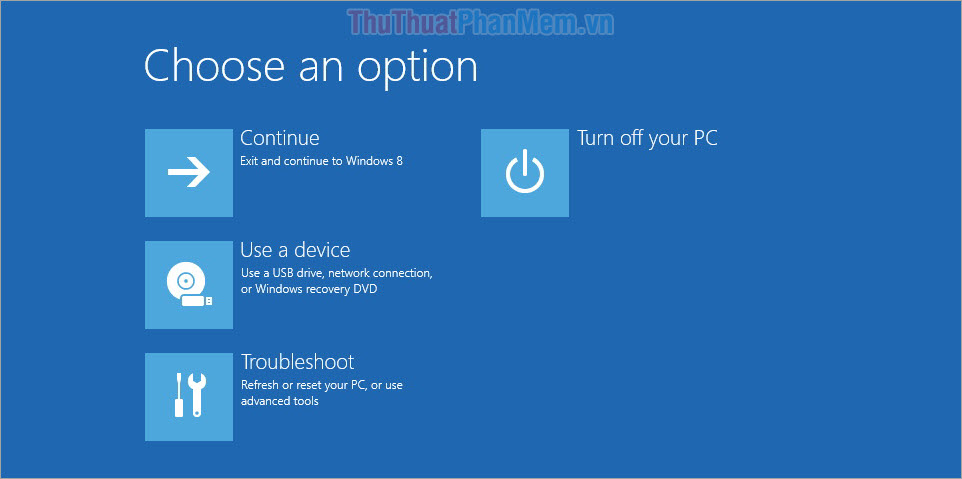
However, to make the most of SafeMode, it requires users to have basic skills on Windows computers. If you have had too many hours in "Safe Mode" to solve the problem, perhaps you should reinstall Windows faster and more efficiently.
FAQ
What should I know about Safe Mode? When to Use Safe Mode?
Focus on the key features, requirements, limitations, and practical use cases explained in this guide.
How do I get the best results with Safe Mode? When to Use Safe Mode?
Follow the recommended steps, use current software or information, confirm compatibility, and review settings before major changes.
Are there any risks or limitations?
Potential limitations depend on compatibility, data quality, cost, privacy, support, and how the product or method is used.
Related Articles
 All Problems with Starting Windows in Safe Mode8 minutes read
 How to Turn on Safe Mode on Android7 minutes read
 The Procedure to Open Microsoft Office 2013/2016 in Safe Mode5 minutes read
 How to Boot into Safe Mode on Mac: Practical Guide5 minutes read
 Start Safe Mode on Windows XP: Explained4 minutes read
 How to Access Safe Mode Windows 10 on Startup9 minutes read
Reader Comments 0
Sign in with email or Google to join the discussion.