Table of Contents
This updated guide examines How to Restart Windows Explorer Without Rebooting Computer and organizes the essential facts, background, and practical takeaways in clear American English.
Method 1of 2:
Windows 10 and 8
 Open the Task Manager. Since the taskbar is likely to be frozen along with Windows Explorer, pressingCtrl+⇧Shift+Escwill also open the Task Manager.
 Switch to the detailed view, if in the simplified view. Click the "More details" button at the bottom-left, which will expand the window and allow you to view your active processes.
 Click the "Name" column heading. Doing so will organize the content in the window and allow you to find the Windows Explorer process easier.
 Scroll down to the "Windows processes" section at the bottom of the list.
 Click the "Windows Explorer" process listing. It'll have a small file folder
 icon next to it.
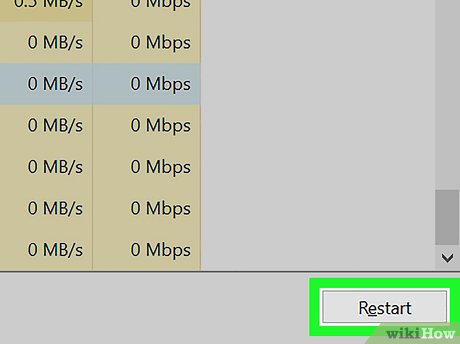 Restart Windows Explorer. Click theRestartbutton at the bottom-right corner of the Task Manager window. Doing so will end the process and begin another instance of it.
- Alternatively, right-click the listing and clickRestart.
Method 2of 2:
Windows 7, Vista, and XP
 Open the Task Manager. Since the taskbar is likely to be frozen along with Windows Explorer, pressingCtrl+⇧Shift+Escwill also open the Task Manager.
 Click theProcessestab.
 Click the "Image Name" column heading. so will order the processes from A-Z and allow you to find the Windows Explorer process easier.
 Click the "explorer.exe" process listing.
 End the Windows Explorer process. Click theEnd Processbutton at the bottom-right corner of the Task Manager window. The Windows Shell and any open Windows Explorer windows will disappear.
 Click the "File" menu in the top bar.
 ClickNew Task (Run…). Doing so will open a Run window.
 Run Windows Explorer. Typeexplorerand clickOKor hit the↵Enterkey. The Windows Shell GUI will return, although any previously-closed Windows Explorer windows will not be re-opened.
FAQ
What is How to Restart Windows Explorer Without Rebooting Computer about?
It provides a structured overview of windows, explains the main context, and highlights practical takeaways for readers.
Why does this topic matter?
Understanding the main concepts helps readers evaluate the issue, avoid common mistakes, and make better-informed decisions.
How should readers use this information?
Use the guidance as a practical starting point, confirm details that may have changed, and follow current product, safety, or security recommendations.
Related Articles
 How to Restart Explorer.exe on WIndows 104 minutes read
 How to Restart Windows Explorer When It Hangs Without Losing Data3 minutes read
 6 Ways to Restart Your Windows Computer from Simple to 'Pro'6 minutes read
 How to Restart the Windows Explorer. Exe Process5 minutes read
 Microsoft Acknowledges That the Computer Hangs After Updating to the Latest Versions of Windows 104 minutes read
 How to Turn It Back on, Restart Windows Explorer When It Hangs2 minutes read
Reader Comments 0
Sign in with email or Google to join the discussion.