Table of Contents
Explore future smartphones may have less ram due to AI and soaring memory prices.
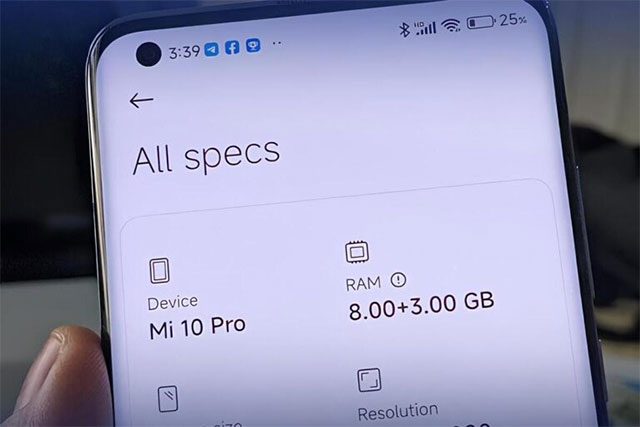
This is very likely to happen with smartphone models expected to launch in 2026. According to leaked information from Lanzuk (@yeux1122) on Naver, memory prices are rising sharply, and phone manufacturers may have to reduce RAM capacity to continue the price war.
This assessment also aligns with a recent report from market analysis firm TrendForce. According to the report, memory prices are predicted to "rise significantly again in Q1 2026," putting substantial cost pressure on electronics manufacturers worldwide.
Sources indicate that smartphones equipped with 16GB of RAM may gradually become extinct, while models with only 4GB of RAM are predicted to see a significant increase. Notably, users may even have to pay more for smartphones with lower RAM capacity compared to the current generation.
Specifically, smartphone models with 12GB of RAM may see a 40% price drop and be replaced by 6GB or 8GB versions. Meanwhile, the 8GB RAM segment could see a 50% reduction, making way for models with only 4GB or 6GB of RAM.
Pricing is always a crucial factor for a smartphone brand. Recently, there have been reports suggesting that Samsung may continue using older camera hardware for the Galaxy S26 to counter Apple's "price freeze" strategy on the standard iPhone 17 series.
The root cause of this situation stems from the AI boom in recent years. Large businesses and corporations are rushing to buy high-bandwidth memory (HBM) to power their data centers and AI servers. Meanwhile, memory manufacturers are gradually moving away from the consumer RAM market, as the enterprise segment offers more attractive profit margins.
Current production capacity is insufficient to meet both consumer and enterprise market demands simultaneously. As a result, manufacturers are prioritizing HBM over mainstream DRAM, causing memory prices to skyrocket.
The wave of memory price increases is also spreading to the laptop market. Another report from TrendForce indicates that major PC brands like Dell and Lenovo have begun notifying customers about upcoming price hikes. Dell, in particular, is expected to raise prices by 15–20%, with the adjustment potentially starting as early as mid-December.
Earlier this month, Micron also announced its withdrawal from the consumer market and the closure of its familiar memory and storage brand, Crucial. The escalating memory prices could continue into the second half of 2026, forcing manufacturers to further adjust prices if necessary.
HP CEO Enrique Lores reportedly stated that RAM chips now account for approximately 15–18% of the cost of a typical PC. As memory becomes an increasingly significant component of the bill of materials (BOM), Apple is expected to reconsider its pricing strategy for new models, while also reducing incentives for older models.
Final Thoughts
Understanding future smartphones may have less ram due to ai and soaring memory prices makes it easier to evaluate the information and apply the most relevant recommendations. Focus on the key points above and verify details that may change over time.
FAQ
What is future smartphones may have less ram due to ai and soaring memory prices?
Explore future smartphones may have less ram due to AI and soaring memory prices.
What key points does this article cover?
The article explains the core concept, important considerations, and practical details readers should understand.
How can you use this information in practice?
Use the explanations to compare options, verify important details, and make a more informed decision. Apply the recommendations that best match your goals and situation.
Related Articles
 RAM Prices Hit $400, GPUs Soared to $3,700: the PC Market Is Entering a Serious Crisis9 minutes read
 The Price of RAM Is Very Low, This Is a Reasonable Time for You5 minutes read
 Smartphone Will Replace the Car Keys in the Future4 minutes read
 5 Smartphones with the Most Memory Today5 minutes read
 How to Test iPhone 6/6 Plus Using MLC or TLC Memory4 minutes read
 Tips to Help Save Memory Space on Smartphones8 minutes read
Reader Comments 0
Sign in with email or Google to join the discussion.