Table of Contents
Protect Smartphones from 'Freezing Dead' is easier to understand when the core ideas are paired with practical examples. The sections below explain the topic clearly, highlight useful steps, and point out details that can prevent common errors.
Not only does the living entity need to be protected from the cold, but even the 'pet crickets' need to be taken care of like anyone. Your phone may be designed to even withstand water, but few have noticed that the cold can also 'erode' electronic devices.
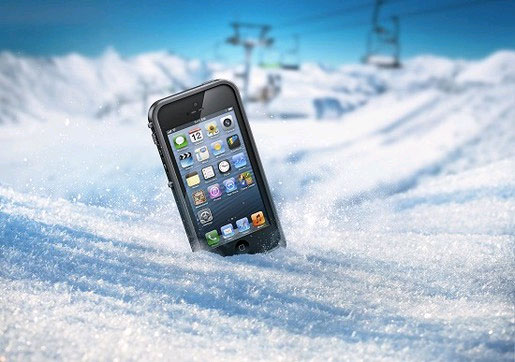
Cold weather may be a relatively good news for Nokia Lumia, when this product demonstrates the touch feature through the whole glove class, while most current smartphones rely on contact with their bodies. people to work. But whatever the smartphone is, it's not an ideal environment for them to function.
Cold weather badly affects lithium-ion batteries. Battery capacity can be consumed faster than usual, even up to 40%. Not only that, in some cases, even though it is operating normally, it may still die suddenly. However, the phenomenon only occurs temporarily and when the temperature warms up, the machine will resume normal operation.
Besides batteries, the phone screen may also be impacted when facing cold weather. There have been reports of an iPhone screen breaking when exposed to extremely low temperature conditions. In general, liquid crystal displays cannot work well in cold weather. Many other parts of the device can also start 'hibernate' when the temperature drops too low. Of course, thanks to the heat from the processor and electronic devices inside, they still work. But going to bed and throwing the phone in the car overnight is really careless.
It's better to keep your iPhone in a bag and under the jacket. The same with the iPad. Using a back cover, leather case. can also help keep the phone warm. If you still need to use your phone to make calls in some important cases, users should bring a backup power source.
typically, the concern about MacBook temperatures is that they can overheat. But that trait may be good news for people who are using the device during the cold season this year.
However, if the MacBook is placed in a cold outside bag, it can still fall within the storage temperature range and below the operating temperature, depending on the move and the bag being left in a good car. is not.
For those traveling by public transport or walking, a computer left in a bag that is carried in cold weather will fall into the low storage temperature range. So, for those who have just entered the room after a long trip, it is necessary to remove the MacBook from the cooler immediately, start and warm it to reach its range, just like heating up. a car
Maybe in Vietnam, it is not so cold as in Western countries or Japan is suffering from the worst weather in years. But ice has appeared in the northern highlands. And of course, those who go there to watch the snow or sightsee do not intend to leave their "mobile phone" at home.
FAQ
What is Protect Smartphones from 'Freezing Dead'?
Not only does the living entity need to be protected from the cold, but even the 'pet crickets' need to be taken care of like anyone.
Why is Protect Smartphones from 'Freezing Dead' important?
A clear understanding of Protect Smartphones from 'Freezing Dead' helps you make informed decisions, avoid common mistakes, and use the relevant tools or techniques more effectively.
How should beginners approach Protect Smartphones from 'Freezing Dead'?
Start with the fundamental concepts, follow the examples step by step, and test each change in a safe environment before applying it to important systems or data.
Related Articles
 Tips for Using Smartphones to Overcome Cold Winter Days6 minutes read
 Summary of the Best Computer Freezing Software6 minutes read
 How Does India Bring the Dead Dead to Life Next Month3 minutes read
 Dead Island 2: How to Get the Key to the Security Guard's Safe4 minutes read
 Check Out the Top 5 Top Hard Drive Freezing Software in 2023: Best Options12 minutes read
 Latest Dead Camp Code and How to Redeem Code for Rewards4 minutes read
Reader Comments 0
Sign in with email or Google to join the discussion.