Table of Contents
South Korea's AI-integrated curriculum has been scrapped after just four months due to fierce opposition from teachers, students and parents, highlighting the challenges of incorporating technology into education.
South Korea's AI-integrated curriculum has been scrapped after just four months due to fierce opposition from teachers, students and parents, highlighting the challenges of incorporating technology into education.

South Korea's AI-Based Education Revolution Plan
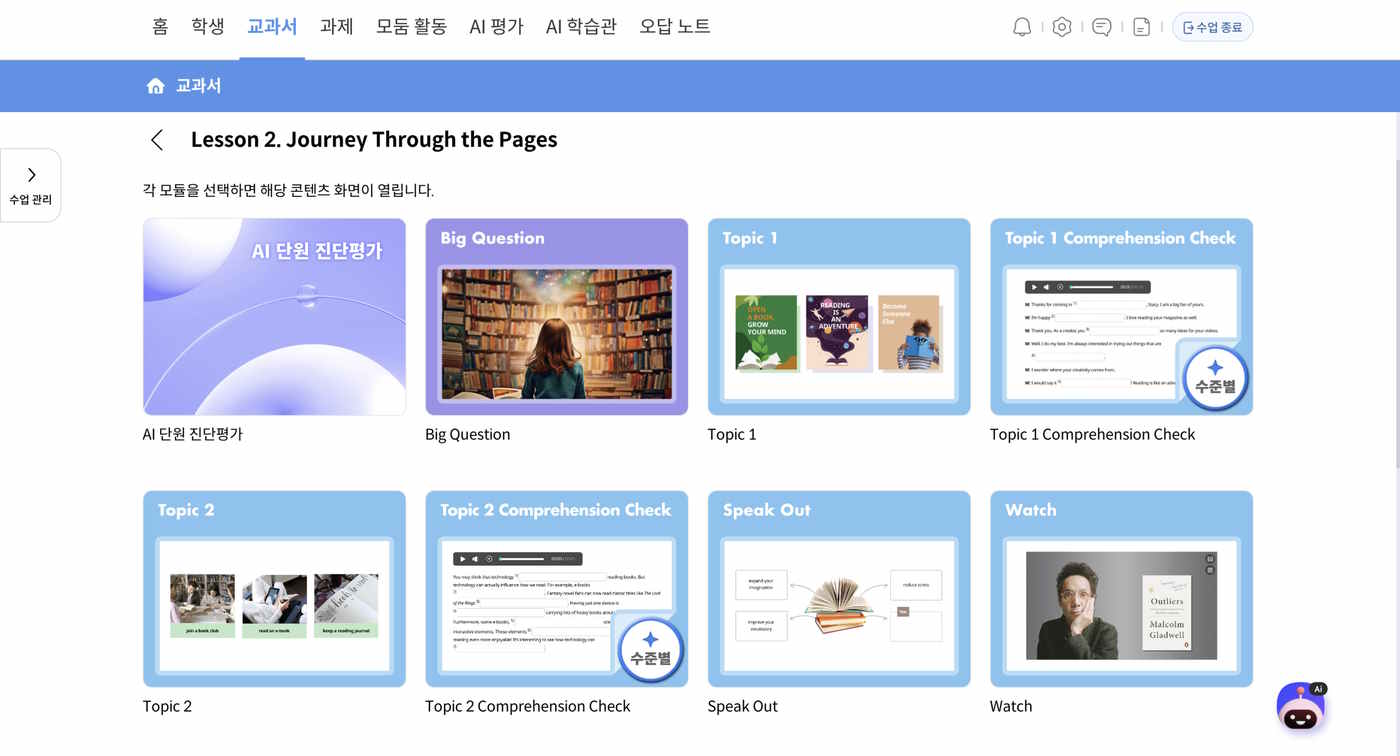
The use of AI-powered digital textbooks has brought with it many expectations. These AI-powered learning tools analyze students' learning behavior in real time and provide personalized feedback based on that. This allows teachers to tailor lessons more effectively to each student's needs. Weaker students will receive extra support, while stronger students will be challenged with more advanced content.
AI-powered textbooks aim to increase educational equity and reduce South Korean students' dependence on so-called "Hakwons" - expensive private tutors that disadvantage poorer students who don't have access to them.
Former South Korean President Yoon Suk-yeol and Education Minister Lee Juho saw AI textbooks as an opportunity and planned nothing short of a revolution. Starting in 2025, AI-powered textbooks will be mandatory in elementary and middle school classrooms in math, English, and computer science. Lee Juho promised that AI textbooks would ' Liven up the classroom ' and motivate students to study hard. This could also prevent dropouts. However, the results have not been as expected.
Lessons from South Korea's failure to bring AI into education
South Korea's ambitious AI textbook program has been scrapped after just four months due to a number of issues. The program, which cost a whopping 1.2 trillion won ($850 million), was initially supposed to be mandatory but was later made optional due to fierce opposition from parents and teachers. The decision to scrap the program has raised questions about the readiness of the South Korean education system to effectively integrate AI technology.
The program has faced significant challenges, including inadequate teacher preparation, technical issues, data privacy concerns, and excessive screen time. Many teachers feel they are not properly trained to effectively integrate AI textbooks into their curriculum, while students experience delays and frustration with the technology. Some students also feel the AI textbooks do not provide lessons appropriate to their level, further exacerbating the problem.
The politicization of the program also played a role in its demise. The new administration decided to scale back the program, citing concerns about its effectiveness and value for money. The decision to cancel the program has significant implications for the future of AI in education, with many questioning the government's commitment to innovation and reform.
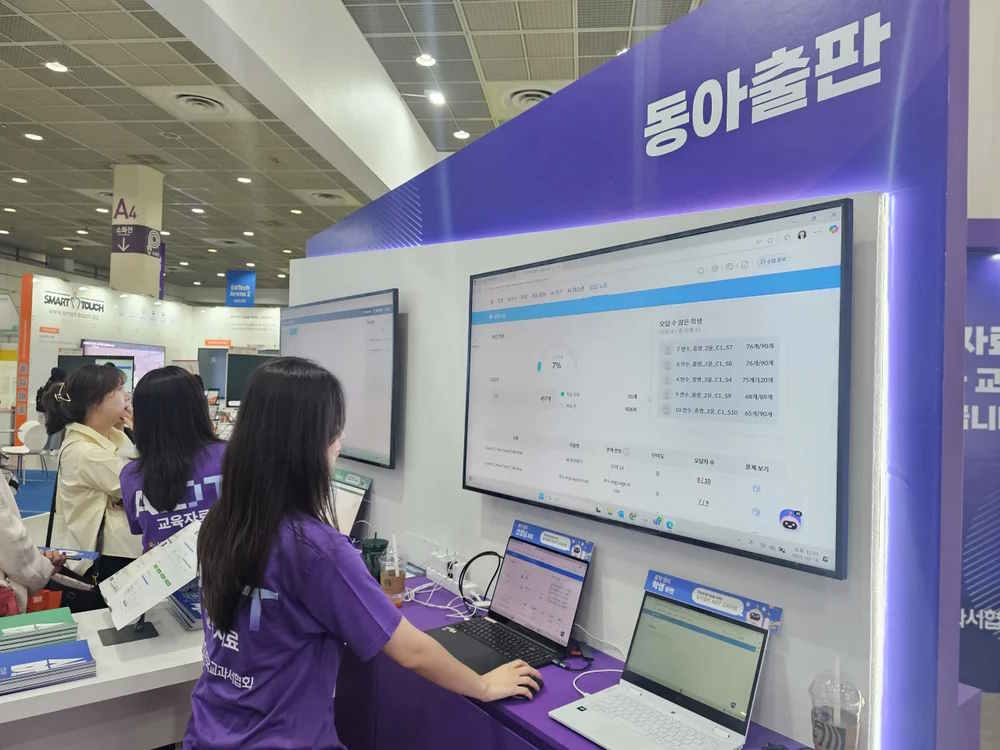
The failure of South Korea's AI textbook program is a sobering lesson for governments and educators around the world. As AI technology continues to advance at a rapid pace, it is clear that effective implementation requires careful planning, investment, and support. The program's demise highlights the need for a more nuanced approach to integrating AI into education, prioritizing teacher training, student needs, and technical infrastructure.
FAQ
What should you know about expensive lessons from korea's failure to digitize textbooks after only 4?
In practical terms, south Korea's AI-integrated curriculum has been scrapped after just four months due to fierce opposition from teachers, students and parents, highlighting the challenges of incorporating technology into education.
Why does expensive lessons from korea's failure to digitize textbooks after only 4 matter?
The article highlights that south Korea's AI-Based Education Revolution Plan The use of AI-powered digital textbooks has brought with it a lot of expectations.
What is the main takeaway?
The main takeaway is that lessons from South Korea's failure to bring AI into education South Korea's ambitious AI textbook program has been scrapped after just four months due to a number of issues.
Related Articles
 How to Digitize Analog Music Using Free Software9 minutes read
 When You Encounter Failure, Remember These Sayings: Key Facts14 minutes read
 Important Lessons from a Failed Marriage: Complete Guide7 minutes read
 Tips Mental Arithmetic You Can't Find in Textbooks3 minutes read
 How to Shape Failure Brings True Success for Yourself7 minutes read
 The Most Expensive 16 Treasures on the Planet Are Astonishing6 minutes read
Reader Comments 0
Sign in with email or Google to join the discussion.