Table of Contents
What serves as the most dangerous insect in Asia? How to avoid this dangerous insect?
What is the most dangerous insect in Asia? How to avoid this dangerous insect? Let's find out together!
Giant hornets can devastate entire bee colonies. Disease-carrying insects can attack while you sleep. Giant poisonous centipedes can invade your home. These aren't scenes from a horror movie, they're real insects found all over Asia, and some of them are responsible for thousands of deaths each year.
From the mountains of Japan to the jungles of Southeast Asia, the continent is home to some of the most dangerous insects on Earth. Understanding why they are dangerous and how to avoid them could save your life.
Giant hornets are nature's most feared killers.
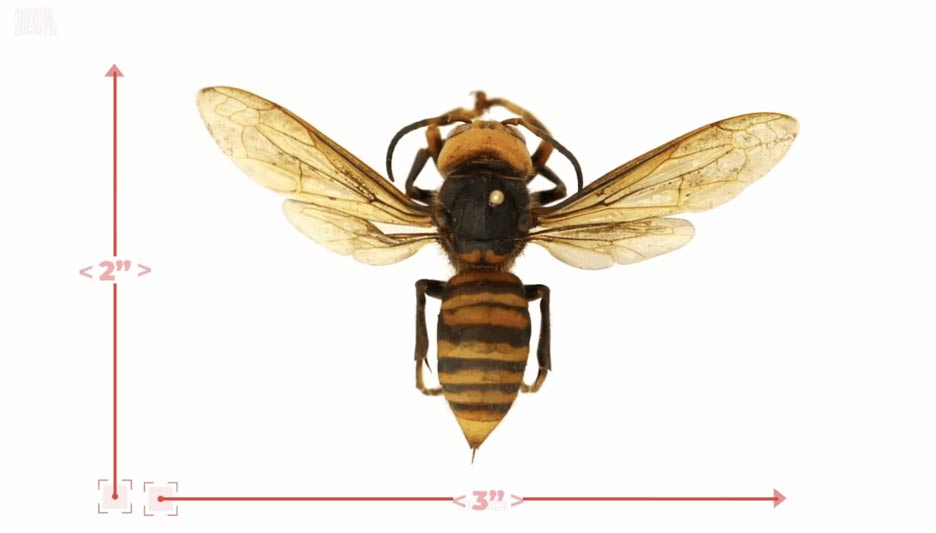
First up is the infamous Asian giant hornet, often referred to as the 'murder hornet.' Native to East Asia, particularly Japan, Korea, and China, these hornets made international headlines when they appeared on the West Coast of North America in 2019 and 2020.
These hornets live mainly in lowland and dense forests, and almost exclusively prey on other insects, especially honeybees. They hunt in packs and are capable of beheading bees with their massive jaws. Adults can grow up to 5 cm long with a 7.6 cm wingspan, making them the largest hornets in the world.
Their venom contains a powerful neurotoxin that can penetrate even thick beekeeping suits. If stung multiple times, you can go into anaphylactic shock and die within minutes. Although hornets rarely attack humans unless provoked, they are responsible for up to 50 deaths a year in Japan.
How to avoid wasps: Stay away from wasp nests, especially in late summer and early fall. If stung, wash the wound, apply a cold compress, take an antihistamine, and seek medical attention immediately if you have a serious reaction.
Chinese Red Headed Centipede
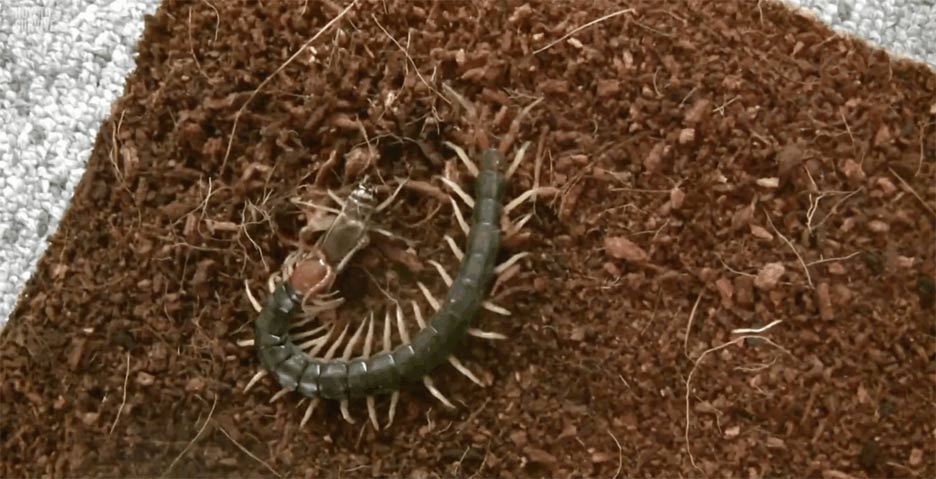
Next up is the Chinese red-headed centipede, a predatory insect capable of taking down small mammals and reptiles. Its venom, delivered through its forelimbs, or pincers, contains more than 20 toxins designed to paralyze prey almost instantly. The bite causes intense burning pain that can last for days, and in rare cases can lead to kidney failure, respiratory failure, or anaphylactic shock.
These centipedes are also excellent climbers, capable of scaling walls and ceilings, making them unpredictable intruders. With incredible resilience, the red-headed centipede can survive hours of submersion in water, withstand extreme temperatures, and even regrow lost limbs.
How to prevent red-headed centipedes: Avoid dark, damp places. Keep your home dry and seal off potential entry points.
Asian giant forest scorpion
The Asian giant forest scorpion is one of the largest scorpions in the world, growing up to 23 centimeters long. With shiny black and green bodies and powerful pincers, these nocturnal predators feed on insects, small mammals, and even other scorpions.
Their venom is not usually fatal to humans but can cause severe pain, swelling, and in some cases, dangerous allergic reactions.
How to avoid forest scorpions: Be careful when handling rocks or debris in the forest. If stung, clean the wound, apply a cold compress, and take pain medication.
Bed bug
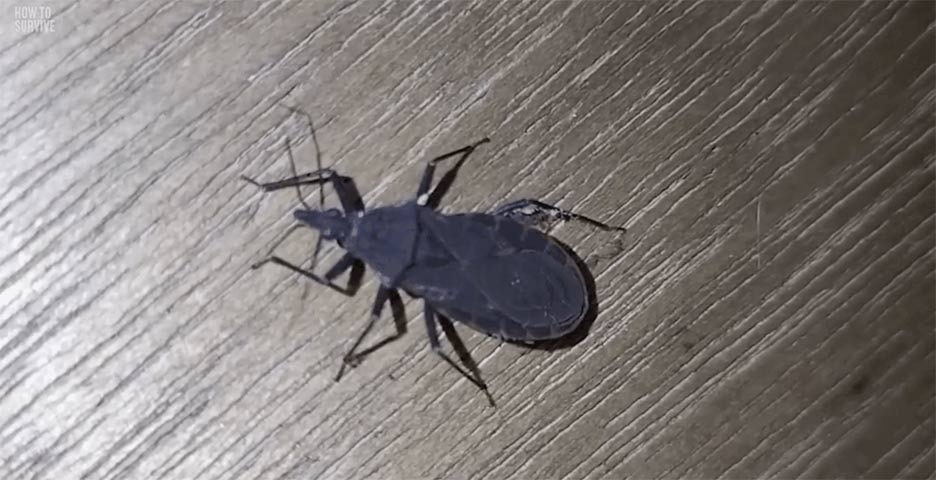
Kissing bugs are small but silent threats. They feed on the blood of mammals, including humans, and usually bite near the eyes or mouth, hence their name. They are found in rural areas across Southeast Asia, hiding in the cracks and crevices of old houses.
While the bite itself is not venomous, their feces can carry the parasite Trypanosoma cruzi, which causes Chagas disease. The disease affects 6 to 7 million people worldwide and can lead to serious cardiovascular and digestive problems if left untreated.
How to avoid bed bugs: Check your sleeping area for cracks or hiding places, use bed nets, and seek medical attention immediately if bitten.
Asian Tiger Mosquito
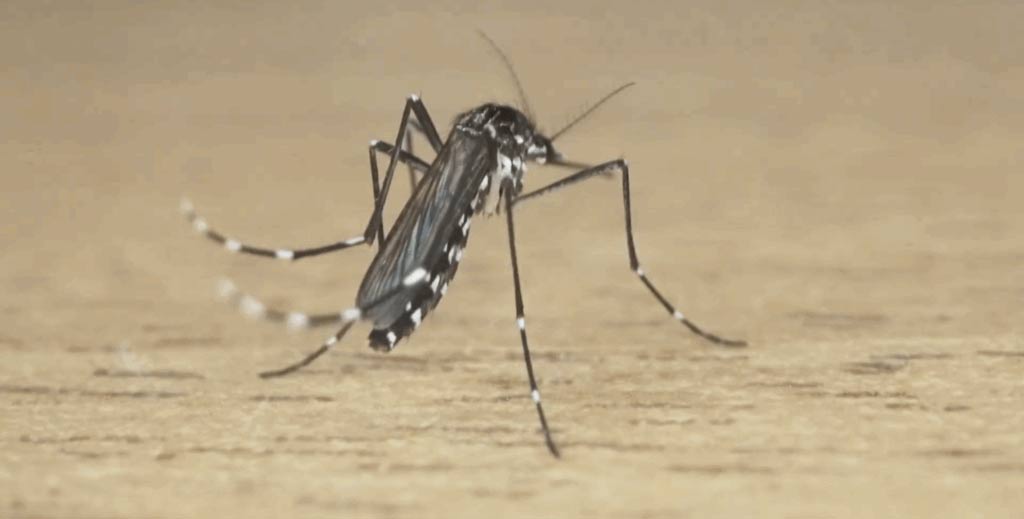
The Asian tiger mosquito is responsible for millions of infections each year. Native to Southeast Asia, it is now found worldwide, including in parts of North America. Distinguished by its black and white stripes, the mosquito carries diseases such as dengue fever, Zika virus, chikungunya and West Nile virus.
How to avoid Aedes mosquitoes: Use insect repellent, wear long clothing, and eliminate standing water. Seek medical attention immediately if you have a high fever, severe headache, or joint pain.
FAQ
What should you know about the most dangerous insects in asia?
In practical terms, what is the most dangerous insect in Asia? How to avoid this dangerous insect.
Why does the most dangerous insects in asia matter?
The article highlights that these aren't scenes from a horror movie, they're real insects found all over Asia, and some of them are responsible for thousands of deaths each year.
What is the main takeaway?
The main takeaway is that from the mountains of Japan to the jungles of Southeast Asia, the continent is home to some of the most dangerous insects on Earth .
Related Articles
 List of the Most Dangerous Insects in the World7 minutes read
 The Most Unique and Beautiful Nest Eggs in the World of Insects4 minutes read
 Let Justin Schmidt Try to Feel the Pain of Being Caught by Insects with the 'Strongest Sting8 minutes read
 New Research on Butterflies Suggests Insects May Be Smarter5 minutes read
 Direct View Link U23 Vietnam - Thailand U237 minutes read
 How to Prevent Common Summer Pests from Entering Your Home7 minutes read
Reader Comments 0
Sign in with email or Google to join the discussion.