Table of Contents
Here are the worst things you should avoid doing during a tsunami and how to avoid them.
Tsunamis Are one of the most violent and fast-moving natural disasters on Earth. Triggered by underwater earthquakes, volcanic eruptions, or landslides, these towering waves can travel as fast as a jet plane and reach heights of more than 30 meters. They can flatten cities, rip trees from the ground, and send cars tumbling like toys. In the chaos and panic of an incoming wave, split-second decisions can mean the difference between life and death.
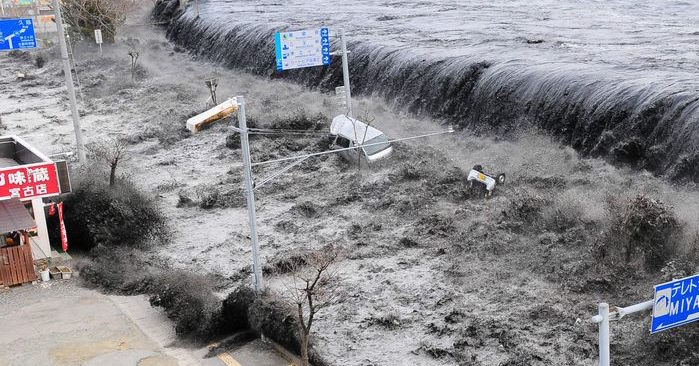
Unfortunately, many people make serious mistakes that cost them their lives. Here are The worst things you should avoid doing during a tsunami and how to avoid them.
Too curious
When the ocean suddenly recedes from the shore, it can seem like an exciting phenomenon. But don't think of it as a photo opportunity. When the ocean recedes sharply, it's a warning sign that a tsunami is coming.
Some people venture further out to explore the seabed without realizing they are entering a dangerous area. By the time you see the wave, it is often too late to escape. So always get out of the water immediately and to higher ground if you notice this unusual phenomenon.
Ignore the signs
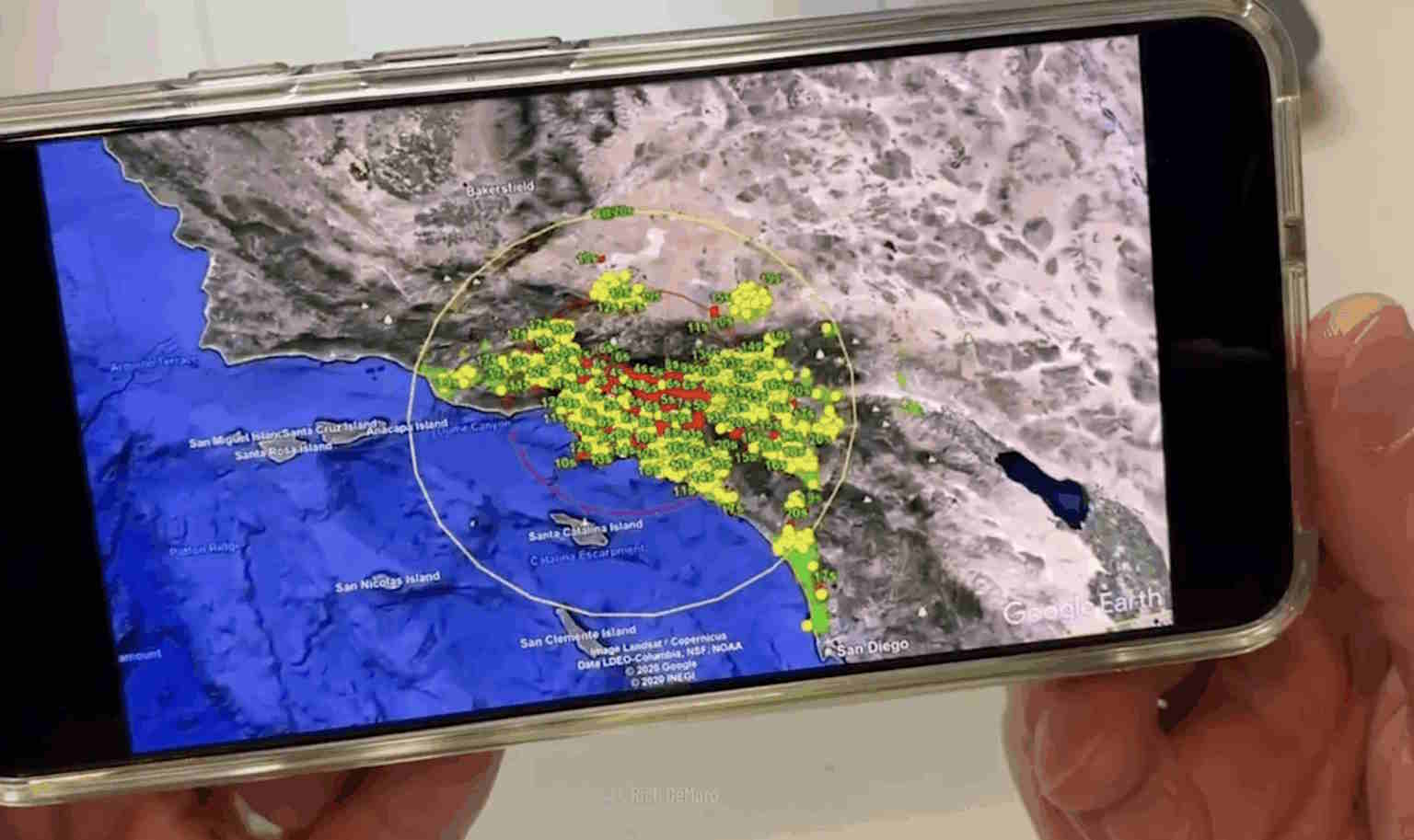
Tsunamis often come with both subtle and obvious warnings. If you feel a strong or prolonged earthquake near your shore, a tsunami may follow. Listen for loud noises, similar to aircraft or sirens. These may signal waves are approaching. Emergency warning systems, sirens, or alerts on your phone or radio may also sound. Take all warnings seriously.
Don't assume a tsunami won't affect your area. Be prepared to move inland immediately and help others evacuate if possible.
Not acting fast
Once a tsunami warning is issued, you may have less than thirty minutes to act, but don't assume that much time. In some cases, waves can arrive in just a few minutes. Do not attempt to pack or gather your belongings. If you are stuck in traffic, abandon your car and run to the nearest high ground. Vehicles can be swept away or knocked down by the wave. Your best chance of survival is to get to a tall building or natural high ground as quickly as possible.
Coming home too early
After the first wave passes, it may seem like the danger has passed, but that is not always the case. Tsunamis often come in multiple waves over several hours. The second or third wave can be larger than the first.
Going home too soon could put you in even more danger. In 2011, a California man was swept away and killed by a second wave while taking photos after the initial impact. Stay in shelter or on high ground until authorities declare it safe.
Even after the waves have subsided, the danger is not gone. Flooded areas may hide damaged roads, unstable buildings, or contaminated water supplies. Bridges may be at risk of collapse. Electrical systems and gas lines may be damaged. If your home is in the path of the water, wait for emergency crews to check before returning.
Never drink tap water until it is confirmed to be safe. Damage caused by a tsunami can last long after it has passed.
Letting your guard down too soon
Surviving the initial wave is only part of the challenge. Aftershocks, fires, landslides, or dam failures can follow a major tsunami. Stay alert and prepared for other emergencies. Always carry a disaster kit with at least three days of first aid supplies, food, water, and other essentials. Even if the situation seems to have passed, it is important to remain vigilant until you know things have stabilized.
FAQ
What should you know about mistakes to avoid when encountering a tsunami?
In practical terms, here are the worst things you should avoid doing during a tsunami and how to avoid them.
Why does mistakes to avoid when encountering a tsunami matter?
The article highlights that here are The worst things you should avoid doing during a tsunami and how to avoid them.
What is the main takeaway?
The main takeaway is that when the ocean recedes sharply, it's a warning sign that a tsunami is coming.
Related Articles
 How to Survive a Tsunami: Step-by-Step Guide5 minutes read
 What Is the Biggest and Most Horrifying Tsunami in Modern History4 minutes read
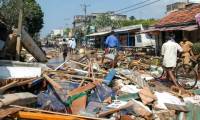 Underwater Sound Waves Can Help to Alert Tsunami Earlier3 minutes read
 Big Mistakes to Avoid When Ordering Food: Complete Guide7 minutes read
 Google Shares the Source Code of Tsunami, an Enterprise Vulnerability5 minutes read
 7 Mistakes on Social Networks to Avoid If You Want8 minutes read
Reader Comments 0
Sign in with email or Google to join the discussion.