Coin-sized magnetic robot - a breakthrough in intestinal cancer diagnosis
In a groundbreaking study published in the journal Science Robotics, scientists at the University of Leeds (UK) have successfully developed a microscopic magnetic robot that has the potential to revolutionize the screening process for gastrointestinal cancer.
In a groundbreaking study published in the journal Science Robotics, scientists at the University of Leeds (UK) have successfully developed a microscopic magnetic robot that has the potential to revolutionize the screening process for gastrointestinal cancer. This device, called OME (Oloid Magnetic Endoscope), promises to replace the traditional endoscopy method, which causes a lot of discomfort for patients.
The OME robot is only 20mm in diameter and is 3D printed from a special resin material. The biggest difference lies in its unique oloid geometry - a special geometry that allows the device to move flexibly and stably in complex environments such as the intestine. This structure was developed after hundreds of hours of fluid dynamics simulations to optimize mobility.
At the heart of OME is a 28MHz high-frequency ultrasound micro-array system, capable of providing images with a resolution of up to 50 micrometers - enough to detect precancerous lesions as small as a few hundred cells. The system operates at a scanning speed of 15 frames per second, allowing for detailed 3D reconstruction of the entire intestinal wall.
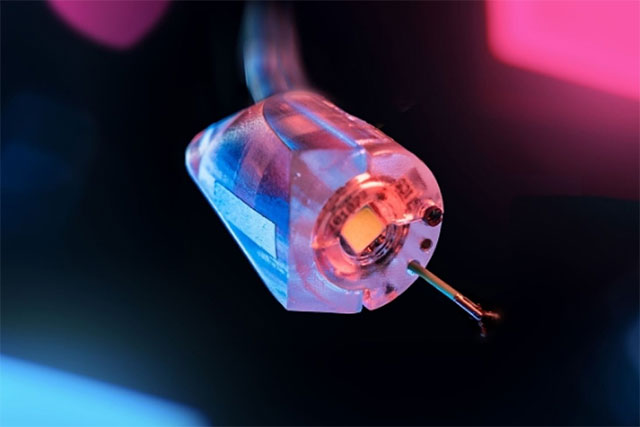
Professor Pietro Valdastri, head of the research team, explained: "OME works based on the principle of external magnetic field control. A permanent magnet system with an intensity of 0.5-1.2 Tesla will accurately navigate the robot's position in the digestive tract with an error of only ±0.1mm. The doctor can control it directly via the joystick or let the system operate automatically according to a preset program."
In preclinical trials, OME demonstrated impressive performance. When tested on a multilayered artificial intestinal model and 12 fresh porcine intestinal samples, the device achieved a sensitivity of 92.3% and a specificity of 94.1% in detecting precancerous lesions. Notably, the entire procedure took an average of 8.2 minutes, much faster than traditional endoscopy.
"In addition to being highly accurate, OME overcomes major limitations of conventional endoscopy," said lead author Dr Nikita Greenidge. " It has absolutely no risk of bowel perforation, reduces waiting time for results by up to 83%, and is estimated to cost only 40% of the current method ."
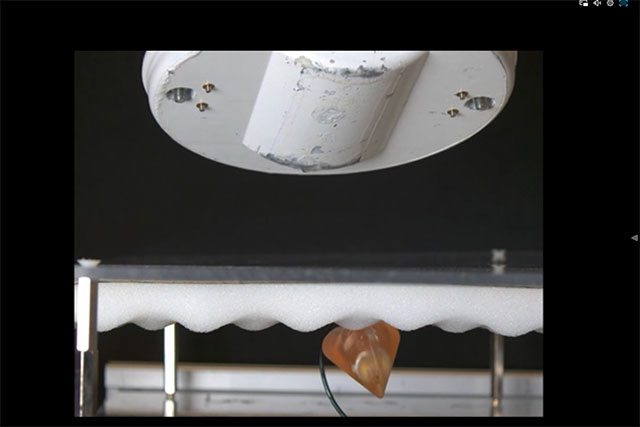
The team is actively preparing for phase 1 clinical trials, which are expected to begin in 2026. During this time, they will focus on optimizing the control system for complex intestinal tracts, improving the operation time (currently 45 minutes), and developing AI algorithms to support diagnosis.
This research was funded by the UK Medical Research Council (MRC) and the European Society of Oncology, opening up the prospect of application not only in colorectal cancer screening but also for many other gastrointestinal diseases. With the ability to detect cancer at an extremely early stage, OME promises to become a powerful tool in the global fight against cancer.
Was this article helpful?
Your feedback helps us improve.
Related Articles
 Bowel bacteria help anti-cancer immunotherapy work better3 minutes read
 7 symptoms of early cancer are often neglected by 90% of people6 minutes read
 The Irak-M protein change intervention helps prevent the development of intestinal inflammation and colon cancer2 minutes read
 Microrobots controlled by metal patches can deliver drugs and clean up pollution3 minutes read
 Diagnosis of cancer through a drop of blood3 minutes read
 AI-based software can diagnose prostate cancer3 minutes read
Reader Comments 0
Sign in with email or Google to join the discussion.